10% off for life with subscription + Free Shipping 


10% off for life with subscription + Free Shipping


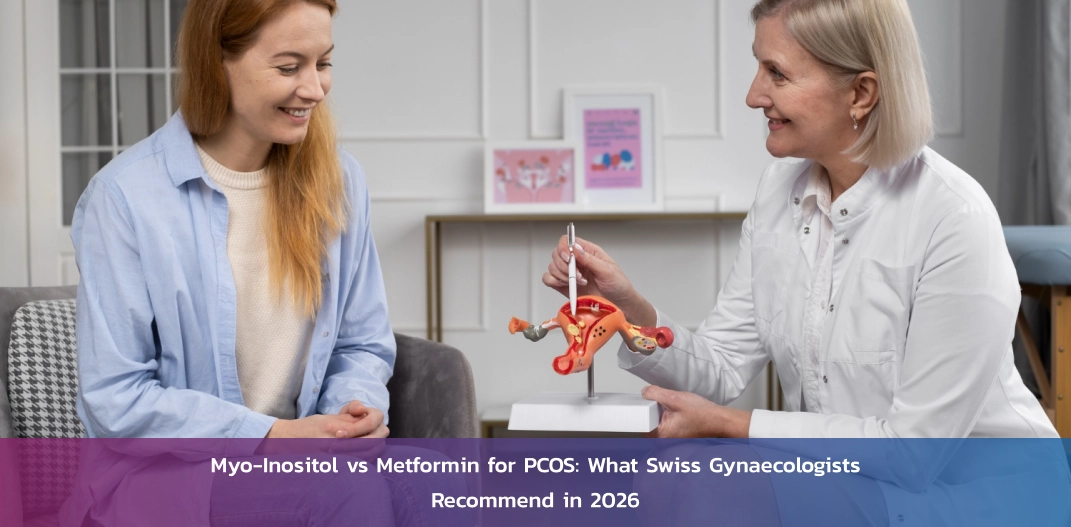
Sofia, 31, from Lausanne, was diagnosed with PCOS two years ago. Her periods were unpredictable, her insulin levels were creeping up, and her gynaecologist laid out two paths forward: start Metformin, or try Myo Inositol first.
Like thousands of Swiss women, Sofia found herself Googling myo inositol vs metformin for pcos at midnight, unsure which route was right for her body, her budget, and her dream of a family.
If that is you right now, take a breath, you are not choosing blindly.
As a Swiss Vegan Fertility Leader, Plusbaby hears this question from real women every single week, so we sat down and mapped out exactly what the science says, what it feels like day to day, and what specialists are actually telling patients in Swiss clinics in 2026.
The short version: Myo Inositol tends to suit lean or normal weight women with mild insulin resistance who are trying to conceive naturally. At the same time, Metformin is usually reserved for more pronounced insulin resistance or a higher BMI.
Increasingly, Swiss gynaecologists and PCOS specialists are moving away from one drug fits all and personalising the choice to each woman’s cycle, metabolism, and fertility timeline.
Think of PCOS as your hormones and your blood sugar getting stuck in an argument neither one is winning. Polycystic Ovary Syndrome affects roughly 1 in 10 women of reproductive age, and it is driven by a mix of hormonal imbalance and insulin resistance that together disrupt ovulation, raise androgen levels, and make conception feel like an uphill climb.
No two women experience it quite the same way, which is exactly why effective PCOS insulin resistance treatment has to be personal, not generic.
Not sure where to start your PCOS journey?
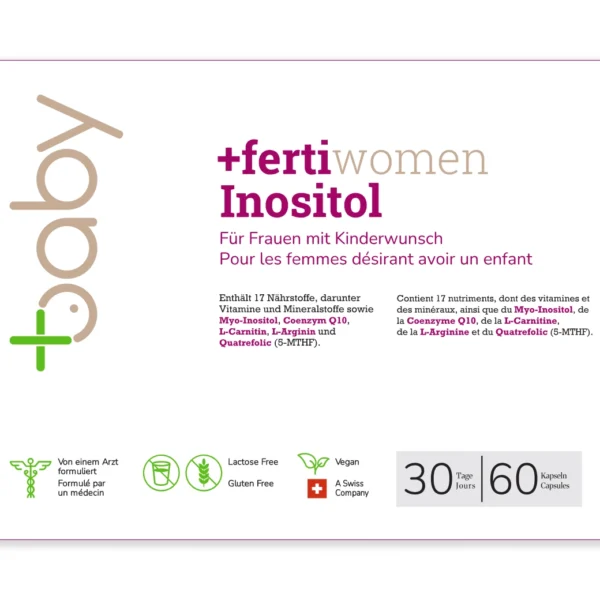
Support your cycle naturally with Plusbaby’s +fertiwomen Inositol, Swiss doctor formulated for PCOS ovulation support, because balancing your hormones should not feel like guesswork. Many Swiss women with PCOS choose the Women’s Fertility Pack for coordinated daily support.
Myo inositol is a naturally occurring compound found in citrus fruits and beans that acts as a gentle insulin sensitiser. Inside your ovaries, it also works as a messenger that helps FSH (the hormone behind egg development) do its job properly.
As a supplement, myo inositol for PCOS has become popular precisely because it supports insulin sensitivity, egg quality, and ovulation, usually without the digestive drama that comes with some medications.
Want to understand why Myo Inositol has become one of the most recommended supplements for women with PCOS? Explore the Top 5 Myo Inositol Benefits and discover how it supports ovulation, insulin sensitivity, egg quality, and overall hormonal wellness.
Metformin is a prescription medication originally developed to manage type 2 diabetes. Metformin for PCOS works by telling the liver to release less glucose and by improving how your body responds to insulin, which in turn can help regulate ovulation and cycles. It is effective and well studied, but it can come with a rockier adjustment period for some women.
| Factor | Myo Inositol | Metformin |
| Mechanism | Natural insulin sensitiser, supports FSH signalling | Reduces glucose output from the liver |
| Access in Switzerland | Available over the counter | Prescription only |
| Ovulation/cycle support | Effective, gradual improvement | Effective, sometimes faster onset |
| Weight impact | Neutral | Modest weight reduction reported |
| Side effects | Minimal, occasional mild GI upset | Nausea, diarrhoea, B12 depletion risk |
| Time to see results | 8 to 12 weeks | 8 to 12 weeks |
| Cost (CHF) | Roughly 50 per month | Often covered if prescribed via LaMal |
So this myo inositol metformin comparison really comes down to this: both tackle the same root problem, insulin resistance, but from different angles and with very different day to day experiences. That is usually what tips the decision in the consultation room.
Here is what has changed in the last few years: in 2026, most Swiss gynaecologists’ PCOS consultations start with a proper metabolic and fertility assessment, not a reflex prescription.
For women with mild insulin resistance who are actively trying to conceive, I often recommend myo inositol as a first step because of its excellent tolerability, explains Dr. A. Fischer Stoca, FMH Specialist in Obstetrics and Gynaecology.
Metformin still holds its ground as first line treatment when insulin resistance is more severe, or when prediabetes is in the picture, and under Swiss insurance (LaMal), it is reimbursed once medically prescribed, while inositol supplements are typically self funded.
If you are lean or normal weight with mild to moderate insulin resistance, actively trying to conceive, and you would rather take the gentler road first, myo inositol is worth exploring.
It is a common starting point for women weighing PCOS supplements vs metformin who want fewer side effects without sacrificing results.
If you are new to this supplement, learn what Myo Inositol actually is and how it works inside the body to improve insulin signalling, hormone balance, and ovarian function.
If your insulin resistance is more significant, your BMI is higher, or there is overlapping prediabetes or type 2 diabetes risk, metformin is usually the more appropriate first step, especially if pregnancy is not the immediate goal.
We did not just take our doctors’ word for it, here is what the research actually shows.
| Side Effect | Myo Inositol | Metformin |
| Nausea/GI upset | Rare, mild | Common, especially in the first weeks |
| Vitamin B12 depletion | No | Possible with long term use |
| Diarrhoea | Rare | Frequent initially |
| Suitable long term | Yes | Yes, with monitoring |
Still comparing brands? See our review of the best Myo Inositol supplements for women’s hormonal balance and ovulation in Switzerland to choose a clinically formulated product with confidence.
Anna, 29, Zurich:
I started on metformin, but the nausea was constant, almost like permanent morning sickness. My gynaecologist suggested switching to myo inositol, and within three months my cycles were more regular with none of the stomach issues.
Marie, 33, Geneva:
Metformin genuinely helped my insulin numbers, but I struggled with the side effects for months. Adding myo inositol alongside it, under my doctor’s guidance, gave me much better hormonal balance PCOS treatment results without giving up the metabolic benefits I had already gained.
Not every bottle on the shelf is created equal, and this is where label reading matters. Look for a clinically studied inositol dose, third party purity testing, and manufacturing under Swiss GMP and ISO standards.
This is exactly why Plusbaby formulated +fertiwomen Inositol with Swiss doctors, combining research backed dosing with a clean, vegan formula built for the real PCOS fertility treatment Switzerland needs.
As Switzerland’s trusted vegan fertility brand, every Plusbaby formula is reviewed by an FMH gynaecologist obstetrician before it ever reaches your kitchen table, so you are never guessing what you are putting in your body.
Not all supplements are manufactured to the same standard. Read our guide on where to buy Myo Inositol for PCOS in Switzerland and learn what quality certifications and ingredients to look for before purchasing.
Question: Can myo inositol replace metformin for PCOS?
Answer: For many women with mild insulin resistance, yes, myo inositol can work as a well tolerated first line option. That said, PCOS looks different for everyone, so this decision should always be made together with your gynaecologist, who can factor in your bloodwork, weight, and fertility timeline.
Question: How long does myo inositol take to regulate cycles?
Answer: Most women notice changes within 8 to 12 weeks of consistent daily use, though some see improvements in ovulation regularity a little sooner. Sticking with it daily, rather than skipping doses, tends to make the biggest difference in how quickly your cycle settles.
Question: Is myo inositol as effective as metformin for fertility?
Answer: Clinical trials show comparable improvements in ovulation and cycle regularity between the two, with myo inositol generally causing fewer side effects. For more severe insulin resistance, metformin or a combination approach may still offer an edge.
Question: Is myo inositol safe to take during pregnancy?
Answer: Myo inositol is generally considered safe and is even used in some pregnancy support protocols, but every pregnancy is different. Always check with your gynaecologist before continuing or starting any supplement once you conceive.
Ready to support your cycle naturally?
Join hundreds of Swiss women restoring hormonal balance and PCOS treatment the natural way with Plusbaby’s +fertiwomen Inositol, formulated by Swiss doctors, vegan, and backed by science. Many Swiss women with PCOS choose the Women’s Fertility Pack for coordinated daily support.
Disclaimer:
Plusbaby resources are intended to provide general information and are not a substitute for professional medical advice, diagnosis, or treatment.