NEW FORMULAS + EXCLUSIVE LAUNCH OFFER: Buy 3 products → GET 1 FREE + FREE shipping!

NEW FORMULAS + EXCLUSIVE LAUNCH OFFER: Buy 3 products → GET 1 FREE + FREE shipping!


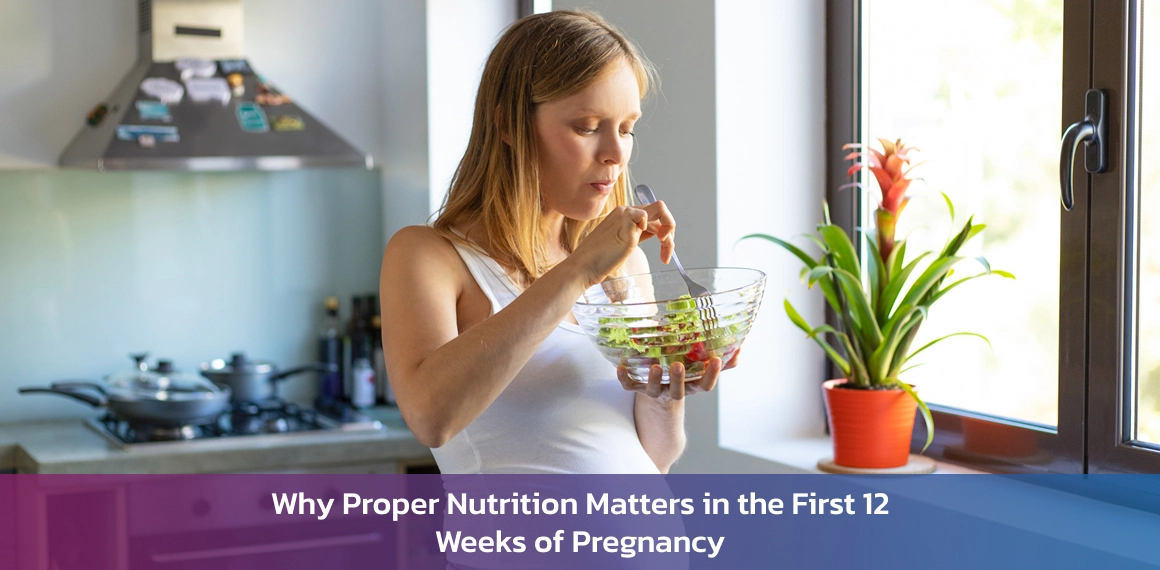
The first 12 weeks of pregnancy are often the most silent and the most powerful. Before many women even announce their news, tiny cells are rapidly dividing, forming the brain, spine, and heart. Medical research shows that during this period, known as organogenesis, the fetus is particularly vulnerable to nutritional deficiencies, which can affect long-term health outcomes for both mother and child. I have seen how surprising it is for expecting mothers to realize how much happens so early.
According to the World Health Organization, proper maternal nutrition in early pregnancy significantly supports healthy fetal development. That is exactly why nutrition matters in the first trimester: the right first 12 weeks of pregnancy diet focuses on quality nutrients, not just extra calories, to optimize blood volume expansion, hormone balance, and placental formation.
Many women I work with also prepare even before conception by supporting their bodies with a trusted fertility supplement for women, such as Plusbaby, to help strengthen nutrient stores during this crucial stage.
In this guide, I’ll share what truly matters in these early weeks so you can nourish yourself with clarity and confidence.
For a deeper understanding of symptoms and early milestones, read our Complete First Trimester Guide.
Table of Contents
ToggleIn my experience working with expecting mothers, I have seen how much the body changes in the first few weeks. Hormones surge, blood volume increases by about 30 to 50 percent to support the fetus, and the placenta begins forming to facilitate nutrient and oxygen transfer. Medical studies, including those from the American College of Obstetricians and Gynecologists, emphasize that adequate nutrition during this period helps prevent complications like gestational anemia, which affects up to 40 percent of pregnant women globally, and supports placental efficiency.
This is where the first trimester nutrition importance becomes clear. Your body is building the foundation for your baby while trying to stay strong itself. That is exactly why nutrition matters in the first trimester: the nutrients you consume directly affect your strength, immunity, and recovery through mechanisms like enhanced red blood cell production and hormonal stabilization. A balanced first 12 weeks pregnancy diet supports stable energy, healthy circulation, and smoother transitions into later stages of pregnancy.
| Body change
(weeks 1–12) |
What’s happening | Nutritional support needed | Why it matters |
| Increased blood volume | Blood production rises to supply oxygen and nutrients | Iron + protein | Prevents anemia and fatigue, as iron deficiency can lead to low energy in up to 50 percent of first-trimester cases |
| Hormonal surge | Causes nausea and exhaustion due to rising hCG and progesterone | Small meals + B6 | Supports energy balance and reduces morning sickness severity, affecting 70 to 80 percent of pregnancies |
| Placenta formation | The nutrient transfer system develops to nourish the fetus | Folate + protein | Supports healthy development and placental function, reducing risks of complications like preeclampsia |
| Bone & mineral shifts | Calcium is redirected to the baby for skeletal formation | Calcium + vitamin D | Protects maternal bone strength, as pregnancy can deplete up to 3 to 5 percent of bone mass if not supported |
Proper nutrition in early pregnancy is not just about growth: it is about helping the mother feel stronger, steadier, and supported from the very beginning. Research shows that targeted nutrients can reduce common symptoms like fatigue and nausea by stabilizing blood sugar and hormone levels, leading to better maternal well-being and lower risks of deficiencies.
Understanding fetal development week by week can help you align your nutrition with each stage of growth.
Understanding what truly matters nutritionally in early pregnancy can feel overwhelming. During pregnancy nutrition week 1 to 12, certain nutrients play a direct role in organ formation, blood production, and maternal strength. Medical guidelines from organizations like the American College of Obstetricians and Gynecologists recommend focusing on these key elements to meet essential first-trimester nutrient requirements, as deficiencies can increase risks of complications such as neural tube defects or maternal anemia. Focusing on these helps without unnecessary confusion.
| Nutrient | Why it matters | Daily target (approx.) |
| Folic acid (folate) | Supports brain & spinal cord development | 400–600 mcg |
| Iron | Supports increased blood volume | 27 mg |
| Protein | Builds cells & tissues | 60–75 g (varies) |
| Calcium + Vitamin D | Supports early bone formation | 1,000 mg calcium + 600 IU Vit D |
Now let’s break these down in a practical way.
Folic acid (folate)
The importance of folic acid in the first trimester is one of the most researched topics in maternal health. Randomized controlled trials, including those published in the New England Journal of Medicine, show that adequate folate intake in the first trimester of pregnancy significantly lowers the risk of neural tube defects by up to 70 percent through its role in DNA synthesis and cell division.
For proper nutrition during the first trimester of neural tube development, women generally need 400 to 600 mcg daily. Leafy greens, lentils, citrus fruits, and fortified grains are strong dietary sources, often supported with prenatal supplementation to meet full requirements, especially since food alone may provide only 50 to 70 percent of needs due to absorption variability.
Iron
Iron becomes essential as blood volume begins increasing rapidly. Prioritizing protein and iron intake in the first trimester through lentils, spinach, lean meats, and legumes helps maintain healthy oxygen circulation and reduce fatigue.
Iron deficiency is common in early pregnancy, making regular monitoring and consistent intake especially important.
Protein
Protein supports tissue growth, cell formation, and placental development. Balanced protein-iron first-trimester combinations, such as eggs with greens or legumes with whole grains, help meet both protein and iron needs effectively.
Meeting overall first-trimester nutrient requirements includes ensuring adequate daily protein intake to support steady development.
Calcium and vitamin D
Bone and skeletal foundations begin forming early, with calcium mobilization from maternal stores if dietary intake is insufficient. Adequate calcium and vitamin D intake in the first trimester supports early bone development while protecting maternal bone health, as vitamin D facilitates calcium absorption and deficiency is linked to higher risks of preeclampsia.
Dairy products, fortified plant milks, leafy vegetables, and safe sunlight exposure contribute to meeting these important nutritional needs, with recommended levels helping prevent up to 5 percent bone density loss in mothers.
A balanced first trimester pregnancy food guide should feel simple, structured, and realistic. During these early weeks, your body is adapting to hormonal shifts, increased blood volume by up to 50 percent, and placental development, which requires about 300 additional calories daily for maternal and fetal needs according to dietary guidelines from the Institute of Medicine.
Instead of focusing on eating more, the goal is to choose nutrient-dense foods that support steady energy, reduce nausea triggers through stable blood sugar levels, and help you stay consistent with healthy habits, as studies show that consistent nutrient intake reduces risks of deficiencies like anemia.
The best foods in the first trimester are those rich in folate, iron, protein, calcium, and healthy fats. These nutrients support early organ formation, stabilize blood sugar levels, and help reduce fatigue, with clinical evidence indicating that diets high in these elements improve maternal hemoglobin levels and fetal neural development.
Including variety across meals ensures you are covering key nutrients without making your diet feel restrictive, as randomized trials demonstrate that diverse intake enhances absorption efficiency.
Focus on including:
Including variety across meals ensures you’re covering key nutrients without making your diet feel restrictive.
A simple and consistent first-trimester diet chart can reduce stress around meal planning and help maintain nutritional balance even on low-energy days.
Breakfast: Oatmeal with berries and nuts
Mid-morning snack: A banana or apple with almonds
Lunch: Lentil soup with whole-grain bread and a side salad
Evening snack: Greek yogurt or a boiled egg
Dinner: Grilled salmon (or tofu/paneer), quinoa, and steamed vegetables
This structure supports balanced macronutrients, improves iron intake, and keeps blood sugar steady throughout the day, aligning with guidelines recommending 45 to 65 percent of calories from carbohydrates for energy stability.
Following a mindful first 12 weeks pregnancy diet also means limiting foods that may increase infection risk or interfere with healthy development, as the Centers for Disease Control and Prevention reports that foodborne illnesses like listeriosis are 10 times more likely in pregnant women and can lead to miscarriage or fetal harm.
It’s best to avoid:
Small, informed choices during these early weeks create a safer and stronger nutritional foundation for the months ahead.
For a more structured meal breakdown, refer to our Healthy Pregnancy Diet Plan.
A structured routine makes early pregnancy nutrition feel less overwhelming and more manageable. Simple daily habits, when repeated consistently, help support your body during this crucial stage, with research from the Lancet indicating that consistent nutrient tracking in the first trimester improves adherence and reduces deficiency risks by up to 25 percent.
Here’s a simplified first-trimester diet chart strategy that works well in daily life:
To make it even clearer, here’s a quick action table you can follow:
Daily nutrition checklist (weeks 1–12)
| Daily habit | Why it helps | Practical example |
| Add protein to each meal | Supports tissue growth & energy stability | Eggs at breakfast, lentils at lunch |
| Include leafy greens | Supports folate intake | Spinach in omelets or smoothies |
| Choose whole grains | Maintains steady blood sugar | Brown rice instead of white rice |
| Hydrate regularly | Prevents fatigue & dizziness | 8–10 glasses of water daily |
| Eat small, frequent meals | Reduces nausea & acidity | Snack every 2–3 hours |
Tracking your pregnancy nutrition week 1 to 12 intake, even informally, helps maintain consistency. These small daily habits gradually build into powerful early pregnancy nutrition benefits, creating a strong nutritional foundation for the months ahead.
Diet should always come first, but in reality, food alone may not always meet all first trimester nutrient requirements, especially when it comes to folate and iron, as studies show that up to 50 percent of pregnant women experience deficiencies despite balanced eating due to increased demands and absorption challenges. In early pregnancy, nutrient demand rises quickly for processes like neural tube closure and blood expansion, and if stores were low before conception, it becomes even more important to fill those gaps, with research from the American College of Obstetricians and Gynecologists indicating that supplementation reduces risks of neural tube defects by 50 to 70 percent when started preconception or early.
That is why the importance of folic acid first trimester supplementation is strongly emphasized, with randomized trials confirming that 400 to 800 mcg daily prevents serious abnormalities in the fetal brain and spinal cord. Even with a well-planned first trimester pregnancy food guide, prenatal vitamins act as nutritional support to ensure consistency during this critical stage, particularly for nutrients like vitamin D and B12, where blood levels often decline without intervention.
When selecting a prenatal supplement, I recommend looking for:
For women seeking plant-based options, +mum Vegan Prenatal Vitamins by Plusbaby are formulated to align with early pregnancy nutritional needs. Choosing a trusted and transparent brand makes supplementation more reassuring during such an important phase.
My personal thought
I believe supplementation should not replace mindful eating; it should strengthen it. From what I’ve observed, women feel more confident when they combine a balanced food routine with a reliable prenatal supplement. Preparation is powerful, and building nutrient stores early creates a stronger foundation for pregnancy. Supplements are not shortcuts; they are safeguards.
— Magali Russell
Founder, Plusbaby
If you’re considering plant-based options, explore our guide on Best Vegan Prenatal Vitamins.
I truly believe the first 12 weeks of pregnancy quietly shape the entire journey ahead, as this period accounts for critical organogenesis where nutritional status influences epigenetic factors and long-term health, with cohort studies showing that optimal early intake correlates with reduced risks of preterm birth and developmental issues. During this stage, small and consistent nutrition choices can have a lasting impact on both maternal well-being and early fetal development, supported by evidence from the World Health Organization linking maternal micronutrient status to improved birth outcomes.
Focusing on balanced meals, meeting essential nutrient needs, and supporting your body with trusted prenatal options like Plusbaby when necessary can make this phase feel more confident and less overwhelming.
I believe preparation, awareness, and steady habits in these early weeks create a stronger, healthier foundation for both mother and baby.
Q1. What should you eat at 12 weeks pregnant?
Answer: Eat balanced meals with protein, whole grains, leafy greens, fruits, and dairy or fortified alternatives. Following a proper first 12 weeks pregnancy diet helps maintain steady energy and supports continued development.
Q2. What nutrients do you need in the first trimester of pregnancy?
Answer: Key nutrients include folic acid, iron, protein, calcium, vitamin D, and DHA. Meeting your first-trimester nutrient requirements supports brain, blood, and bone development.
Q3. What to avoid in the first 3 months of pregnancy?
Answer: Avoid unpasteurized dairy, raw or undercooked meats, high-mercury fish, alcohol, excessive caffeine, and highly processed foods to reduce risk during early pregnancy.
Q4. How do I know my pregnancy is healthy at 12 weeks?
Answer: Regular prenatal check-ups, a confirmed fetal heartbeat, normal blood tests, and ultrasound results are positive signs of a healthy pregnancy. Always consult your doctor for proper evaluation.
Q5. What are the benefits of folic acid in the first trimester?
Answer: Folic acid helps prevent neural tube defects like spina bifida by supporting DNA synthesis and cell division. Taking 400 to 600 mcg daily in the first trimester reduces risks by up to 70 percent, making it a key part of nutrition matters in the first trimester.
Q6. How can I manage nausea with my first trimester diet?
Answer: Eat small, frequent meals with bland foods like crackers, ginger tea, or bananas to stabilize blood sugar and reduce nausea triggers. Proper nutrition during the first trimester, focusing on hydration and B6-rich foods, helps manage symptoms affecting 70 to 80 percent of women.
Q7. Is it safe to take supplements in the first trimester?
Answer: Yes, prenatal supplements are safe and recommended when chosen with medical guidance, providing essential nutrients like iron and folate. Evidence shows they support early development without risks when doses follow guidelines, addressing gaps in the first 12 weeks of pregnancy diet.
Q8. What foods are high in iron for the first trimester?
Answer: Foods high in iron include lentils, spinach, lean meats, beans, and fortified cereals. Pairing them with vitamin C sources like citrus enhances absorption, helping meet the increased demand in the first trimester to prevent anemia.
Table of Contents
ToggleAcheter les produits de cet article

I am Magali Russell, the founder of Plusbaby. With over 15 years of experience in research and development, I created and led a preclinical research organisation that conducted rigorous scientific studies on numerous products.The moving stories of women and couples struggling with infertility left a lasting impression on me. This is how I found my calling in life: helping others become parents by offering them genuine support.
Convinced of the benefits of natural products, I created Plusbaby: vegan dietary supplements, developed in Switzerland, combining proven science and pure, premium, additive-free ingredients to boost fertility naturally.
Continue reading