NEW FORMULAS + EXCLUSIVE LAUNCH OFFER: Buy 3 products → GET 1 FREE + FREE shipping!

NEW FORMULAS + EXCLUSIVE LAUNCH OFFER: Buy 3 products → GET 1 FREE + FREE shipping!


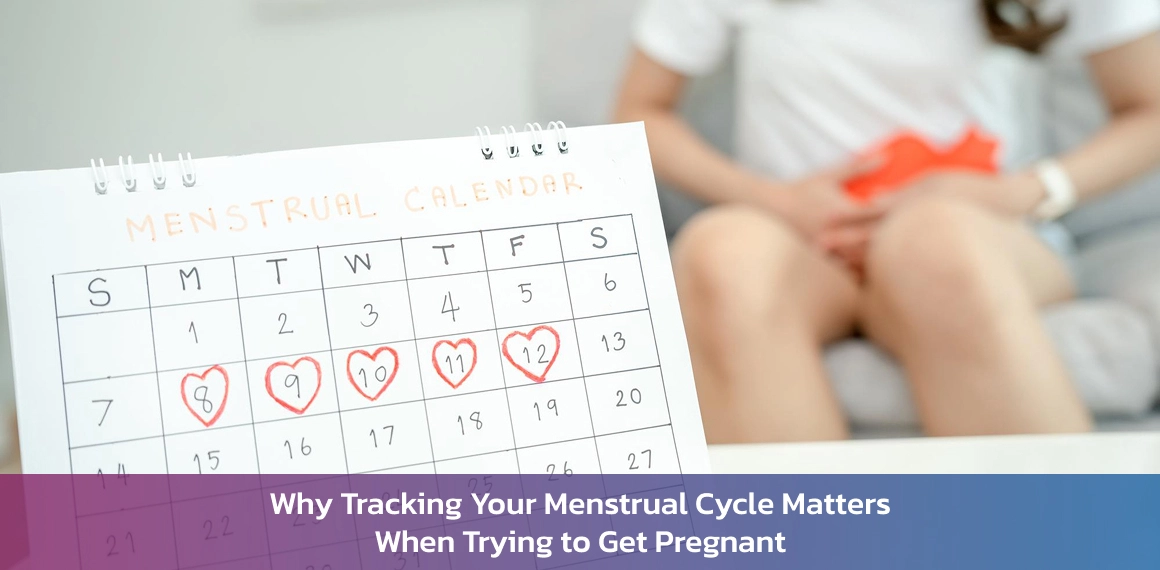
From my experience in research and development in women’s health, I have seen that many couples trying to conceive struggle not because of infertility, but because of timing. Pregnancy follows biology, not guesswork. Clinical studies, including those from the American Society for Reproductive Medicine, show that up to 80 percent of healthy couples conceive within a year when timing intercourse to the fertile window, highlighting the importance of accurate ovulation prediction.
When women begin consistent menstrual cycle tracking, they gain clarity about their fertile window and improve their ovulation tracking naturally. This simple shift turns uncertainty into confident pregnancy planning, as research indicates that fertility awareness methods can achieve pregnancy rates of 76 to 88 percent over 12 months when used correctly.
At Plusbaby, I always emphasize building strong cycle awareness first. Understanding your body, supporting healthy hormone balance, and protecting your reproductive health are the foundations of long-term natural fertility, supported by evidence that hormonal stability enhances ovulatory function and conception success.
This guide will help you understand how your cycle works, how to track ovulation correctly, and how to use that knowledge to improve your chances of conception.
As the founder of Plusbaby, I have seen that many women feel confused while trying to conceive simply because they do not fully understand their cycle. Most stress comes from mistimed efforts, not from infertility itself, with studies estimating that 30 percent of subfertility cases are due to incorrect timing of intercourse relative to ovulation.
Ovulation happens only once per month in a typical 28-day cycle, lasting 12 to 24 hours, and that short time defines your fertile window of about 5 to 6 days when sperm can survive in the reproductive tract. Missing it means waiting another cycle. That is why consistent menstrual cycle tracking is so important, as randomized trials demonstrate that women using cycle tracking methods conceive faster than those relying on chance.
Since cycle length varies from woman to woman, averaging 21 to 35 days, relying on fixed dates does not work. When your hormone balance is healthy, ovulation becomes more predictable, supporting your natural fertility through balanced estrogen and progesterone levels that regulate follicular development and luteal phase support. Building strong cycle awareness helps you move from guessing to confident pregnancy planning, reducing time to conception by identifying patterns in hormonal fluctuations.
When couples are trying to conceive, clarity matters more than guesswork. Consistent menstrual cycle tracking improves ovulation tracking, strengthens cycle awareness, and makes pregnancy planning more accurate, with studies showing that fertility awareness methods, including cycle tracking, can achieve cumulative pregnancy rates of 76 to 88 percent over 12 months in subfertile couples.
Randomized controlled trials demonstrate that using cycle tracking apps or methods to identify the fertile window can increase fecundability (the probability of conception per cycle) by 12 to 20 percent, and double the odds of pregnancy in the first cycle compared to no tracking.
This approach works by aligning intercourse with the biologically optimal days, reducing time to conception through evidence-based timing rather than chance.
Here are the key reasons it truly helps:
| Reason | How It Helps |
| Identifies your fertile window | Pinpoints the exact days when conception is most likely by detecting ovulation through hormonal surges, with big data analyses showing that personalized tracking increases conception likelihood by better aligning intercourse to the 5 to 6 day fertile period. |
| Improves timing | Focuses efforts during ovulation instead of random days, as clinical trials indicate tracking methods like apps or ovulation kits can boost pregnancy rates by 1.4 to 2 times over untracked cycles. |
| Supports hormone balance | Helps detect irregular patterns affecting fertility through monitoring cycle length and symptoms, enabling early intervention that studies link to improved hormonal regulation and ovulatory function. |
| Reduces stress | Removes uncertainty through structured tracking, with evidence suggesting that fertility awareness reduces anxiety and time to pregnancy by providing data-driven reassurance. |
| Strengthens natural fertility | Aligns with your body’s natural reproductive rhythm by promoting awareness of phases like follicular and luteal, supporting overall reproductive health as per epidemiological reviews on cycle tracking apps. |
Tracking signs like cervical mucus, monitoring basal body temperature, or using an ovulation predictor kit enhances your fertility awareness.
When you understand your body’s rhythm, you make smarter decisions that support long-term reproductive health and improve your chances naturally.
The menstrual cycle consists of four distinct phases driven by hormones such as follicle-stimulating hormone (FSH), luteinizing hormone (LH), estrogen, and progesterone, which coordinate egg maturation, release, and uterine preparation. These phases are interconnected, and disruptions in hormone balance can affect ovulation and fertility.
Your cycle follows four natural phases:
| Phase | What Happens | Why It Matters |
| Menstrual phase | Your period begins, and the uterine lining sheds through the vagina if pregnancy has not occurred, lasting 3 to 7 days on average. Hormones like estrogen and progesterone are at their lowest. | Marks Day 1 of menstrual cycle tracking and signals the start of a new cycle, allowing the uterus to prepare fresh lining for potential implantation. |
| Follicular phase | Overlapping with menstruation and lasting until ovulation (typically days 1 to 14), FSH stimulates follicle growth in the ovaries, and estrogen rises to thicken the uterine lining. An egg matures in one follicle. | Prepares your body for ovulation and supports hormone balance by maturing the egg and rebuilding the endometrium for embryo attachment. |
| Ovulation phase | Around day 14 in a 28-day cycle, a surge in LH triggers the release of the mature egg from the ovary into the fallopian tube, lasting 12 to 24 hours. | This is your key fertile window when conception is most likely, as the egg must be fertilized within this short time for pregnancy to occur. |
| Luteal phase | After ovulation (days 15 to 28), the ruptured follicle forms the corpus luteum, which produces progesterone to maintain the uterine lining. If no fertilization occurs, hormone levels drop, leading to menstruation. | Supports early pregnancy by stabilizing the endometrium for implantation; if pregnancy occurs, hCG sustains the corpus luteum. |
Understanding these phases prepares you for conception and also helps you recognize how pregnancy affects your menstrual cycle once implantation occurs.
Once you understand the phases, the next step is learning how to track them consistently. Good pregnancy planning is not complicated: it is about paying attention, with studies showing that accurate cycle tracking can increase conception rates by identifying the fertile window and reducing time to pregnancy by 20 to 30 percent in couples trying to conceive. This method relies on observing biological markers like hormone levels and physical signs, which are evidence-based indicators of reproductive status.
Step 1: Track your cycle length
Start counting from the first day of your period (day 1) to the day before your next period begins. Do this for at least 2 to 3 months to establish a baseline, as cycle lengths vary between 21 and 35 days on average, and tracking helps identify patterns or irregularities that may affect ovulation timing. Consistent menstrual cycle tracking helps you notice patterns instead of relying on guesswork, allowing for better prediction of ovulation through simple calendar methods supported by fertility research.
Step 2: Identify your fertile window
Your fertile window usually includes the five days before ovulation and the day of ovulation itself, based on sperm survival of up to 5 days in the female reproductive tract and the egg’s viability of 12 to 24 hours. Since sperm can survive up to five days, timing intercourse during this window greatly increases your chances when trying to conceive, with clinical data indicating peak fecundability of 30 to 35 percent per cycle when aligned properly.
Step 3: Recognize natural ovulation signs
Your body gives clear signals driven by hormonal changes: changes in cervical mucus (becoming clear, stretchy, and egg-white-like due to estrogen rise), a slight rise in basal body temperature (0.5 to 1 degree Fahrenheit post-ovulation from progesterone), and mild pelvic sensations in some women (known as mittelschmerz, affecting 20 to 40 percent). These signs strengthen fertility awareness and support smarter conception tips by providing physiological evidence of the ovulatory phase.
The goal is not perfection: it is consistency and growing cycle awareness month after month, as longitudinal studies show that ongoing tracking enhances accuracy over time and supports natural fertility optimization.
There are several reliable methods that improve ovulation tracking accuracy, backed by clinical studies showing effectiveness in identifying the fertile window and increasing conception rates. Combining methods often works best, as no single approach is 100 percent accurate due to individual variations in hormone levels and cycle length, with research indicating that multi-method tracking can achieve sensitivity of 90 to 97 percent for detecting ovulation.
These evidence-based techniques rely on physiological changes driven by hormones like estrogen and luteinizing hormone, providing objective data for better pregnancy planning.
Basal body temperature (BBT) monitoring
Your basal body temperature rises slightly after ovulation due to increased progesterone, typically by 0.3 to 0.6 degrees Celsius, creating a biphasic pattern on charts that confirms ovulation has occurred in about 70 to 80 percent of cycles when measured correctly. Measuring it every morning before getting out of bed, using a sensitive thermometer, helps confirm ovulation has occurred. Over time, this builds deeper menstrual cycle tracking accuracy, though it is retrospective and best combined with other signs for predicting future cycles.
Cervical mucus observation
Changes in cervical mucus are one of the most natural indicators of ovulation. As ovulation approaches, mucus becomes clear and stretchy like egg whites due to rising estrogen, facilitating sperm transport and survival, with studies showing this method has 48 to 76 percent sensitivity for detecting the fertile window when observed daily. Monitoring this sign strengthens your natural fertility understanding by providing a low-cost, hormone-free way to identify peak fertility days.
Ovulation predictor kits (OPKs)
An ovulation predictor kit detects the luteinizing hormone (LH) surge before ovulation. This tool is especially helpful for women with irregular cycles and supports more precise pregnancy planning.
Period tracking apps
A period tracking app allows you to log symptoms, cycle length, and ovulation days. While helpful, apps work best when combined with physical signs like basal body temperature and cervical mucus tracking.
Even with good intentions, small misunderstandings can delay results. When couples are trying to conceive, timing, consistency, and awareness matter more than most people realize. Here are some of the most common mistakes:
Assuming ovulation always happens on Day 14
Cycles vary from woman to woman. Ovulation does not always occur on Day 14. Relying on a fixed date without proper ovulation tracking can easily cause missed opportunities. Consistent menstrual cycle tracking gives you clarity instead of guesswork.
Only trying on the exact day of ovulation
Many couples wait for the ovulation day itself. But your fertile window begins several days before ovulation. Since sperm can survive up to five days, earlier timing significantly improves your chances.
Ignoring irregular cycles
Irregular cycles may indicate issues with hormone balance. Overlooking them can delay progress. Monitoring patterns strengthens reproductive health awareness and supports better pregnancy planning.
Overlooking lifestyle factors
Stress, poor sleep, nutritional gaps, and excessive exercise can disrupt hormones. Supporting overall wellness helps maintain natural fertility and improves cycle consistency.
Inconsistent tracking
Skipping basal body temperature checks or not observing cervical mucus regularly reduces accuracy. Consistent menstrual cycle tracking builds reliable patterns and strengthens fertility awareness over time.
If you experience irregular cycles, understanding can you get pregnant with irregular periods becomes especially important for better fertility timing.
When couples are trying to conceive, identifying the fertile window is important, but cycle quality matters just as much. Ovulation is hormone-driven, and small imbalances in nutrition can subtly affect hormone balance, ovulation timing, and overall reproductive health.
Certain nutrients directly support ovulatory function:
Nutritional support doesn’t replace menstrual cycle tracking or ovulation tracking; it strengthens the internal environment that supports natural fertility.
When cycle awareness, proper timing, and internal support work together, your conception approach becomes more balanced and biologically aligned.
Beyond tracking, it’s important to prepare your body for pregnancy naturally through lifestyle and nutritional support.
My personal note on supporting fertility
From my experience guiding women through pregnancy planning, I have seen that tracking works best when the body is also supported nutritionally, as studies show that nutrient deficiencies in key vitamins can disrupt hormonal signaling and ovulatory function in up to 30 percent of cases. I often encourage focusing on foundational nutrients such as folic acid (for DNA synthesis and cell division), vitamin D (to regulate calcium and support immune modulation in the reproductive system), iron (to prevent anemia and maintain oxygen delivery to ovaries), and omega-3 fatty acids (which reduce inflammation and enhance prostaglandin balance for better egg quality), along with a high-quality prenatal vitamin that provides at least 400 mcg of folic acid daily as recommended by the World Health Organization.
Proper nutritional support helps maintain healthy hormone balance through stable estrogen and progesterone levels, supports egg quality by protecting against oxidative stress as evidenced by randomized trials, and strengthens overall natural fertility.
–Magali Russell
Founder of Plusbaby
At Plusbaby, I have learned that conception is not about pressure: it is about preparation, as epidemiological data from fertility cohorts show that informed cycle management reduces time to pregnancy by an average of 3 to 6 months. When you truly understand your body through consistent menstrual cycle tracking and accurate ovulation tracking, your pregnancy planning becomes calmer, clearer, and more intentional, supported by evidence that fertility awareness methods enhance fecundability ratios in natural conception attempts.
Knowing your fertile window, strengthening cycle awareness, and supporting healthy hormone balance create a stronger foundation for natural fertility, with hormonal stability linked to improved implantation rates in observational studies. In my experience, combining smart timing with internal nutritional support makes the journey feel more balanced, as meta-analyses confirm that supplements addressing micronutrient gaps can boost ovarian response and cycle regularity.
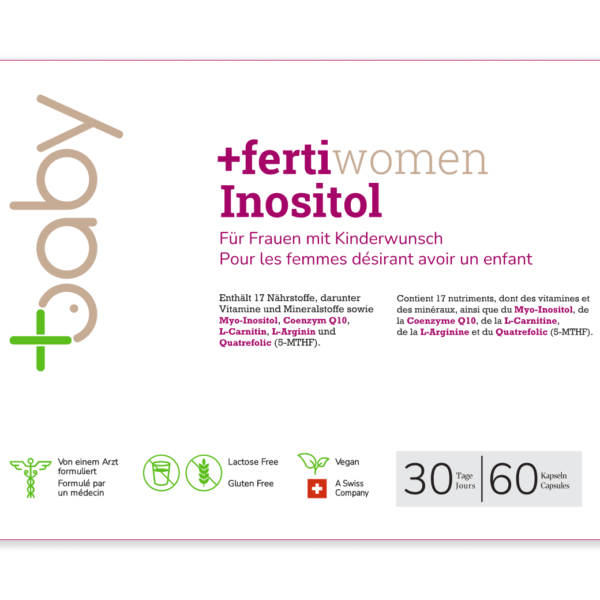
Alongside core nutrients, options like +fertiWomen Inositol for Female Fertility are often considered to support ovarian function and cycle regularity.
This journey is personal, and you don’t have to navigate it alone. If you have questions about vitamins, supplements, or fertility support, you can reach us anytime at info@plusbaby.ch. We’re here to support you with clarity, care, and confidence.
Q1. What should you eat at 12 weeks pregnant?
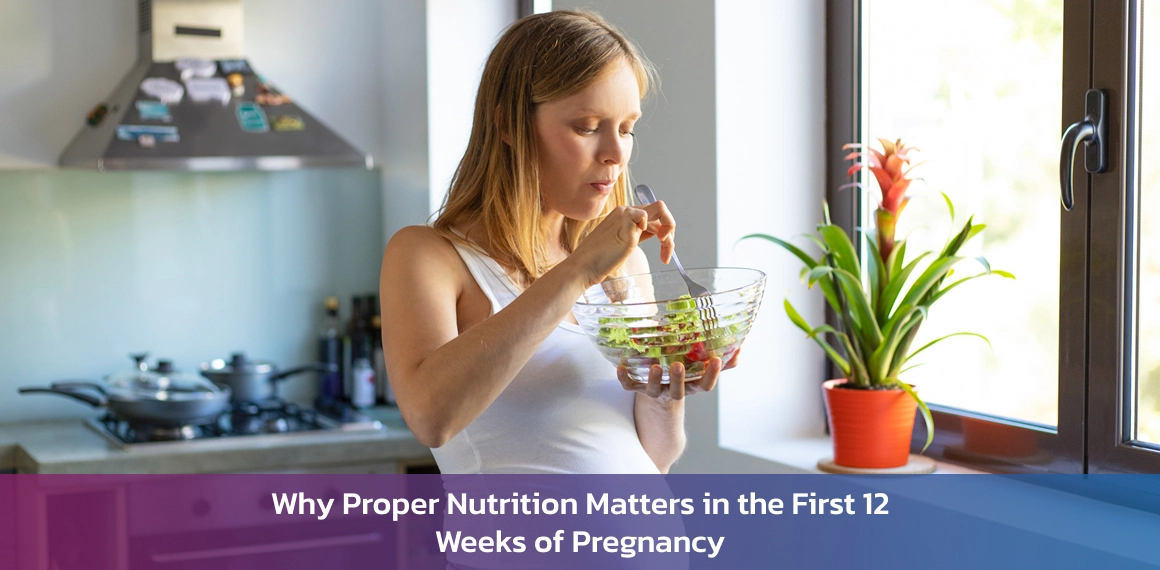
Answer: Eat balanced meals with protein, whole grains, leafy greens, fruits, and dairy or fortified alternatives. Following a proper first 12 weeks pregnancy diet helps maintain steady energy and supports continued development, as nutrient-dense foods provide essential vitamins like folate and iron needed for placental maturation.
Q2. What nutrients do you need in the first trimester of pregnancy?
Answer: Key nutrients include folic acid, iron, protein, calcium, vitamin D, and DHA. Meeting your first trimester nutrient requirements supports brain, blood, and bone development, with guidelines recommending specific intakes to prevent deficiencies that affect up to 25 percent of pregnancies.
Q3. What to avoid in the first 3 months of pregnancy?
Answer: Avoid unpasteurized dairy, raw or undercooked meats, high-mercury fish, alcohol, excessive caffeine, and highly processed foods to reduce risk during early pregnancy, as these can increase chances of infections like listeriosis, which is 10 times more common in pregnant women.
Q4. How do I know my pregnancy is healthy at 12 weeks?
Answer: Regular prenatal check-ups, a confirmed fetal heartbeat (detectable by ultrasound around week 6 to 8), normal blood tests for hormones and nutrients, and ultrasound results showing appropriate growth are positive signs of a healthy pregnancy. Always consult your doctor for proper evaluation, as these assessments confirm milestones like neural tube closure.
Q5. What are the benefits of folic acid in the first trimester?
Answer: Folic acid helps prevent neural tube defects like spina bifida by supporting DNA synthesis and cell division. Taking 400 to 600 mcg daily in the first trimester reduces risks by up to 70 percent, making it a key part of nutrition matters in the first trimester.
Q6. How can I manage nausea with my first trimester diet?
Answer: Eat small, frequent meals with bland foods like crackers, ginger tea, or bananas to stabilize blood sugar and reduce nausea triggers. Proper nutrition during the first trimester, focusing on hydration and B6-rich foods, helps manage symptoms affecting 70 to 80 percent of women.
Q7. Is it safe to take supplements in the first trimester?
Answer: Yes, prenatal supplements are safe and recommended when chosen with medical guidance, providing essential nutrients like iron and folate. Evidence shows they support early development without risks when doses follow guidelines, addressing gaps in the first 12 weeks of pregnancy diet.
Q8. What foods are high in iron for the first trimester?
Answer: Foods high in iron include lentils, spinach, lean meats, beans, and fortified cereals. Pairing them with vitamin C sources like citrus enhances absorption, helping meet the increased demand in the first trimester to prevent anemia.