10% off for life with subscription + Free Shipping 


10% off for life with subscription + Free Shipping


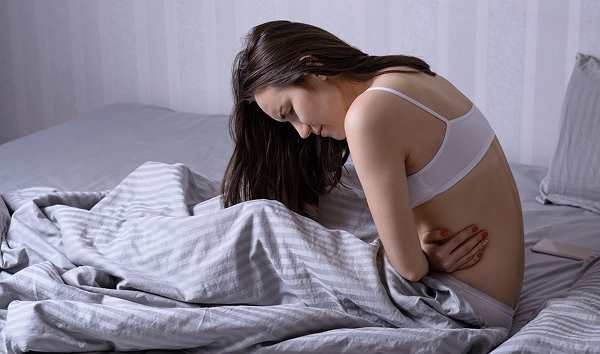
Delayed menstruation is a common concern among women of different age groups. A late or missed period may happen due to stress, hormonal imbalance, pregnancy, lifestyle changes, or underlying medical conditions. While occasional irregular periods are common, repeated menstrual cycle irregularity should not be ignored.
Understanding the possible late period causes can help women make informed decisions about reproductive health and overall well-being.
Delayed menstruation refers to a menstrual period that arrives later than expected based on a woman’s usual cycle. Most menstrual cycles range between 21 and 35 days, although slight variations can happen naturally.
A delayed period is not always a serious concern. Stress, travel, poor sleep, or temporary hormonal changes may affect ovulation and delay menstruation. However, repeated delays or missed cycles may require a period of delay checkup.
Many women experience delayed menstruation even with a negative pregnancy test. Although pregnancy is one of the most common reasons for a missed period, other factors may also affect the cycle.
Common late period causes include stress, hormonal imbalance, PCOS, thyroid disorders, sudden weight changes, excessive exercise, poor sleep, and nutritional deficiencies. In some cases, emotional stress alone may temporarily disrupt ovulation and lead to irregular periods.
Women experiencing repeated menstrual cycle irregularity should consider a delayed period consultation with a healthcare professional.
A slight delay in menstruation is often considered normal. For many women, a period may arrive 3 to 7 days later than expected because hormone levels naturally fluctuate.
Teenagers, women approaching menopause, and individuals with naturally irregular periods may experience more noticeable cycle changes. However, if periods stop for several months or delays happen frequently, medical evaluation may become necessary.
Yes. Stress is one of the most common causes of delayed menstruation. Emotional pressure, anxiety, poor sleep, work stress, and lifestyle changes can affect hormone regulation and interfere with ovulation.
When stress levels increase, the body produces more cortisol, which may temporarily disrupt reproductive hormones responsible for the menstrual cycle. For many women, cycles return to normal once stress levels improve.
A delayed period with a negative pregnancy test can happen for several reasons. Testing too early, irregular ovulation, hormonal imbalance, PCOS, or thyroid disorders may affect both menstrual timing and pregnancy test results.
If menstruation does not begin after several days, repeating the test or scheduling a delayed period consultation may help identify the underlying cause.
Several medical and lifestyle-related conditions may contribute to delayed menstruation and irregular periods.
Hormonal imbalance
Changes in estrogen, progesterone, insulin, or prolactin levels may interfere with ovulation and lead to menstrual cycle irregularity.
PCOS
PCOS commonly affects ovulation and may cause delayed periods, acne, weight changes, and fertility difficulties. Inositol is often recommended to help support hormone balance and ovulation in women with PCOS, as explained in PCOS & Inositol in Switzerland.
Thyroid disorders
Both underactive and overactive thyroid conditions can affect reproductive hormones and menstrual timing.
Amenorrhea
Amenorrhea refers to the absence of menstruation for several months. Amenorrhea treatment depends on identifying the underlying hormonal or reproductive health condition.
Lifestyle habits can strongly influence menstrual health. Poor sleep, excessive exercise, restrictive dieting, stress, travel, and sudden weight changes may all contribute to delayed menstruation.
Maintaining balanced nutrition, stress management, and healthy daily routines may help support regular menstrual cycles.
Women experiencing delayed menstruation may also notice symptoms such as abdominal cramps, bloating, fatigue, breast tenderness, acne, headaches, mood swings, or white discharge.
Persistent symptoms combined with repeated irregular periods should be discussed with a gynecologist for delayed period concerns.
Occasional cycle changes are common, but repeated menstrual cycle irregularity should not be ignored. Women should consider visiting a women’s health clinic or period delay doctor if:
A gynecologist for delayed period concerns may recommend hormone testing, ultrasound evaluation, or thyroid screening.
Nutrition plays an important role in reproductive wellness and hormone balance. Nutrients such as folate, iron, magnesium, vitamin D, omega-3 fatty acids, and inositol are commonly associated with menstrual and hormonal health.
Healthy eating habits, hydration, quality sleep, and stress management may help support regular cycles and overall well-being.
Question: Why is my period late, but I have cramps?
Answer: Hormonal changes, stress, delayed ovulation, or early pregnancy may sometimes cause cramps before menstruation begins.
Question: Can stress delay menstruation for weeks?
Answer: Yes. High stress levels may affect hormone regulation and delay periods for several days or weeks in some women.
Question: Is delayed menstruation always related to pregnancy?
Answer: No. Stress, hormonal imbalance, PCOS, thyroid disorders, and lifestyle changes can also contribute to delayed periods.
Question: What is the difference between delayed menstruation and amenorrhea?
Answer: Delayed menstruation refers to a late period, while amenorrhea means menstruation stops completely for several months.
Question: Can irregular periods affect fertility?
Answer: Yes. Irregular ovulation and hormonal imbalance may affect fertility and reduce the chances of conception.
Delayed menstruation can happen occasionally due to temporary hormonal or lifestyle changes. However, repeated irregular periods or ongoing menstrual cycle irregularity should not be ignored, especially when associated with fertility concerns or hormonal symptoms.
Seeking timely medical guidance from a women’s health clinic or period delay doctor may help identify the underlying cause and support better reproductive health.
Disclaimer: This page is intended for educational purposes only and does not replace professional medical advice, diagnosis, or treatment. Always consult a qualified healthcare professional regarding menstrual or reproductive health concerns.
Accédez gratuitement à des livres électroniques mensuels sur la fertilité, la grossesse, les cycles menstruels et les véritables défis liés à la santé des femmes, ainsi qu’à des routines quotidiennes de bien-être, des conseils avisés et des astuces d’experts conçues pour les femmes modernes à chaque étape de leur vie.