10% off for life with subscription + Free Shipping 


10% off for life with subscription + Free Shipping


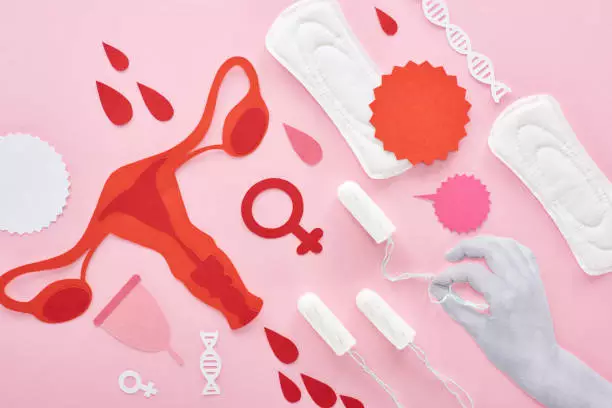
The menstrual cycle is a natural monthly process that prepares the female body for pregnancy. Hormonal changes throughout the month influence menstruation, ovulation, mood, energy levels, and overall menstrual health.
A normal menstrual cycle may vary from woman to woman. Factors such as stress, sleep, lifestyle, nutrition, exercise, and hormonal balance can all affect menstrual cycle length and regularity.
The menstrual cycle refers to the natural hormonal and physical changes that occur in the female reproductive system every month. The cycle begins on the first day of menstruation and ends when the next period starts.
During the cycle, the body prepares for a possible pregnancy by releasing an egg and building the uterine lining. If pregnancy does not occur, the lining sheds through menstruation.
The menstrual cycle is closely connected with ovulation, fertility, reproductive health, and hormone regulation.
A normal menstrual cycle is usually between 21 to 35 days. However, menstrual cycle length can naturally differ between individuals and may slightly change from month to month.
Some women have very regular period cycles, while others may notice small variations in timing. Menstrual health can also change during puberty, after pregnancy, during breastfeeding, and near menopause.
Cycle length, bleeding patterns, and menstrual cycle symptoms may all vary depending on hormonal changes and overall health.
The menstrual cycle changes throughout the month because of hormonal fluctuations in the body. These changes influence ovulation, menstruation, mood, energy levels, body temperature, and emotional well-being.
During the first part of the cycle, hormones help prepare and mature an egg inside the ovary. Around the middle of the menstrual cycle, ovulation occurs when the ovary releases the egg.
After ovulation, the body prepares the uterus for a possible pregnancy. If fertilization does not happen, hormone levels decrease, and menstruation begins again.
Understanding ovulation and menstrual cycle timing may help women better understand fertility windows and monthly body patterns.
Menstruation
↓
Follicle development
↓
Ovulation
↓
Uterus preparation for pregnancy
↓
Hormone levels decrease
↓
Next period cycle begins
Several menstrual cycle hormones work together to regulate the cycle naturally.
Estrogen
Estrogen helps develop and thicken the uterine lining while supporting egg development during the early stages of the menstrual cycle. Changes in estrogen levels may also affect mood, skin, and energy levels.
Progesterone
Progesterone increases after ovulation and helps prepare the uterus for pregnancy. Falling progesterone levels before menstruation may contribute to common menstrual cycle symptoms such as bloating or mood changes.
Follicle-stimulating hormone (FSH)
FSH stimulates the ovaries to mature eggs during the menstrual cycle. Healthy FSH function plays an important role in ovulation and fertility.
Luteinizing hormone (LH)
LH triggers ovulation during the middle of the cycle. A sudden rise in LH levels signals the ovary to release an egg.
Balanced hormone levels are important for maintaining a healthy and normal menstrual cycle.
Menstrual cycle symptoms can vary depending on hormonal changes, lifestyle habits, stress levels, and the stage of the cycle. Some women experience mild symptoms, while others notice greater physical or emotional changes.
Abdominal cramps
Many women experience cramping during menstruation because the uterus contracts to shed its lining. Cramp intensity may vary from mild discomfort to severe pain.
Bloating
Hormonal fluctuations during the period cycle can cause temporary water retention, making the stomach feel swollen or heavy before or during menstruation.
Mood changes
Changes in menstrual cycle hormones may affect emotional well-being. Some women notice irritability, emotional sensitivity, anxiety, or mood swings before periods.
Fatigue and low energy
Feeling tired or lacking energy is common during certain menstrual cycle phases, especially during menstruation or before periods begin.
Breast tenderness
Hormonal changes may cause the breasts to feel swollen, sensitive, or tender before menstruation.
Headaches
Some women experience headaches or migraines related to hormonal fluctuations during the menstrual cycle.
Acne and skin changes
Hormonal shifts may increase oil production in the skin, which can sometimes lead to acne breakouts before periods.
Food cravings
Cravings for sweets, salty foods, or carbohydrates are common menstrual cycle symptoms for many women.
Menstrual cycle length may naturally vary from month to month. However, several factors may influence menstrual health and cycle regularity.
Stress and emotional health
High stress levels may affect hormonal balance and interfere with ovulation, sometimes leading to delayed or missed periods.
Sudden weight changes
Rapid weight gain or weight loss may impact reproductive hormones and affect menstrual cycle patterns.
Excessive exercise
Very intense exercise or overtraining may sometimes affect hormone production and contribute to an irregular menstrual cycle.
Sleep and daily routine
Poor sleep quality or irregular routines may influence hormone regulation and menstrual cycle consistency.
Hormonal conditions
Conditions such as thyroid disorders or polycystic ovary syndrome (PCOS) may affect ovulation and menstrual cycle length.
Puberty and perimenopause
Irregular periods are more common during puberty and the years leading up to menopause because hormone levels naturally fluctuate during these life stages.
An irregular menstrual cycle means periods may occur earlier, later, or unpredictably from month to month.
Some women may experience:
Occasional irregularity can happen because of stress, travel, hormonal fluctuations, or lifestyle changes. However, repeated irregular patterns should be evaluated by a healthcare professional.
Ovulation is the stage when the ovary releases an egg for possible fertilization. It is one of the most important parts of the menstrual cycle.
Understanding ovulation and menstrual cycle timing may help women recognize fertile days and hormonal changes throughout the month.
Some women notice ovulation-related signs such as:
Ovulation timing may vary depending on menstrual cycle length and hormone balance.
Daily habits and overall wellness may influence menstrual health, hormone balance, and reproductive well-being.
Balanced nutrition
Eating a healthy diet rich in vitamins, minerals, iron, and healthy fats may help support hormonal balance and menstrual wellness.
Regular physical activity
Moderate exercise may improve circulation, reduce stress, and help manage common menstrual cycle symptoms such as bloating or cramps.
Stress management
Managing stress through relaxation techniques, meditation, yoga, or proper rest may support emotional wellness and hormone balance.
Good sleep quality
Sleep plays an important role in hormone regulation. Poor sleep patterns may sometimes affect menstrual cycle regularity.
Proper hydration
Drinking enough water may help reduce bloating and support overall body function during the period cycle.
How long is a normal menstrual cycle?
A normal menstrual cycle commonly ranges between 21 to 35 days, although slight monthly variations may occur naturally.
Can stress delay a period cycle?
Yes. Stress may influence menstrual cycle hormones and can sometimes delay ovulation or menstruation.
What is the best way to track the menstrual cycle?
Many women use a menstrual cycle chart, calendar, or mobile app to track periods, symptoms, ovulation, and menstrual cycle length.
Is it normal for menstrual cycle symptoms to change over time?
Yes. Menstrual cycle symptoms may naturally change with age, hormonal fluctuations, pregnancy, breastfeeding, lifestyle changes, and stress levels.
Can exercise affect the menstrual cycle?
Very intense exercise or sudden physical changes may sometimes affect hormone balance and contribute to an irregular menstrual cycle.
When does ovulation usually happen?
Ovulation commonly occurs around the middle of the menstrual cycle, although timing may vary depending on cycle length and hormonal balance.