The role of vitamins in women’s fertility
The role of vitamins in male fertility is crucial, because nutrition is not just about general health; it also has a significant influence on male fertility. Specific vitamins, including vitamin B9 (folic acid), vitamin B12 and vitamin D, can greatly improve the chances of conception and reproductive health. This article explores how these vitamins impact male fertility, detailing their respective functions and benefits.
Vitamin b9: a key factor in female fertility
The role of vitamin b9 in reproduction
Vitamin B9, often called folic acid, is essential for women’s fertility. This vitamin plays a key role in cell development and DNA formation, which is fundamental to embryonic growth.
Benefits of folic acid before conception
It is recommended that women of childbearing age consume around 400 micrograms of folic acid per day. Folic acid deficiency can lead to birth defects and compromise fertility. Taking supplements or eating foods rich in folic acid, such as green leafy vegetables, can increase the chances of conception.
Foods rich in vitamin b9
- Spinach
- Broccoli
- Asparagus
- Avocados
- Black beans
- The role of vitamin b12 in maternity
Functions of vitamin b12
Vitamin B12 is necessary for the production of red blood cells and the maintenance of the central nervous system. Its influence on female fertility should not be overlooked, as it also contributes to cell metabolism.
Effects on fertility
Vitamin B12 deficiency can lead to ovulation problems, which reduces the chances of conception. Vegan and vegetarian women are particularly at risk of deficiency and should consider supplements or fortified foods.
Food sources of vitamin b12
- Red meat
- Fish
- Eggs
- Dairy products
- Fortified cereals
Vitamin d: an ally for pregnancy
Importance of vitamin d for reproductive health
Vitamin D promotes the absorption of calcium and phosphorus, two minerals necessary for healthy bones and muscles. It also influences the menstrual cycle and embryo implantation, making vitamin D supplements beneficial for women trying to conceive.
Impact on fertility
Insufficient levels of vitamin D can disrupt the ovarian cycle and hinder embryo implantation. Regular exposure to sunlight and consumption of vitamin D-rich foods such as oily fish and fortified dairy products can help maintain good levels of this vitamin.
How to obtain sufficient vitamin D
- Expose yourself to the sun for 15-30 minutes every day
- Eat foods such as salmon, tuna and fortified dairy products
- Take supplements if necessary, especially during the winter months.
Iron: An essential mineral for women’s fertility and pregnancy
Importance of iron for reproductive health
Iron is essential for the production of haemoglobin, a protein in red blood cells that carries oxygen throughout the body. Iron deficiency can lead to anaemia, which can affect reproductive health by affecting the menstrual cycle and reducing the energy needed for a healthy pregnancy.
Impact on fertility
Insufficient iron levels can cause menstrual irregularities and less frequent ovulation, reducing the chances of conception. Eating iron-rich foods, such as red meats, legumes and green leafy vegetables, can help maintain adequate levels of this essential mineral.
How to get enough iron
- Eat iron-rich foods such as spinach, lentils and red meats.
- Take iron supplements if necessary, especially if you have heavy periods
- Combine iron-rich foods with sources of vitamin C to improve absorption
Selenium: an ally for fertility in men and women
Importance of selenium for reproductive health
Selenium is an essential trace element that plays a crucial role in protection against oxidative stress and the proper functioning of the immune system. It is also involved in the synthesis of thyroid hormones, which are essential for optimal fertility.
Impact on fertility
A selenium deficiency can affect the quality of eggs and sperm, reducing the chances of conception. Selenium also helps to protect DNA and prevent chromosomal abnormalities, thereby increasing the chances of a healthy pregnancy.
How to get enough selenium
- Eat selenium-rich foods such as Brazil nuts, fish and seafood.
- Take selenium supplements if necessary, particularly for people with a diet low in seafood
- Maintain a varied balanced diet to ensure adequate selenium intake
Magnesium: support during pregnancy
Importance of magnesium for reproductive health
Magnesium is an essential mineral that plays a key role in over 300 biochemical reactions in the body, including hormone regulation and cellular energy production. It is crucial for DNA and RNA synthesis, as well as tissue repair, making it vital for female fertility.
Impact on fertility
A magnesium deficiency can disrupt hormonal balance, affecting menstrual cycles and egg quality. In addition, magnesium helps to reduce the symptoms of premenstrual syndrome (PMS) and regulate menstrual cycles, thereby increasing the chances of conception.
How to get enough magnesium
- Eat foods rich in magnesium, such as green leafy vegetables, nuts, seeds, wholegrain cereals and oily fish.
- Take magnesium supplements if necessary, especially for people with diagnosed deficiencies or an inadequate diet.
- Maintain a varied balanced diet to ensure adequate magnesium intake.
Zinc: a booster for women’s fertility
Importance of zinc for reproductive health
Zinc is an essential trace element involved in cell division, protein synthesis and immune function. It plays a crucial role in egg maturation and the regulation of reproductive hormones such as oestrogen and progesterone, which is fundamental to optimal fertility.
Impact on women’s fertility
Zinc deficiency can lead to irregular menstrual cycles and poor egg quality, reducing the chances of conception. In addition, zinc is important for sperm health, making it a key element in couples’ fertility.
How to get enough zinc
- Eat zinc-rich foods, such as meat, seafood (especially oysters), pulses, seeds and nuts.
- Take zinc supplements if necessary, particularly for people with a zinc-poor diet or diagnosed deficiencies.
- Maintain a balanced and varied diet to ensure adequate zinc intake.
Arginine: support for women’s fertility
The importance of arginine for reproductive health
Arginine is an essential amino acid that plays a key role in blood circulation by producing nitric oxide, a compound that helps relax blood vessels and improve blood flow. It is also involved in protein synthesis, which is crucial for cell repair and growth.
Impact on women’s fertility
Arginine can improve blood flow to the reproductive organs, thereby increasing the quality of the eggs and endometrium, which can favour embryo implantation. It can also improve ovarian function and response to ovarian stimulation in women undergoing fertility treatment.
How to get enough arginine
- Eat foods rich in arginine, such as red meat, poultry, fish, nuts and seeds.
- Take arginine supplements if recommended by a health professional, especially for women with circulation problems or difficulties conceiving.
- Eat a balanced and varied diet to maximise the benefits of this amino acid.
Coenzyme Q10: a fertility booster for women and men
Importance of Coenzyme Q10 for reproductive health
Coenzyme Q10 (CoQ10) is a powerful antioxidant that plays a crucial role in energy production at cellular level. It helps protect cells against oxidative stress, which is particularly important for reproductive cells, which are very sensitive to oxidative damage.
Impact on fertility
CoQ10 can improve the quality of eggs and sperm, increasing the chances of conception. It is particularly beneficial for women over the age of 35, as CoQ10 levels decrease with age, which can affect oocyte quality. By improving mitochondrial function, CoQ10 contributes to better cellular energy, which is essential for optimal fertility.
How to get enough Coenzyme Q10
- Eat foods rich in CoQ10, such as oily fish, organ meats (such as liver) and wholemeal cereals
- Take CoQ10 supplements if necessary, particularly for women over 35 or those with fertility problems
- Combine a healthy and varied diet to support CoQ10 intake and maximise its beneficial effects.
Vitamin C: a support for fertility
Importance of vitamin C for reproductive health
Vitamin C is a powerful antioxidant that helps protect cells against oxidative damage. It is essential for the proper functioning of the immune system and plays a role in the synthesis of collagen, which is important for the health of tissues, including those of the reproductive system.
Impact on fertility
Vitamin C can improve egg quality by reducing oxidative damage and supporting the health of reproductive cells. It is also known to improve the absorption of iron, a mineral that is crucial for fertility.
How to get enough vitamin C
- Eat citrus fruits such as oranges, lemons and grapefruit
- Include vegetables such as peppers, broccoli and spinach in your diet
- Take vitamin C supplements if necessary, especially if your diet is insufficient in fruit and vegetables
Vitamin E: an antioxidant essential for fertility
Importance of vitamin E for reproductive health
Vitamin E is another important antioxidant that protects cells from oxidative damage. It plays a role in the health of the skin and mucous membranes, including those of the reproductive system.
Impact on fertility
Vitamin E improves the quality of eggs and sperm by protecting them from free radicals. It can also improve blood circulation, which is beneficial for reproductive health.
How to get enough vitamin E
- Eat foods rich in vitamin E, such as nuts, seeds and vegetable oils (sunflower oil, olive oil).
- Include leafy green vegetables such as spinach and broccoli in your diet
- Take vitamin E supplements if necessary, in consultation with a health professional
Omega-3: essential fatty acids for fertility
Importance of omega-3 for reproductive health
Omega-3 fatty acids are essential for cell health and the proper functioning of the nervous system. They play a crucial role in reducing inflammation and maintaining hormonal balance.
Impact on fertility
Omega-3s can improve egg quality and support embryo implantation. They are also beneficial for the health of the developing foetus, particularly for brain and eye development.
How to get enough omega-3
- Eat oily fish such as salmon, mackerel and sardines
- Include plant sources such as flaxseed, chia seeds and walnuts
- Take fish oil or linseed oil supplements if necessary, especially if your diet is low in omega-3s.
Conclusion: The importance of vitamins and nutrients for female fertility
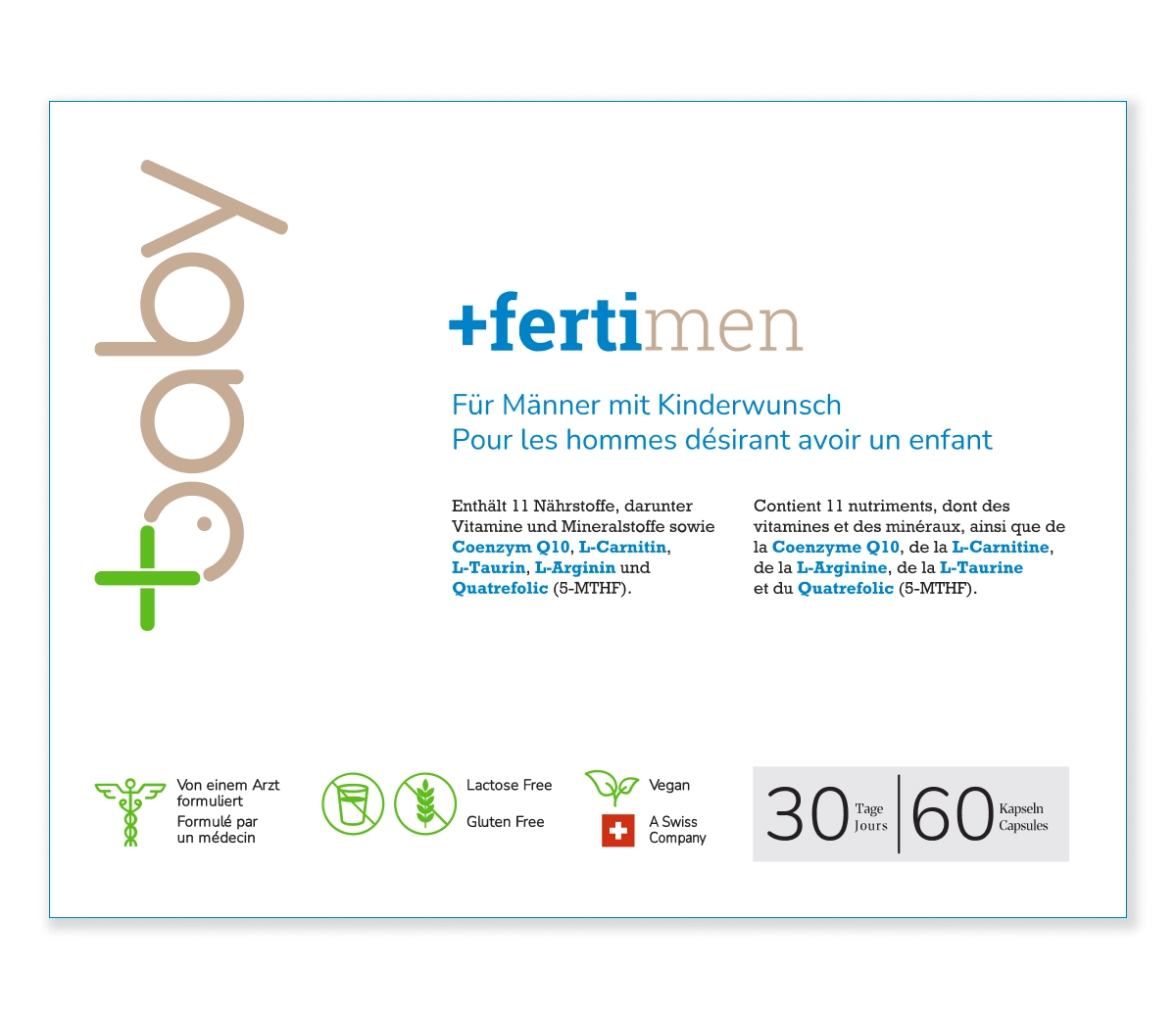
Female fertility is a complex process influenced by many factors, including nutrition. Vitamins and nutrients such as vitamin D, iron, selenium, arginine, coenzyme Q10, vitamin B9 (folic acid), vitamin B12, vitamin C, vitamin E and omega-3 play essential roles in reproductive health.
Vitamin D helps regulate the menstrual cycle and promotes embryo implantation. Iron is crucial for haemoglobin production and the prevention of anaemia, ensuring a regular menstrual cycle and healthy ovulation. Selenium protects cells against oxidative stress and supports the synthesis of thyroid hormones, essential for fertility. Arginine improves blood circulation to the reproductive organs, enhancing egg quality and embryo implantation. Finally, Coenzyme Q10 acts as a powerful antioxidant, protecting reproductive cells and improving their quality, particularly in women over 35.
Vitamin B9, also known as folic acid, is another essential vitamin for female fertility. It plays a crucial role in DNA formation and cell division, which is particularly important in early pregnancy for the development of the foetus. Adequate folic acid intake before and during pregnancy can reduce the risk of neural tube birth defects in the baby.
Vitamin B12 is essential for nerve health and red blood cell production. A vitamin B12 deficiency can lead to menstrual irregularities and ovulation problems, thus affecting fertility. It is also involved in DNA synthesis, which is crucial for embryonic development.
Vitamin C is a powerful antioxidant that helps protect cells against oxidative damage and supports a healthy immune system. It also improves iron absorption, which is beneficial for fertility. Vitamin E, another important antioxidant, protects reproductive cells and improves egg and sperm quality.
Omega-3s are essential fatty acids that play a crucial role in reducing inflammation and maintaining hormonal balance. They can improve egg quality and support embryo implantation, as well as benefiting foetal development, particularly the brain and eyes.
By integrating these vitamins and nutrients through a balanced diet, adequate sun exposure and supplements if necessary, women can optimise their reproductive health and increase their chances of conceiving. Foods rich in these vitamins include oily fish, meat, fortified dairy products, green leafy vegetables, nuts, seeds, pulses and wholegrain cereals. A well-balanced, personalised nutritional approach is therefore essential to support fertility and promote a healthy pregnancy.