10% off for life with subscription + Free Shipping 


10% off for life with subscription + Free Shipping



At 41, Sophie from Lausanne found herself asking a question many women quietly wonder about:
“Have I waited too long?” It’s one of the most common questions women ask when trying to conceive after 40.
The reality is that fertility after 40 changes, but many women still achieve a healthy pregnancy after 40 with the right preparation and support.
Understanding your fertility, improving your nutrition, and taking proactive steps early can make a meaningful difference.
As Switzerland’s Swiss Vegan Fertility Leader, Plusbaby supports women with evidence-based fertility education and nutritional solutions.
Whether you’re looking for guidance on how to get pregnant after 40, exploring preconception care after 40, or simply wanting to better understand women over 40’s fertility, this guide will help you navigate the journey with greater confidence.
When it comes to fertility after 40, women often hear two extremes: “It’s too late” or “Age is just a number.” The truth lies somewhere in between.
Many women successfully achieve pregnancy after 40, but fertility naturally changes with age. Understanding those changes early can help you make smarter decisions, avoid unnecessary delays, and focus on what truly matters.
The biggest changes involve egg quantity, egg quality, and hormone levels. These factors can influence how quickly you conceive and how your body responds to fertility support.
| Fertility factor | What changes after 40? |
| Egg quantity | Ovarian reserve gradually declines |
| Egg quality | Higher chance of chromosomal abnormalities |
| Ovulation | May become less predictable |
| Conception rate | Can take longer to achieve pregnancy |
Because egg quality becomes one of the most important fertility factors after 40, it may also be helpful to read our guide on egg quality support for women over 35 and the nutrients commonly recommended during fertility planning.
Myth: It’s impossible to get pregnant naturally after 40.
Fact: Many women conceive naturally in their early 40s. The chance per cycle decreases, but with timing, testing, and lifestyle optimisation, natural conception remains possible for many.
Myth: IVF guarantees a baby after 40.
Fact: IVF success rates decline with age, too, particularly with one’s own eggs. However, with donor eggs or PGT-A (preimplantation genetic testing), success rates improve significantly.
Myth: There’s nothing you can do to improve your egg quality.
Fact: Research consistently shows that targeted supplementation, reduced oxidative stress, healthy weight, and avoiding alcohol and smoking all support egg quality.
Think of fertility preparation like training for an important goal; you don’t start on the final day.
The earlier you understand your fertility health, the more opportunities you have to take action through:
When trying to conceive after 40, preparation isn’t about perfection; it’s about giving yourself the strongest possible foundation for the journey ahead.
The reality of fertility after 40 is not that pregnancy becomes impossible; it often requires more planning, patience, and support than it did in earlier years.
Longer time to conceive
While healthy couples in their early 30s may have a 20–25% chance of conception per cycle, that figure may decline to around 5–10% after 40. As a result, trying to conceive after 40 often takes longer than expected.
Unpredictable ovulation cycles
Hormonal changes can affect ovulation timing, making it harder to identify fertile days and maximize your chances of conception each month.
Reduced the monthly pregnancy chances
Changes in egg quantity and quality mean that every cycle may offer fewer opportunities for successful conception, making preparation and timing increasingly important.
Increased need for fertility support
Many fertility specialists recommend that women over 40 seek professional guidance after 3–6 months of trying. Early testing can help determine whether additional support or fertility treatment after 40 may be beneficial.
Emotional and relationship pressure
The emotional side of the journey is often underestimated. The uncertainty, waiting, and expectations can affect both partners, making communication and mutual support just as important as medical care.
When it comes to trying to conceive after 40, fertility experts recommend focusing on the factors you can understand, improve, and monitor rather than age alone.
One of the most valuable fertility tips for women over 40 is understanding your fertility health before spending months trying without answers.
Common assessments include:
These tests can help create a clearer fertility roadmap and guide future decisions.
Proper preconception care after 40 includes building nutritional reserves before conception.
Fertility specialists commonly recommend focusing on:
Good nutrition supports overall reproductive health and pregnancy preparation.
If you’re unsure which nutrients deserve the most attention before conception, our guide on essential vitamins and minerals for fertility explains the key nutrients Swiss women should focus on before pregnancy.
Even with a healthy diet, nutritional gaps can occur.
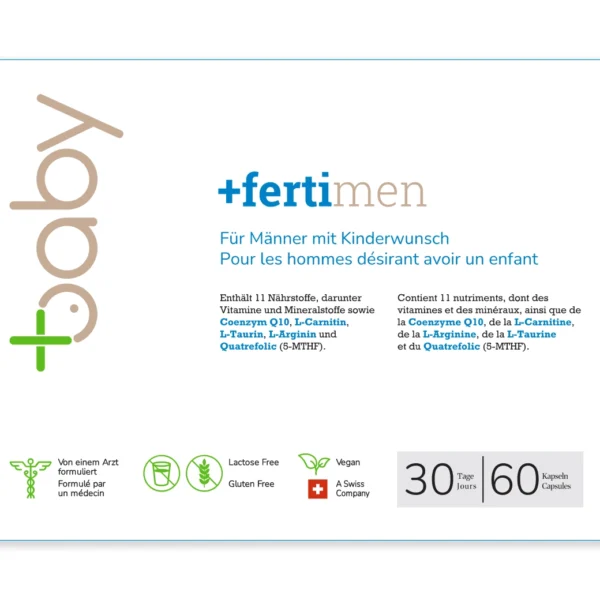
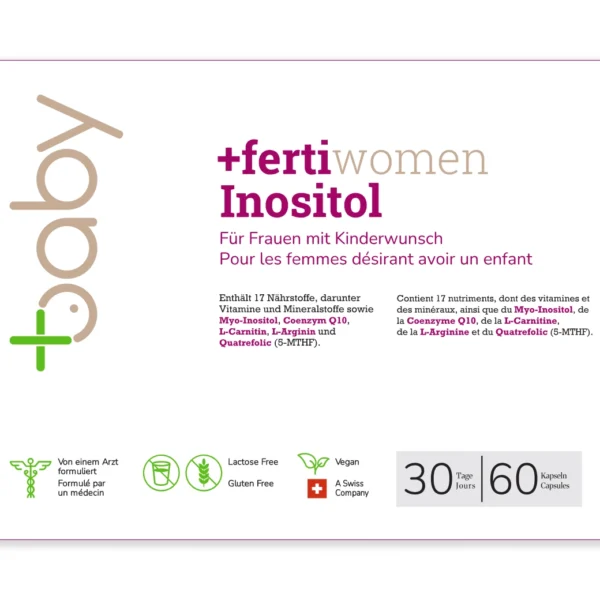
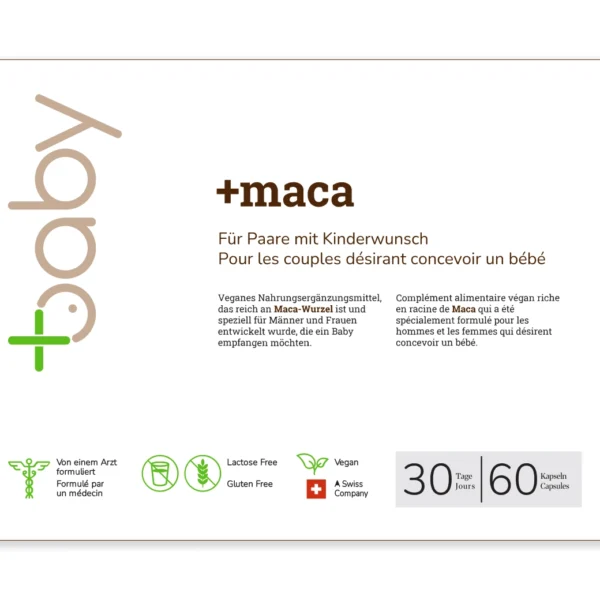
As Switzerland’s Swiss Vegan Fertility Leader, Plusbaby offers Plusfertiwomen to support women preparing for pregnancy, while Plusfertimen provides fertility-focused nutritional support for men. Plusmaca may also help support overall vitality and reproductive wellness.
Important: Always consult your doctor, fertility specialist, or healthcare professional before taking any supplement, especially when trying to conceive or undergoing fertility treatment.
Small daily habits can make a meaningful difference.
Focus on:
Male factors contribute to approximately 40–50% of fertility challenges, making fertility a shared journey.
Both partners should consider fertility assessments, healthy lifestyle changes, and professional guidance when planning for pregnancy. Along with medical evaluation, some couples choose fertility-focused nutritional support, such as Plusfertimen, as part of their preconception plan.
Many fertility experts recommend that women over 40 seek professional advice after 3–6 months of trying rather than waiting a full year.
Early guidance can help identify challenges, discuss treatment options, and determine whether additional support, such as IUI or IVF after 40, may be appropriate.
Support your fertility journey
Small steps today can make a difference tomorrow. Support your fertility goals with Plusfertiwomen, Plusfertimen, and Plusmaca from Switzerland’s Swiss Vegan Fertility Leader
Shop the fertility collection today →
When trying to conceive after 40, having a structured plan can help you focus on the actions that matter most. Rather than trying everything at once, take one step at a time and build a strong fertility foundation.
| Timeline | Your focus | Key actions |
| Month 1 | Understand your fertility health | Book a fertility consultation, complete AMH and hormone testing, review thyroid and vitamin D levels, and consider starting Plusfertiwomen to support your preconception nutrition. |
| Month 2 | Build a fertility-friendly lifestyle | Improve sleep, prioritise nutrient-rich foods, increase physical activity, reduce stress, and begin tracking your menstrual cycle and ovulation patterns. |
| Month 3 | Optimise your fertility efforts | Monitor ovulation more closely, review progress with your healthcare provider, and consider Plusmaca as part of your fertility wellness routine if appropriate. |
| Month 4+ | Evaluate your next steps | Review fertility results, assess male fertility factors, consider Plusfertimen for male fertility support if recommended, and discuss IUI or IVF after 40 with your specialist if needed. |
How to track ovulation accurately after 40
Ovulation may become less predictable with age, making accurate tracking more important.
Consider using:
Using multiple tracking methods often provides a clearer picture than relying on calendar dates alone.
If you’re new to ovulation tracking, understanding how a positive ovulation test helps you get pregnant faster can help you identify your most fertile days more accurately.
Building your support team
Fertility is rarely a journey you need to navigate alone. Your support team may include:
Having the right people around you can provide both medical guidance and emotional support throughout the process.
Knowing when to move to the next step
One of the biggest mistakes women make when trying to conceive after 40 is waiting too long before seeking additional help.
Consider speaking with a fertility specialist if:
Moving to the next step doesn’t mean you’ve failed. It simply means you’re using the information available to make the best decision for your fertility journey.
If you’ve been trying for several months without success, our guide on what to do if you are not getting pregnant after several months of trying explains the next practical steps and when to seek additional support.
Review From Sophie, Lausanne (Age 41)
“I started trying at 41 and felt overwhelmed by everything I was reading online. Once I completed fertility testing and focused on improving my nutrition, I felt more confident and in control. Having a structured plan made a huge difference.
Review From Isabelle, Zurich (Age 43)
“My partner and I initially thought fertility was only my responsibility. After both of us completed testing and improved our lifestyle habits together, the process became far less stressful and much more positive.”
Trying to conceive after 40 can feel overwhelming, but age is only one part of the fertility picture. Understanding your fertility health, making positive lifestyle changes, and taking action early can help you approach the journey with greater confidence.
At Plusbaby, Switzerland’s Swiss Vegan Fertility Leader, we believe that every woman deserves trusted information and quality nutritional support while planning for pregnancy.
Whether you’re focusing on preconception care after 40, improving your fertility foundation, or exploring your next steps, small actions today can make a meaningful difference.
Ready to take the next step?
Explore Plusfertiwomen, Plusfertimen, Plusmaca, and Plusmum to support your fertility and pregnancy journey.
Shop the Plusbaby collection today →
Question: Can I still get pregnant naturally after 40?
Answer: Yes. Many women successfully achieve pregnancy after 40 naturally. However, fertility declines with age due to changes in egg quantity and quality, which may mean conception takes longer than it did in earlier years.
Question: How long should I try before seeing a fertility specialist?
Answer: Most fertility experts recommend that women trying to conceive after 40 seek professional guidance after 3–6 months of trying rather than waiting a full year. Early assessment can help identify potential challenges and treatment options sooner.
Question: What fertility tests are recommended after 40?
Answer: Common fertility assessments include AMH testing, FSH and hormone testing, thyroid screening, vitamin D assessment, and a pelvic ultrasound. These tests help evaluate ovarian reserve, hormone balance, and overall reproductive health.
Question: What supplements should I consider when trying to conceive after 40?
Answer: Many women focus on nutrients such as folate, iron, zinc, selenium, vitamin D, and antioxidants during preconception care after 40. Products like Plusfertiwomen and Plusmaca may help support fertility-focused nutrition. Always consult your healthcare professional before starting any supplement.
Question: Should my partner also be involved in fertility planning?
Answer: Absolutely. Male factors contribute to approximately 40–50% of fertility challenges. Fertility assessments, healthy lifestyle habits, and appropriate nutritional support such as Plusfertimen can help ensure both partners are actively supporting the conception journey.
Important: This guide is for general information only and is not a replacement for personalised medical advice. Always speak with a qualified healthcare professional before beginning any supplement routine.