NEW FORMULAS + EXCLUSIVE LAUNCH OFFER: Buy 3 products → GET 1 FREE + FREE shipping!

NEW FORMULAS + EXCLUSIVE LAUNCH OFFER: Buy 3 products → GET 1 FREE + FREE shipping!


Pregnancy rarely makes big announcements. It starts quietly, with a missed period, a strange wave of tiredness, or a feeling that something has changed. From there, everything unfolds week by week. Your body adapts, your emotions shift, and inside you, a tiny life grows in ways you cannot yet see.
At Plusbaby, my team and I listen to women who simply want clarity and reassurance during this time. Following pregnancy week by week allows you to connect baby development week by week with your own body’s signals, whether it is early symptoms, growing energy, or moments of doubt.
This guide shares pregnancy week by week what to expect so you can move through each stage feeling informed, supported, and quietly confident, one week closer to meeting your baby.
Pregnancy is calculated from the first day of the last menstrual period (LMP) and lasts about 40 weeks, or 280 days, on average. This timeline is divided into three trimesters, each marking important stages in pregnancy week-by-week fetal development, body changes, and medical care. According to the American College of Obstetricians and Gynecologists, this dating method accounts for the two weeks before conception, providing a standardized way to track progress and due dates.
Following a structured pregnancy week-by-week guide helps parents understand growth patterns, symptoms, and key milestones while preparing for each stage ahead. Trimester-wise pregnancy timeline
Trimester-wise pregnancy timeline
| Trimester | Weeks | Key Focus |
| First Trimester | Weeks 1–12 | Organ formation, implantation, early pregnancy week by week milestones |
| Second Trimester | Weeks 13–27 | Rapid growth, movement, and visible baby development week by week |
| Third Trimester | Weeks 28–40 | Weight gain, positioning, and preparation for birth |
Ultrasound & Monitoring
Doctors use pregnancy week-by-week ultrasound scans to confirm due dates, monitor pregnancy week by week fetal size, and assess overall fetal health at different stages.
For women planning pregnancy in Europe, especially locally, understanding women’s fertility in Switzerland and essential vitamins before conception can help optimize health well before pregnancy begins.
The 40 weeks of pregnancy are divided into three trimesters, each with distinct physiological changes for both mother and fetus. According to obstetric guidelines from the American College of Obstetricians and Gynecologists, the first trimester focuses on embryonic development, the second on fetal growth and organ maturation, and the third on preparation for birth. Monitoring pregnancy week by week helps identify normal variations and potential concerns early, supporting better maternal and fetal health outcomes through timely interventions and lifestyle adjustments.
The first trimester is the most critical phase of pregnancy, during which major organogenesis occurs and the risk of miscarriage is highest, affecting about 10 to 20 percent of known pregnancies. During these early weeks, the body adjusts to rising hormones like human chorionic gonadotropin (hCG) and progesterone while the baby’s foundational systems begin forming. Although the pregnancy may not yet be visible, intense internal changes are underway that shape pregnancy week by week fetal development and long-term health.
Understanding pregnancy week by week, what to expect during this stage, helps parents manage symptoms, make informed lifestyle choices, and prioritize early prenatal care.
Weeks 1–4: Conception and Implantation
What’s happening in your body
Ovulation and fertilization occur, followed by implantation of the fertilized egg into the uterine lining. Hormones such as progesterone and hCG start increasing to support the pregnancy. Some women notice light spotting, mild cramping, or heightened fatigue, while others feel no symptoms at all.These changes are driven by rapid cellular division and hormonal shifts that prepare the uterus for embryo attachment.
Early fetal development milestones
Rapid cell division begins, forming the earliest structures of the brain and spinal cord. Even at this microscopic stage, this period sets the foundation for pregnancy week by week fetal development and future growth. By week 4, the embryo is about the size of a poppy seed, with the neural plate forming, which will develop into the central nervous system.
Important tips for the first weeks of pregnancy
Weeks 5–8: Early Embryo Development
Brain, heart, and spinal cord formation
This is one of the most important phases of baby development week by week. The neural tube forms, the heart begins beating, and early limb buds appear. Facial features slowly start developing as organ systems take shape. By week 6, the heart rate is detectable via ultrasound, averaging 100 to 160 beats per minute, and major organs like the liver and kidneys begin to function.
Common body changes and early pregnancy symptoms
Hormonal surges often cause nausea, vomiting, fatigue, breast tenderness, bloating, and heightened smell sensitivity. These pregnancy symptoms week by week are normal and usually peak during this stage, affecting up to 80 percent of pregnant women due to elevated hCG levels.
Nutrition and lifestyle tips for early pregnancy
Eat small, balanced meals to manage nausea, stay well-hydrated, and prioritize sleep. Gentle movement and stress reduction support a healthy pregnancy, week by week, and fetal size progression. Research indicates that adequate folate intake (at least 400 micrograms daily) during this period reduces neural tube defect risks by up to 70 percent.
Along with nutrition and lifestyle care, the right food supplement for women supporting fertility can play a meaningful role in strengthening reproductive wellness and long-term hormonal balance.
Weeks 9–12: Transition From Embryo to Fetus
Major organs are taking shape
By week 9, the embryo is officially called a fetus. All major organs are formed and begin refining their function, marking a key pregnancy week-by-week milestone. Fingers, toes, and facial features become more defined. The fetus grows to about 2 to 3 inches long by week 12, with basic reflexes starting to develop.
Hormonal changes and emotional shifts
Hormone levels remain high, which may lead to mood swings, anxiety, or emotional sensitivity. These are common pregnancy week-by-week body changes as the body adapts to sustaining pregnancy, influenced by fluctuations in estrogen and progesterone.
Essential prenatal care tips for the first trimester
Most women have their first pregnancy week-by-week ultrasound during this phase to confirm due dates and check early development. Blood tests, nutritional guidance, and initial prenatal planning also begin here. Screening for chromosomal abnormalities, such as nuchal translucency scans, is often recommended between weeks 11 and 13 to assess fetal health risks.
The second trimester is often considered the most stable and enjoyable phase of pregnancy, as many early symptoms subside and maternal energy levels improve due to hormonal stabilization. As the body adjusts to hormonal changes, nausea decreases in up to 90 percent of women, appetite returns, and the risk of miscarriage drops significantly after week 12. This is a key stage for pregnancy week by week fetal development, as the baby grows rapidly and begins interacting with the outside world through developing senses.
This trimester is marked by meaningful pregnancy week by week milestones, including feeling baby movements, visible body changes, and routine ultrasounds that track healthy growth.
Weeks 13–16: entering the “Golden Period.”
Rapid growth in fetal development
During these weeks, the baby’s skeleton continues to harden as cartilage turns to bone, muscles strengthen, and facial features become more distinct. The baby’s movements increase internally, even if they are not yet felt, with limb movements becoming more coordinated by week 16. This period reflects steady progress in pregnancy week by week fetal development and future growth, with the fetus reaching about 4 to 5 inches in length and weighing around 3 to 4 ounces by the end of week 16.
Reduced nausea and increased energy
For many women, nausea fades and appetite returns. Energy levels improve, allowing a return to daily routines and light physical activity, and welcome pregnancy week by week body changes after the first trimester. The uterus expands, and the abdomen begins to show, with the top of the uterus reaching near the navel by week 16.
Tips for staying active and healthy
Gentle exercise, such as walking or prenatal yoga, supports circulation, digestion, and mood. Balanced meals and consistent hydration are essential pregnancy week by week tips to support both maternal health and fetal growth. Healthcare providers recommend aiming for 30 minutes of moderate activity most days to maintain cardiovascular health and reduce the risk of gestational diabetes.
Choosing the right supplements is essential, especially for plant-based diets. Our guide on the best vegan prenatal vitamins for pregnancy and breastfeeding helps you make informed, safe choices.
Weeks 17–20: Feeling Baby Movements
Quickening and sensory development
This stage is often remembered as one of the most emotional moments of pregnancy. The first noticeable movements, known as quickening, signal advancing baby development week by week as nerves, muscles, and reflexes mature. By week 20, the fetus is about 6 to 10 inches long and weighs around half a pound, with toenails forming and the ability to hear external sounds like the mother’s voice.
Visible body changes and healthy weight gain
The abdomen becomes more prominent, and steady weight gain supports the baby’s needs. Monitoring pregnancy week by week, baby size during routine checkups, helps confirm healthy development. A detailed anatomy scan is typically performed around week 20 to assess organ structure and detect any anomalies.
Nutrition, posture, and movement tips
Iron, calcium, and protein intake become increasingly important. Paying attention to posture and body alignment helps reduce back and hip discomfort as the center of gravity shifts. Consuming about 71 grams of protein daily supports tissue growth, while calcium needs rise to 1,000 milligrams per day for bone development.
Weeks 21–24: Growth, Senses, and Body Changes
Baby’s skin, lungs, and senses are developing
The baby begins responding to sound and touch, and sleep–wake cycles may start forming. Lung development continues, and the skin becomes less transparent, key stages in pregnancy week by week fetal development. By week 24, the fetus is about 12 inches long and weighs around 1 pound, with viable lung surfactants beginning to produce if preterm birth occurs.
Stretch marks, back pain, and body balance
As the uterus expands, changes in posture and skin stretching may occur. Mild back pain, balance changes, and leg cramps are common pregnancy week by week symptoms at this stage. Stretch marks may appear on the abdomen, breasts, or thighs due to rapid growth.
Drinking at least 8 to 10 glasses of water daily helps prevent urinary tract infections and supports amniotic fluid levels.
Sleep and hydration tips for mid-pregnancy
Sleeping on the side, using supportive pillows, and staying well-hydrated can improve comfort, circulation, and sleep quality during mid-pregnancy.
Weeks 25–27: Preparing for the Third Trimester
Brain development and stronger movements
The baby’s brain grows rapidly, and movements become stronger, more regular, and easier to recognize. These are important pregnancy week by week milestones as the baby approaches the final trimester. By week 27, the fetus is about 14 inches long and weighs around 2 pounds, with eyelids opening and the ability to blink
Common discomforts and energy shifts
Fatigue may slowly return, along with heartburn, leg cramps, or mild swelling. These changes reflect the body adjusting to the baby’s increasing size and demands. Braxton Hicks contractions, or practice contractions, may begin as the uterus prepares for labor.
Preparing your body for a later pregnancy
This is an ideal time to focus on posture, gentle strengthening, breathing exercises, and mental preparation for the third trimester. Following a structured pregnancy week-by-week guide helps ease the transition into the final stage of pregnancy. Prenatal classes on childbirth and newborn care are often recommended to build knowledge and reduce anxiety.
The third trimester is the final and most demanding stage of pregnancy, during which the fetus undergoes significant maturation in preparation for independent life outside the womb. During these weeks, pregnancy week by week fetal development focuses on maturity and strength rather than formation, with the baby gaining an average of 0.5 pounds per week and reaching full term by week 37. The baby gains significant weight, vital organs complete development, and the body gradually prepares for labor and delivery through hormonal shifts like increased oxytocin and prostaglandins. For mothers, this stage brings increasing physical discomfort, emotional anticipation, and the need for rest and preparation, with about 50 percent of women experiencing sleep disturbances due to discomfort. Knowing pregnancy week by week what to expect in the third trimester helps parents recognize normal changes, track progress, and approach birth with confidence.
Weeks 28–31: rapid brain growth
Pregnancy week by week fetal development
During these weeks, the baby’s brain grows rapidly, forming complex neural connections that support breathing, learning, and movement. The lungs continue maturing, and fat begins accumulating under the skin, leading to visible increases in pregnancy week by week fetal size and strength. By week 31, the fetus measures about 16 inches and weighs around 3 pounds, with improved coordination and the ability to respond to light and sound.
Body changes
As the uterus expands upward, pressure on the lungs and diaphragm may cause shortness of breath, while sleep disturbances, leg cramps, and back pain become common pregnancy symptoms week by week. Baby movements may feel stronger and more frequent, with daily kick counts recommended to monitor activity.
Support tips
Prioritize frequent rest, nutrient-dense meals rich in protein and iron, gentle stretching, and proper hydration. Using pillows for sleep support and practicing relaxation techniques can significantly improve comfort. Iron intake should aim for 27 milligrams daily to prevent anemia, which affects up to 40 percent of pregnant women in this stage.
Weeks 32–35: baby gets into position
Baby size week by week
The baby gains weight rapidly and refines essential reflexes such as sucking, swallowing, and blinking. Most babies begin settling into a head-down position during this phase, an important step toward delivery, occurring in about 96 percent of pregnancies by week 36. Tracking pregnancy week by week baby size helps ensure steady, healthy growth, with the fetus reaching about 17 to 19 inches and 4 to 6 pounds by week 35.
Pregnancy week-by-week ultrasound
Healthcare providers may schedule additional ultrasounds to monitor fetal growth, position, and amniotic fluid levels. These scans provide reassurance and help guide delivery planning if adjustments are needed, such as for breech position, which affects 3 to 4 percent of full-term pregnancies.
Managing symptoms
Swelling in the feet and ankles, pelvic pressure, frequent urination, heartburn, and Braxton Hicks contractions are common pregnancy week by week body changes as the body prepares for labor.
Weeks 36–40: final weeks before birth
Pregnancy week by week milestones
By week 37, the baby is considered full term. The lungs are mature, the immune system strengthens, and the baby continues gaining weight in preparation for birth, major pregnancy week by week milestones in the journey. By week 40, the average fetus is 19 to 21 inches long and weighs 6 to 9 pounds, with fully developed organs ready for extrauterine life.
What to expect
As the baby drops lower into the pelvis (lightening), breathing may feel easier, but pelvic pressure increases. Early labor signs may appear, including regular contractions, lower back pain, or changes in vaginal discharge. Cervical checks may begin to assess ripening and effacement.
Final tips
Prepare your hospital bag, review your birth preferences with your healthcare provider, and track fetal movements daily using a pregnancy week-by-week chart. Staying informed, calm, and supported during these final weeks can ease anxiety and help you feel ready for delivery. Non-stress tests may be used to monitor heart rate patterns if the pregnancy extends beyond 40 weeks.
Pregnancy care goes beyond medical checkups. Daily habits, nutritional choices, and awareness of body changes play a crucial role in supporting healthy pregnancy week by week fetal development and overall maternal well-being.
Understanding how your needs change week by week helps you make confident, informed decisions throughout pregnancy.
Proper nutrition is essential for supporting a steady pregnancy week by week fetal size while maintaining the mother’s strength and energy. As pregnancy progresses, nutrient requirements increase, making balanced eating important at every stage.
Key nutrients to focus on include:
Adequate hydration and fiber intake help manage common pregnancy week-by-week symptoms such as constipation, bloating, and headaches. In many cases, doctors recommend prenatal supplements to safely meet nutritional needs, especially during early and late pregnancy.
Following a structured diet aligned with a pregnancy week-by-week chart helps ensure consistent nourishment for both mother and baby.
To support optimal nourishment throughout pregnancy, explore our detailed guide on a healthy pregnancy diet plan, which explains what to eat and what to avoid for a safe and balanced pregnancy.
As pregnancy progresses, the body continuously adapts to support the growing baby. These pregnancy week-by-week body changes are normal and reflect hormonal, physical, and emotional adjustments across each trimester.
Common changes include:
Understanding pregnancy week by week, what to expect, helps reduce unnecessary stress and builds confidence. Knowing which changes are normal, and when to consult a healthcare provider, supports calm, informed decision-making throughout pregnancy.
If you are planning pregnancy or improving hormonal balance, our one-month fertility boost plan using Myo-Inositol and Maca offers a structured approach to support reproductive health naturally.
Every pregnancy journey is unique, shaped by your body, emotions, and experiences along the way. From early changes to the final weeks before birth, understanding pregnancy week by week what to expect helps you feel more confident, prepared, and connected to your growing baby. Awareness empowers you to recognize normal changes, respond to challenges calmly, and celebrate meaningful milestones.
Staying informed, prioritizing balanced nutrition, and following regular prenatal care all play an important role in supporting healthy development. Listening to your healthcare provider while also trusting your body’s signals allows you to move through pregnancy with reassurance and clarity.
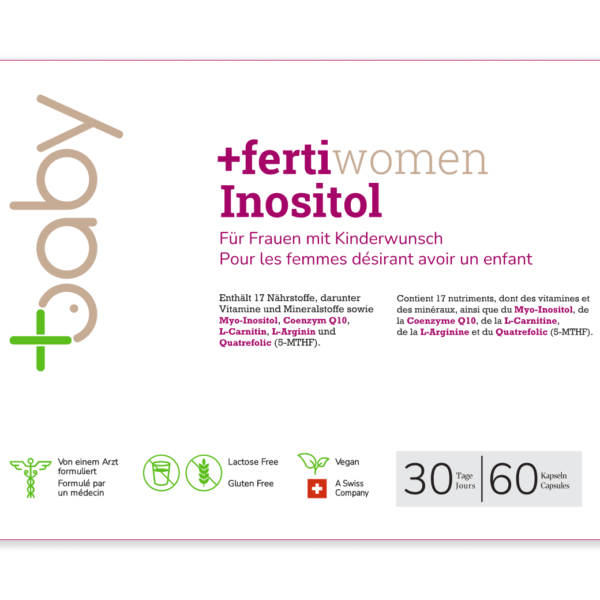
At Plusbaby, we believe that gentle support, education, and science-backed nutrition can make this journey easier and more positive. Thoughtfully designed supplements like +fertiwomen Inositol are created to support women’s hormonal balance and overall reproductive wellness as part of a holistic approach to fertility and pregnancy preparation.
Above all, be kind to yourself. Pregnancy is not about perfection; it’s about progress, care, and trust. Your journey is uniquely yours, and every step forward matters.
Q1. Is it normal to experience different symptoms each week?
Answer: Yes, it’s completely normal. Pregnancy week-by-week symptoms can vary from one week to another as hormone levels rise, the uterus expands, and the body adapts to pregnancy. Some weeks may feel easier, while others bring new changes such as fatigue, nausea, or body aches. Every pregnancy follows its own pattern.
Q2. When do baby movements usually start?
Answer: Most women begin to feel baby movements between weeks 18 and 22. This stage, known as quickening, is an important baby development week by week milestone and becomes more noticeable as the baby grows stronger in the second trimester.
Q3. How is a baby’s size measured during pregnancy?
Answer: Doctors estimate pregnancy week by week baby size using ultrasound measurements and standardized growth charts. These measurements help assess fetal growth, estimate weight, and ensure that development is progressing normally for each stage.
Q4. Are ultrasounds required every trimester?
Answer: In most pregnancies, ultrasounds are done at key stages. A first-trimester scan confirms pregnancy and due date, a mid-pregnancy scan checks anatomy, and later pregnancy week-by-week ultrasound scans may monitor growth, position, or specific medical concerns.
Q5. How can I prepare for each stage of pregnancy?
Answer: Following a trusted pregnancy week by week guide helps you understand upcoming changes, plan nutrition and lifestyle adjustments, and stay prepared for medical appointments. Knowing pregnancy week by week what to expect reduces anxiety and supports confident decision-making throughout the journey.
Q6. What happens in the first week of pregnancy?
Answer: In the first week of pregnancy, calculated from the first day of your last menstrual period, you are not yet pregnant, but your body is preparing for ovulation. Hormones like estrogen rise to thicken the uterine lining. This early phase of pregnancy week by week sets the stage for conception, and it is an ideal time to start prenatal vitamins and healthy habits.
Q7. When can I find out the baby’s gender?
Answer: You can usually find out the baby’s gender during the mid-pregnancy ultrasound around weeks 18 to 20. This anatomy scan checks pregnancy week by week fetal development and often reveals sex if the position allows. Non-invasive prenatal testing (NIPT) can detect it as early as week 10 through bloodwork.
Q8. What are the signs of labor in the third trimester?
Answer: Signs of labor in the third trimester include regular contractions that increase in intensity, lower back pain, the “bloody show” (mucus with blood), water breaking, and cervical changes. Monitoring these pregnancy week by week symptoms helps you know when to contact your healthcare provider as birth approaches.
Q9. How big is the baby at week 20?
Answer: At week 20, the baby is about 6 to 10 inches long and weighs around half a pound, similar to a banana. This midpoint marks significant baby development week by week, with organs maturing and movements becoming noticeable. Regular ultrasounds confirm pregnancy week by week baby size and growth.
Q10. Is it safe to exercise during pregnancy?
Answer: Yes, moderate exercise is generally safe and beneficial during pregnancy if approved by your doctor. Activities like walking, swimming, or prenatal yoga support circulation, mood, and energy. Adjust intensity based on pregnancy week by week body changes, and avoid high-impact sports to prevent strain or injury.