NEW FORMULAS + EXCLUSIVE LAUNCH OFFER: Buy 3 products → GET 1 FREE + FREE shipping!

NEW FORMULAS + EXCLUSIVE LAUNCH OFFER: Buy 3 products → GET 1 FREE + FREE shipping!


Breastfeeding is one of the most nurturing experiences for both mother and baby but it can also be physically demanding. Proper hydration and nutrition play a vital role in milk production, energy levels, and recovery. Across Germany, France, and Switzerland, more mothers are turning to herbal teas as a natural way to support lactation and relaxation.
In 2026, the rise of vegan, caffeine-free, and organic blends such as Plusbaby Herbal Tea reflects a growing preference for clean, botanical wellness. If you’re wondering how to choose the best herbal tea for breastfeeding, this guide will walk you through the benefits, ingredients to look for, herbs to avoid, and what makes a tea blend safe and effective for new mothers.
Staying hydrated is essential when nursing, as the body uses significant amounts of water to produce milk. Beyond hydration, certain herbal teas offer natural support for:
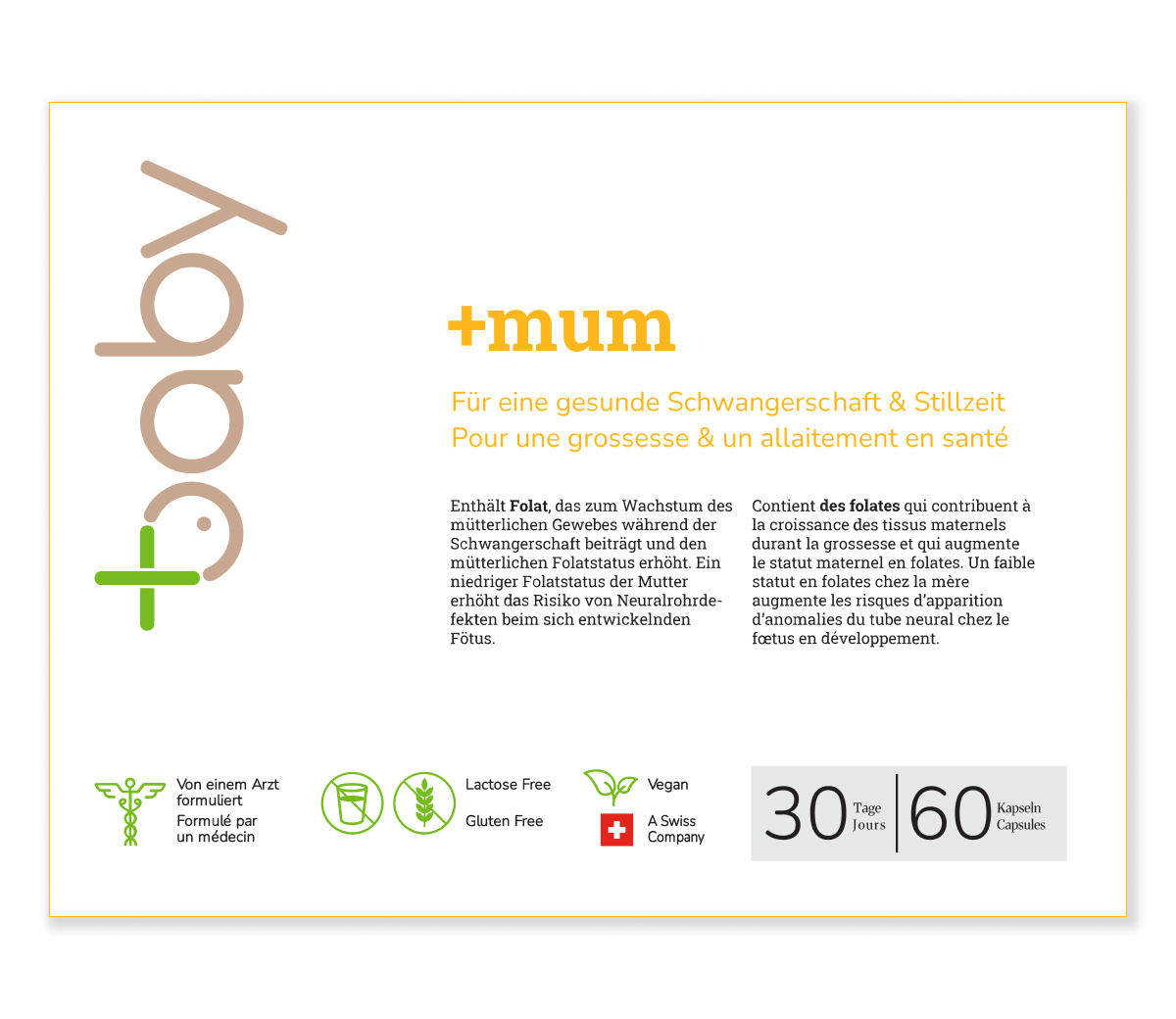
Herbal teas can also complement your nutrient intake alongside supplements like Plusbaby +mum Prenatal vitamins which many European mothers continue during breastfeeding for essential vitamins and minerals.
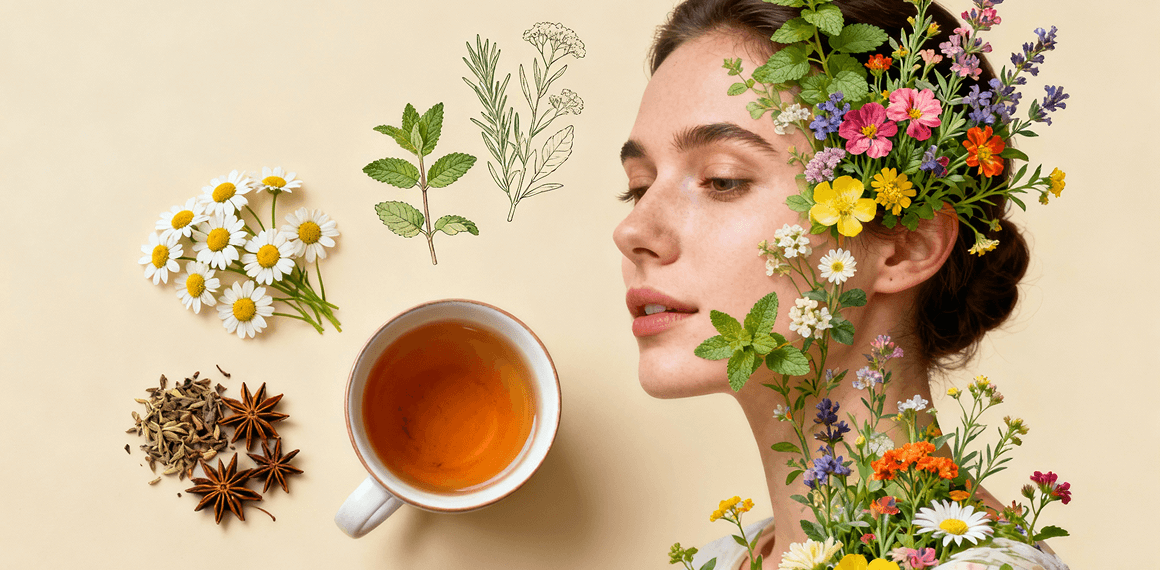
When selecting herbal teas, look for blends that include natural galactagogues (milk-enhancing herbs) and digestive-friendly botanicals. Here are some of the most recommended herbs used across Europe:
| Herb | Primary Benefit | Regionally Popular In | Notes |
| Fenugreek | Stimulates milk production | France, Germany | Use in moderation; has a mild maple aroma |
| Fennel Seed | Eases digestion and increases milk flow | Switzerland, France | Helps prevent infant gas and colic |
| Nettle Leaf | Boosts iron and calcium | Germany, Switzerland | Excellent postpartum tonic |
| Anise & Caraway | Supports lactation & digestion | Central Europe | Common in traditional nursing teas |
| Lemon Balm | Calming and sleep-supportive | France | Helps reduce postpartum anxiety |
| Rooibos | Antioxidant-rich and caffeine-free | Switzerland | Great for hydration and relaxation |
| Ginger Root | Aids digestion and circulation | Germany | Naturally warming and comforting |
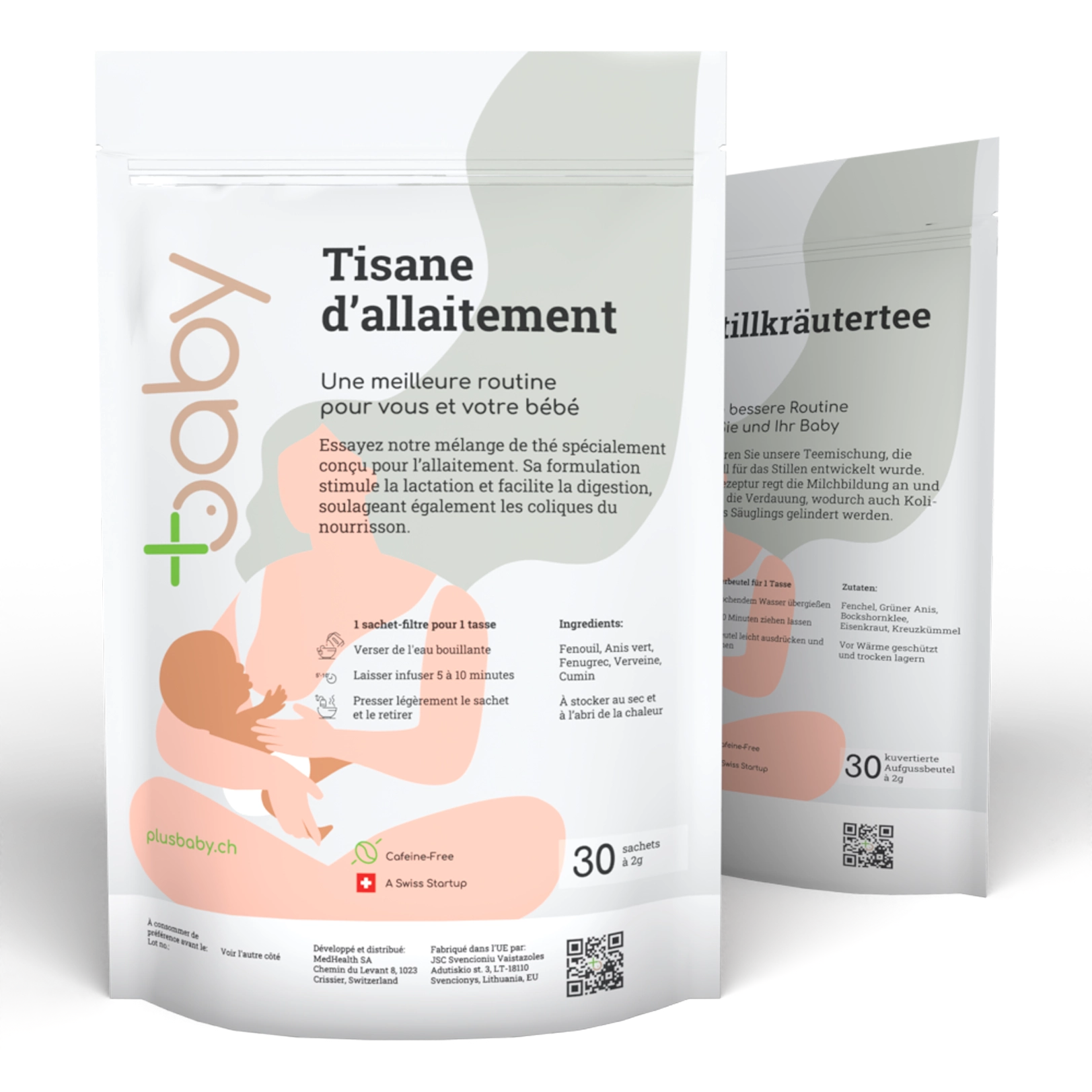
These ingredients are not only effective but also gentle enough for daily use. Many European lactation consultants recommend blends that combine fenugreek, fennel, nettle, and lemon balm, the exact balance you’ll find in Plusbaby Herbal Tea.
Not all herbal teas are safe while nursing. Some herbs can reduce milk supply or cause discomfort for infants. Avoid blends containing:
Always check labels carefully, especially when buying imported or mixed teas, and consult your doctor or midwife if unsure.
1. Ensure it’s caffeine-free
Caffeine passes through breast milk and can make babies restless. Look for herbal or rooibos-based teas labeled caffeine-free or naturally caffeine-free.
2. Check for organic and clean sourcing
European mothers increasingly prefer teas with organic certifications (EU-BIO, Ecocert, Bio-Suisse) to ensure no pesticide or chemical residue.
3. Go vegan and cruelty-free
Just like vegan prenatal vitamins, plant-based teas align with clean living and sustainability, an important factor for many families in France and Switzerland.
4. Look for galactagogue blends
Fenugreek, fennel, nettle, and anise are key herbs that gently promote milk supply.
5. Opt for balanced formulations
Too much of one herb (especially fenugreek) can cause digestive upset. Choose trusted blends like Plusbaby Herbal Tea, which are professionally balanced for daily use.
6. Read ingredient labels carefully
Avoid teas that list “natural flavoring” without specifying the source. Authentic herbal teas should clearly name each botanical.
Herbal tea has been part of European postpartum care for generations:
These regional traditions continue to inspire modern brands like PlusBaby Herbal Tea, which combines time-tested herbs with clinical precision.

Designed especially for breastfeeding mothers in Germany, France, and Switzerland, Plusbaby Herbal Tea brings together:
PlusBaby’s herbal teas complement other wellness essentials like Plusbaby +mum Prenatal vitamins, offering complete postpartum nourishment.
For mothers still in the pre-pregnancy stage, we recommend reading: How to Get Pregnant Quickly: What Are the Solutions? a perfect companion guide to your fertility and postpartum journey.
| Checklist | Description |
| Caffeine-free formula | Gentle and safe for baby’s sleep cycle |
| Organic & EU-certified | Free from pesticides and artificial additives |
| Vegan & cruelty-free | Sustainable, plant-based wellness |
| Lactation-supporting herbs | Fenugreek, fennel, nettle, lemon balm |
| Gentle flavor profile | Balanced taste suitable for daily use |
| Trusted European brand | Meets EFSA and Swissmedic quality standards |
Expert insight
“Hydration and herbal support are crucial in early motherhood,” says Dr. Amélie Laurent, OB-GYN and women’s health specialist in Paris. “European mothers benefit from clean, balanced teas like Plusbaby Herbal Tea, which combine traditional lactation herbs with modern purity standards.”
1. Can I drink herbal tea while breastfeeding every day?
Yes, moderate daily consumption of caffeine-free herbal teas is safe. Stick to 2–3 cups a day from trusted, organic brands.
2. Which tea increases breast milk production naturally?
Blends containing fenugreek, fennel, nettle, and anise are most effective. These herbs are used in traditional European nursing teas and in Plusbaby Herbal Tea.
3. Are all herbal teas safe during breastfeeding?
No. Some herbs like peppermint, sage, and parsley in large amounts can reduce milk flow. Always check the ingredients.
4. Can I combine herbal tea with vitamins?
Absolutely. In fact, teas pair well with vegan prenatal vitamins for overall postpartum support. Read: Why prenatal vitamins are important? for guidance on safe combinations.