NEW FORMULAS + EXCLUSIVE LAUNCH OFFER: Buy 3 products → GET 1 FREE + FREE shipping!

NEW FORMULAS + EXCLUSIVE LAUNCH OFFER: Buy 3 products → GET 1 FREE + FREE shipping!


Pregnancy changes everything: your body, your emotions, and the way you think about food. Working closely with women at Plusbaby, my team and I have seen one simple truth again and again: the right nutrition can make this journey calmer, healthier, and more confident.
A thoughtful, healthy pregnancy diet plan is not about strict rules. It is about gently nourishing both you and the life growing inside you. When you know what to eat during pregnancy and which foods to avoid, daily choices feel easier and less overwhelming. Along with real, wholesome foods, many women also turn to fertility supplements for women to support their nutritional needs during this important phase.
Working closely with women at Plusbaby, my team and I have seen one simple truth again and again: the right nutrition can make this journey calmer, healthier, and more confident.
A thoughtful, healthy pregnancy diet plan isn’t about strict rules; it’s about gently nourishing both you and the life growing inside you.
When you know what to eat during pregnancy and which foods to avoid, daily choices feel easier and less overwhelming. Along with real, wholesome foods, many women also turn to fertility supplements for women to support their nutritional needs during this important phase.
This pregnancy nutrition guide is created to feel like a trusted companion: clear, practical, and reassuring. From safe foods to avoidable mistakes, it helps you follow a pregnancy diet plan for a healthy baby with confidence, balance, and peace of mind.
For women looking to take a holistic approach, learning how to prepare your body for pregnancy naturally can support a smoother transition into pregnancy.
Pregnancy changes your body’s nutritional needs. You need better nutrition, not just more calories. The focus should be on food quality, choosing nutrient-rich meals that support both you and your baby. A balanced pregnancy diet chart and understanding foods to eat and avoid helps ensure your daily meals provide the right nourishment at every stage.
As your baby grows, your body works harder to support organ development, hormonal changes, and increased energy demands. This makes thoughtful food choices essential. The main goals of a healthy pregnancy diet plan are to support fetal brain and organ development, maintain healthy maternal weight gain, prevent common nutritional deficiencies, and boost energy levels and immunity.
The main goals of a healthy pregnancy diet are:
That’s why following a clear pregnancy nutrition guide can make pregnancy nutrition simpler, safer, and more manageable.
Many women begin their journey by focusing on natural ways to improve fertility before transitioning into pregnancy nutrition and care.
A nourishing pregnancy diet plan for a healthy baby is built on a mix of essential nutrients that support fetal development and help your body cope with the physical demands of pregnancy.
Instead of focusing on individual foods, it’s important to understand how these nutrients work together to support a safe and balanced pregnancy.
Folic acid is especially important in early pregnancy, as it helps prevent neural tube defects and supports healthy brain and spinal development.
Iron plays a key role in increasing blood volume and preventing anemia, ensuring enough oxygen reaches your baby. Including foods rich in these nutrients strengthens any pregnancy food list, what to eat, and supports long-term maternal health.
Adequate intake of folic acid for pregnancy is crucial in the early stages to support neural tube and brain development.
Calcium helps build your baby’s bones and teeth, while vitamin D improves calcium absorption and supports immune function. Dairy products, leafy greens, and fortified foods are safe foods during pregnancy that help protect maternal bone strength while supporting steady fetal growth.
Protein is essential for building cells, tissues, and muscles in your growing baby, while healthy fats support brain, eye, and nervous system development. Including eggs, lentils, nuts, seeds, dairy, and healthy oils provides some of the best foods for pregnancy and helps maintain energy and muscle strength.
Omega-3 fatty acids, particularly DHA, are vital for brain and eye development and may support healthy cognitive outcomes after birth. Including DHA-rich foods strengthens a healthy pregnancy diet plan and supports optimal growth during all trimesters.
While many women explore vitamins to help you get pregnant quickly, it’s important to understand which supplements are suitable before conception and which should be avoided during pregnancy.
A woman’s nutritional needs evolve throughout pregnancy, which is why following a pregnancy diet chart Indian approach on a trimester basis, is both practical and effective.
Each stage supports a different phase of fetal growth, and aligning your meals with these needs helps ensure balanced nourishment. A structured pregnancy diet plan, what to eat avoid, makes daily food choices easier and safer.
The first trimester is one of the most sensitive phases, as your baby’s brain, spinal cord, and vital organs begin to form. During this time, many women struggle with nausea, vomiting, fatigue, and food aversions. Following a gentle, healthy pregnancy diet plan focused on light and nourishing foods helps manage symptoms while supporting early development.
Instead of heavy meals, eating small portions frequently works best. Choosing the right items from a pregnancy food list, what to eat, helps maintain nutrition even when appetite is low.
Diet goals in first trimester:
Recommended foods:
Foods to avoid:
Being careful about foods to avoid in the first trimester is critical, as this phase sets the foundation for a pregnancy diet plan for a healthy baby.
During the early weeks, symptoms and nutritional needs change rapidly, which is why understanding what to expect during the first trimester can help you make better diet and lifestyle choices.
The second trimester is often more comfortable, and your baby now grows rapidly in size and strength. Appetite usually improves, making it easier to follow a balanced pregnancy diet chart, foods to eat avoid that support growth without unnecessary weight gain.
During this stage, a nutrient-rich Indian pregnancy diet plan helps meet increased demands for protein, calcium, and iron.
Diet goals in the second trimester:
Recommended foods (Indian diet):
Including these best foods for pregnancy strengthens your pregnancy nutrition guide and supports healthy fetal development.
In the third trimester, your baby gains most of its weight, and your body prepares for labor and delivery. Energy and nutrient needs peak, but digestion may slow down. Following a structured pregnancy diet plan, what to eat avoid becomes especially important to maintain comfort and nourishment.
Smaller, frequent meals and mindful food choices from a pregnancy food list what to eat, help manage heartburn, bloating, and constipation.
Diet goals in the third trimester:
Recommended foods:
Avoid heavy, oily, and very spicy meals. Following these pregnancy diet dos and don’ts helps ensure comfort and supports a smooth transition toward delivery as part of a healthy pregnancy diet plan.
| Trimester | Body focus | Key nutrients | Foods to include | Foods to limit |
| First trimester | Early organ development | Folic acid, iron | Fruits, curd, whole grains, cooked veggies | Raw foods, caffeine, junk food |
| Second trimester | Growth & strength | Protein, calcium, and iron | Dal, roti, vegetables, dairy, nuts | Excess sugar, fried foods |
| Third trimester | Weight gain & energy | Fiber, protein, healthy fats | Whole grains, fruits, vegetables, seeds | Very spicy, oily, heavy meals |
Each trimester brings different nutritional needs as the baby continues to grow and the mother’s body adapts. Following pregnancy development week by week can help you better understand how nutritional needs and fetal growth change throughout pregnancy.
Eating the right foods during pregnancy is one of the simplest and most effective ways to support your baby’s development and protect your own health. A well-balanced, healthy pregnancy diet plan focuses on whole, natural foods that provide steady energy, essential nutrients, and digestive comfort.
Including a variety of food groups also makes it easier to follow a safe and sustainable pregnancy diet plan for a healthy baby throughout all trimesters.
Fruits & vegetables for pregnancy
Fruits and vegetables are essential during pregnancy because they supply a wide range of vitamins, minerals, antioxidants, and dietary fiber. These nutrients support fetal development, strengthen immunity, and help manage digestion-related issues such as constipation and bloating.
Because they are naturally low in calories and high in nutrients, they are considered some of the best foods for pregnancy.
Key benefits:
Including a colorful mix of fruits and vegetables daily strengthens your pregnancy food list, what to eat, and forms a strong base for a reliable pregnancy nutrition guide.
Whole grains & fiber-rich foods
Whole grains are an important source of long-lasting energy during pregnancy. Foods such as brown rice, oats, millets, whole wheat, and barley provide fiber, B vitamins, and essential minerals that support digestion and metabolic health.
Why whole grains matter during pregnancy:
These foods are central to a pregnancy diet chart, making them easy to include in everyday meals while supporting a well-balanced, healthy pregnancy diet plan.
Dairy & calcium-rich foods
Calcium is critical during pregnancy, as it supports the development of your baby’s bones and teeth while protecting your own bone density. Dairy products such as milk, yogurt, and paneer also provide protein, vitamin B12, and probiotics that support digestion and muscle function.
Benefits of calcium-rich foods:
When consumed in appropriate portions, dairy products are considered safe foods during pregnancy and play a key role in a balanced pregnancy diet plan, what to eat avoid.
Lean proteins & plant-based options
Protein is one of the most important nutrients during pregnancy, as it supports the growth of fetal tissues, organs, and muscles while also helping maintain maternal strength. Both animal-based and plant-based protein sources can be included depending on dietary preference.
Healthy protein sources include:
Adequate protein intake strengthens your pregnancy food list what to eat, supports healthy weight gain, and ensures your pregnancy nutrition guide remains balanced and effective throughout pregnancy.
Avoiding certain foods during pregnancy is just as important as choosing the right ones. Some foods can carry harmful bacteria, toxins, or high levels of substances that may affect your baby’s development. Understanding foods to avoid during pregnancy helps lower the risk of infections, foodborne illnesses, and avoidable complications.
Raw or undercooked eggs, meat, and seafood
These foods may contain bacteria such as Salmonella or Listeria, which can be risky during pregnancy. Always choose well-cooked eggs, meat, poultry, and seafood to ensure safety.
Unpasteurized milk and soft cheeses
Unpasteurized dairy products can carry harmful bacteria that increase the risk of infection. It’s best to stick to pasteurized milk, yogurt, and cheese, which are considered safe foods during pregnancy.
High-mercury fish
Certain fish contain high levels of mercury, which can affect your baby’s developing brain and nervous system. Avoid high-mercury fish and choose safer alternatives in moderation as part of a balanced diet.
Excess caffeine, alcohol, and sugary drinks
Too much caffeine may increase the risk of low birth weight, while alcohol should be completely avoided during pregnancy. Sugary drinks add empty calories and can lead to unnecessary weight gain and energy crashes.
Following these pregnancy diet dos and don’ts is especially important during early pregnancy, when the baby is most vulnerable. Being mindful of foods to avoid in the first trimester helps create a safer environment for healthy growth from the very beginning.
A simple pregnancy diet chart foods to eat avoid helps maintain consistency, balanced nutrition, and steady energy levels throughout the day. This sample meal plan supports a healthy pregnancy diet plan without overwhelming the digestive system.
| Time of day | Meal | Food examples | Nutritional benefit |
| Breakfast | Light & nourishing | Vegetable poha with peanuts + milk | Provides energy, fiber, iron, and calcium |
| Mid-morning | Refreshing snack | Seasonal fruit bowl | Vitamins, antioxidants, hydration |
| Lunch | Balanced main meal | Roti, dal, vegetable sabzi, curd | Protein, fiber, iron, probiotics |
| Evening snack | Light protein snack | Nuts or roasted chana | Healthy fats, protein, sustained energy |
| Dinner | Easy-to-digest meal | Rice, paneer or vegetable curry, salad | Calcium, protein, vitamins, and digestion support |
A healthy pregnancy begins with real food. Whole foods should always form the base of your nutrition, while supplements are used only to support nutritional gaps, not replace meals. A reliable pregnancy nutrition guide focuses first on balanced eating, with supplements added only when truly needed.
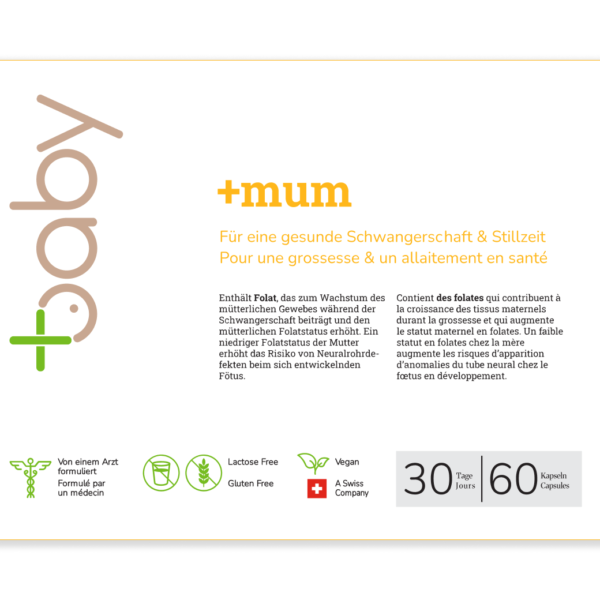
Most doctors recommend prenatal vitamins to help meet increased requirements for folate, iron, vitamin D, iodine, and B12. For women following plant-based diets, options like +mum Vegan Prenatal Vitamins can be a suitable choice when approved by a healthcare provider.
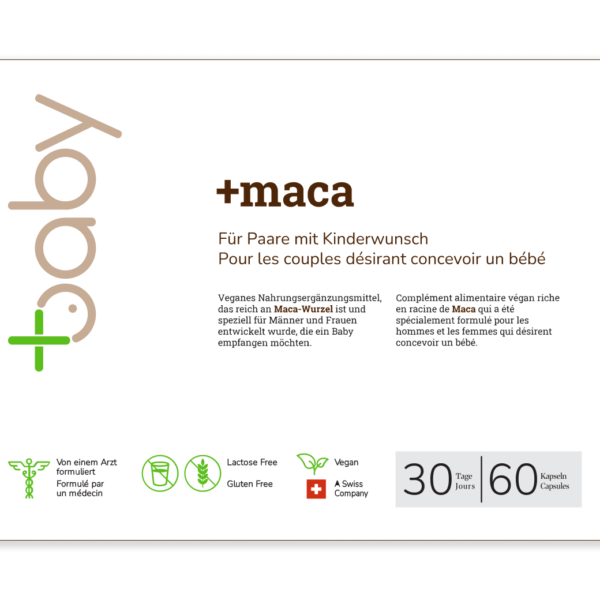
Some supplements, such as Maca Root (Peruvian ginseng), are commonly used during the fertility phase to support energy, hormone balance, and libido. However, Maca is generally not recommended once pregnancy is confirmed, unless specifically advised by a medical professional.
Always consult your doctor before starting, stopping, or changing any supplement in your pregnancy diet plan for a healthy baby, as needs vary by trimester and individual health.
Women following a plant-based diet may benefit from high-quality vegan prenatal vitamins to support key nutrient needs during pregnancy and breastfeeding.
A well-planned healthy pregnancy diet plan is one of the simplest ways to support your baby’s growth and your own well-being. By understanding what to eat during pregnancy, avoiding harmful foods, and following a clear pregnancy diet plan what to eat avoid, you can move through pregnancy with greater confidence and care.
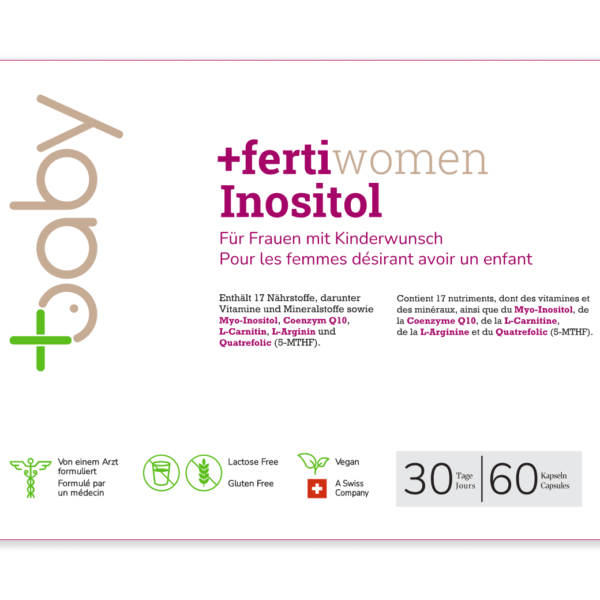
At Plusbaby, we’ve seen how consistent, balanced nutrition makes a real difference. Along with wholesome foods, some women may benefit from added support like +fertiwomen Inositol and Vegan Multivitamins for Women’s Fertility, when guided by a healthcare professional.
Small, mindful choices made every day create the strongest foundation for a healthy pregnancy from the very beginning.
Q1. What is the healthiest diet for a pregnant woman?
Answer: The healthiest diet for a pregnant woman includes a balance of fruits, vegetables, whole grains, lean proteins, dairy, and healthy fats. Following a healthy pregnancy diet plan and focusing on nutrient-dense foods supports fetal growth, energy levels, and overall maternal well-being.
Q2. What is the best meal plan for a pregnant woman?
Answer: The best meal plan includes three balanced meals and 2–3 healthy snacks spaced evenly throughout the day. A structured pregnancy diet plan what to eat avoid should include a variety of fruits, vegetables, grains, proteins, and dairy while limiting processed foods, excess sugar, and caffeine.
Q3. What are the 10 tips for a healthy pregnancy?
Answer:
These tips help support a safe and comfortable pregnancy.
Q4. What to eat every day when pregnant?
Answer: Every day, pregnant women should include fruits, vegetables, whole grains, protein sources, and dairy from a trusted pregnancy food list what to eat. This daily balance supports steady energy levels, digestion, and healthy fetal development as part of a complete pregnancy nutrition guide.
Q5. What foods should I avoid during pregnancy?
Answer: During pregnancy, it is important to avoid raw or undercooked meat, fish, eggs, unpasteurized dairy products, soft cheeses, and high-mercury fish. You should also limit caffeine and completely avoid alcohol. Following a pregnancy diet plan that clearly identifies foods to avoid during pregnancy helps reduce the risk of infections and supports a safe environment for your baby.
Q6. Is it safe to eat fish during pregnancy?
Answer: Yes, it is safe to eat fish during pregnancy if you choose low-mercury varieties such as salmon, sardines, or trout, and limit intake to 2–3 servings per week. These fish provide important omega-3 fatty acids that support your baby’s brain development. Always cook fish thoroughly and avoid high-mercury options like shark, swordfish, or king mackerel as part of a healthy pregnancy diet plan.
Q7. How much weight should I gain during pregnancy?
Answer: The recommended weight gain during pregnancy depends on your pre-pregnancy body mass index. Most women with a healthy BMI are advised to gain between 11 and 16 kilograms over the entire pregnancy. Gaining weight gradually and steadily through a balanced pregnancy diet plan supports healthy fetal growth without excessive strain on your body.
Q8. What should a vegetarian or vegan pregnant woman eat?
Answer: A vegetarian or vegan pregnant woman should focus on plant-based sources of protein such as lentils, beans, chickpeas, tofu, tempeh, nuts, and seeds. Include plenty of leafy greens, fortified plant milks, whole grains, and fruits to meet needs for iron, calcium, vitamin B12, and omega-3s. Following a well-planned vegetarian pregnancy diet plan and possibly taking a vegan prenatal vitamin helps ensure all essential nutrients are covered for both mother and baby.
Q9. How can I manage morning sickness with diet?
Answer: To manage morning sickness, eat small, frequent meals throughout the day instead of large ones. Choose bland, easy-to-digest foods like crackers, toast, bananas, rice, and ginger tea. Staying hydrated and avoiding strong smells and spicy or fatty foods can also help. Many women find relief by following a gentle first-trimester pregnancy diet plan focused on light, nourishing meals.