NEW FORMULAS + EXCLUSIVE LAUNCH OFFER: Buy 3 products → GET 1 FREE + FREE shipping!

NEW FORMULAS + EXCLUSIVE LAUNCH OFFER: Buy 3 products → GET 1 FREE + FREE shipping!


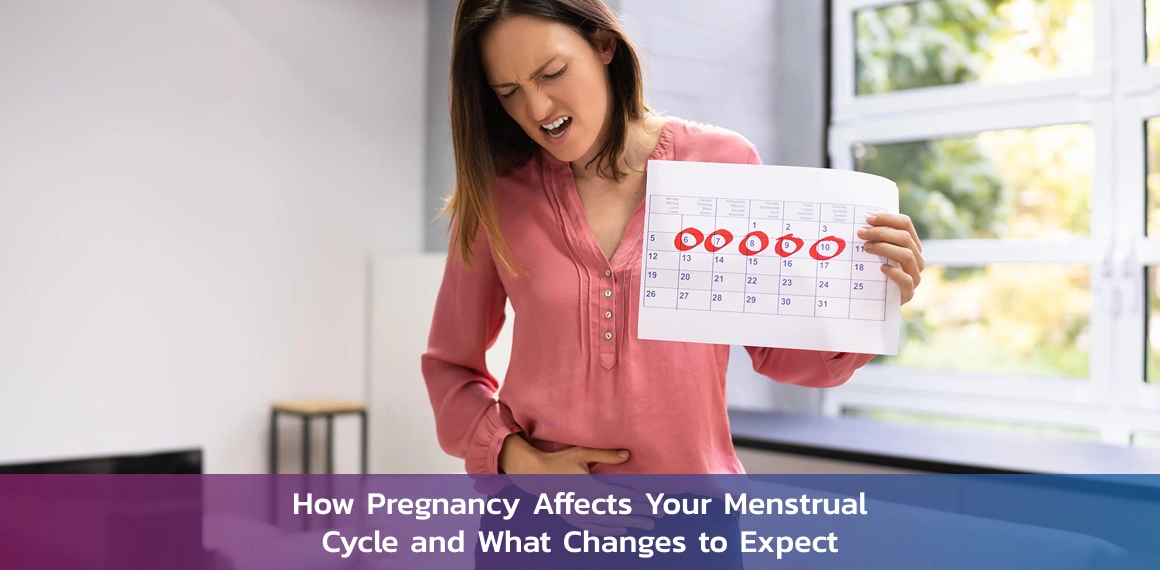
Pregnancy has a quiet way of rewriting your body’s rhythms, especially your menstrual cycle. One month, you’re tracking periods as usual, and the next, everything feels different. A missed period, unexpected spotting, or changes after delivery can leave many women wondering what’s normal and what’s not.
These shifts aren’t random. They’re driven by powerful hormonal changes designed to protect and support new life. Understanding the connection between pregnancy and menstrual cycle changes helps you feel more confident, less anxious, and better prepared for what your body is doing at each stage.
At Plusbaby, we believe knowledge is just as important as nutrition during this journey. This guide clearly explains how pregnancy affects menstrual cycle patterns, what happens to periods during pregnancy, and how your body gently readjusts after childbirth, so you know what to expect and when to seek support.
Along with understanding hormonal and menstrual changes, following a healthy pregnancy diet plan plays a vital role in supporting hormone balance, energy levels, and overall pregnancy wellness.
To clearly understand how pregnancy affects the menstrual cycle, it helps to first know how menstruation works when you are not pregnant. The menstrual cycle is controlled by a careful balance of hormones that prepare the body each month for a possible pregnancy.
Tracking your menstrual cycle can help you better understand these patterns and quickly notice any changes.
In a normal cycle:
Once pregnancy starts, this hormonal pattern changes completely. Instead of rising and falling each month, hormone levels remain consistently high to support the developing baby. This is why the menstrual cycle stops pregnancy very early, often before other noticeable symptoms appear.
During early pregnancy, the body shifts from a repeating cycle to a stable, supportive state:
In simple terms, pregnancy and the menstrual cycle processes cannot occur at the same time. After fertilization and implantation, the body naturally pauses menstruation. This explains what happens to periods during pregnancy and why having no period during pregnancy is completely normal.
One of the earliest and most noticeable signs of pregnancy is a missed period. For most women, the answer to does pregnancy stop your period is simple: yes, pregnancy naturally pauses menstruation to protect the developing baby.
Once conception occurs, the body releases hormones that signal the ovaries to stop releasing eggs. At the same time, the uterus is instructed to hold onto its lining instead of shedding it. This is what happens to periods during pregnancy: the monthly cycle is placed on hold so the body can focus on nurturing a new life.
Here’s what typically happens after pregnancy begins:
Some women worry they are still menstruating because of light spotting in early weeks. However, this is not a true period. When the menstrual cycle stops pregnancy, any bleeding that occurs is usually related to implantation or hormonal adjustments, not regular menstruation.
Understanding this distinction helps reduce confusion and anxiety. When pregnancy is established, the menstrual cycle during pregnancy does not continue, even if mild bleeding appears.
Seeing blood after a missed period can be emotionally unsettling. Many women immediately fear that something is wrong or assume their period has started again. This is why understanding bleeding during pregnancy vs period is so important; it helps separate normal early pregnancy changes from true menstruation.
During pregnancy, the body undergoes rapid hormonal shifts and physical adjustments. These changes can sometimes cause light bleeding or spotting, especially in the first trimester. A menstrual period, however, occurs only when pregnancy has not happened, and the uterine lining is shed.
If you’re unsure whether it’s a period or an early pregnancy sign, read our guide on Period vs. Pregnancy Symptoms: How to Identify the Differences Before Testing.
Early pregnancy bleeding does not always indicate a problem. Some common and often harmless causes include:
This is where implantation bleeding vs period confusion is most common. Implantation bleeding is usually subtle and short-lived, unlike a full menstrual flow.
Understanding the physical differences can help reduce anxiety when spotting occurs. In most cases, bleeding during pregnancy vs period can be distinguished by the following signs:
A true period is heavier, lasts longer, and follows a consistent cycle.
| Feature | Bleeding during pregnancy | Menstrual period |
| Primary cause | Implantation or hormonal changes | Hormone drop and uterine lining shedding |
| Flow type | Light spotting or streaks | Steady, moderate to heavy flow |
| Color | Pink, brown, or faint red | Bright red to dark red |
| Duration | A few hours to 1–2 days | 3–7 days |
| Clots | Rare | Common |
| Cramping | Mild or absent | Common and often stronger |
| Timing | Irregular and unexpected | Regular monthly cycle |
| Cycle pattern | Does not repeat monthly | Repeats every cycle |
Unlike menstruation, bleeding during pregnancy vs period usually resolves quickly and does not return in a cyclical pattern. Recognizing implantation bleeding vs period differences helps prevent unnecessary stress during early pregnancy.
While light spotting can be normal, it’s important to seek medical guidance if bleeding:
Being informed allows you to respond with confidence instead of fear. Not all bleeding signals danger, but understanding the difference empowers you to protect both your health and your peace of mind.
Hormones play a central role in how pregnancy affects the menstrual cycle. Soon after conception, the body shifts from its normal monthly hormone pattern to a pregnancy-supporting hormonal state. These pregnancy hormone changes periods experience explain why menstruation stops while many period-like symptoms continue.
One of the earliest results of these changes is the appearance of missed period pregnancy symptoms. Rising hCG prevents ovulation, while progesterone maintains the uterine lining. As a result, the menstrual cycle pauses, but symptoms such as bloating, breast tenderness, mild cramps, or mood swings may still occur, often confusing early pregnancy.
Key hormones and their effect on period-like symptoms
| Hormone | Role during pregnancy | Effect on period symptoms |
| hCG | Signals pregnancy and supports hormone production | Stops ovulation and prevents menstruation |
| Progesterone | Maintains uterine lining | Causes bloating, fatigue, and breast tenderness |
| Estrogen | Supports fetal growth and blood flow | Contributes to nausea and emotional changes |
| Relaxin | Prepares the body for pregnancy | May cause pelvic discomfort or mild cramping |
These pregnancy hormone changes periods experience explain why the body can feel like a period is coming, even though it never arrives. Hormonal levels remain consistently high instead of dropping, which is why menstruation does not occur.
As the body adjusts to this hormonal environment, symptoms often stabilize. Over time, the absence of menstruation becomes a normal part of pregnancy, while energy levels and emotional balance may gradually improve.
Understanding how hormones influence these changes helps make sense of early pregnancy sensations without unnecessary worry.
Because pregnancy hormones place higher nutritional demands on the body, choosing the best vegan prenatal vitamins for pregnancy and breastfeeding can help support hormonal balance and reduce nutrient gaps.
After childbirth, many women wonder when their periods will return and whether they will feel the same as before. Periods after pregnancy do not follow a fixed schedule. The timing and pattern of menstruation depend on hormone recovery, breastfeeding habits, stress levels, sleep, and how the body heals after delivery.
During the postpartum phase, noticeable postpartum period changes occur as estrogen and progesterone levels gradually decline from pregnancy levels, and ovulation slowly resumes. The first few cycles are often unpredictable, which is a normal part of the body finding its balance again.
Over time, the menstrual cycle after pregnancy usually becomes more predictable as hormones stabilize and ovulation resumes consistently. Understanding these periods after pregnancy changes helps reduce worry and reassures you that temporary irregularities are a normal part of postpartum recovery.
Rebuilding nutrient stores after pregnancy is just as important as preparing before conception, which is why understanding essential vitamins and minerals for women’s fertility supports long-term hormonal and cycle health.
After pregnancy, the body focuses on restoring hormone balance, rebuilding nutrient stores, and regulating the menstrual cycle. Blood loss during delivery, breastfeeding demands, and ongoing hormonal shifts can increase the need for specific vitamins and minerals. Nutritional support during this phase can help ease postpartum period changes and support a smoother menstrual cycle after pregnancy.
Certain nutrients play a direct role in hormonal regulation, energy levels, and menstrual health:
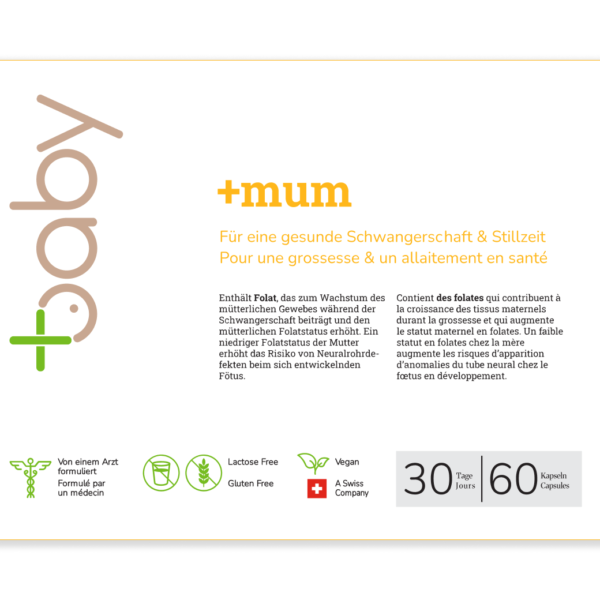
Continuing a prenatal supplement after birth can be beneficial, especially during breastfeeding or recovery. +Mum Vegan Prenatal Vitamins are formulated to support women beyond pregnancy by providing essential nutrients in a gentle, plant-based form. They help replenish key vitamins and minerals that support hormone balance, energy levels, and menstrual recovery without burdening digestion.
While supplements alone cannot instantly regulate periods, consistent nutritional support can help the body recover more smoothly. When paired with a balanced diet, hydration, and rest, the right supplements can support long-term menstrual and hormonal health.
If postpartum periods remain highly irregular or symptoms feel concerning, consulting a healthcare professional is always recommended.
For nursing mothers, understanding the impact of +Mum vegan prenatal vitamins on breastfeeding can help ensure both maternal recovery and optimal nutritional support for the baby.
Pregnancy and the postpartum phase gently reshape your menstrual cycle as your body heals, rebalances hormones, and adapts to new rhythms. Missed periods, subtle hormonal shifts, and postpartum changes are not signs of something going wrong; they are signs of recovery in progress.
At Plusbaby, we believe every woman deserves clarity, care, and nourishment at every stage of her journey. Understanding your body and supporting it with the right nutrition can turn uncertainty into confidence and recovery into strength.
Join the PlusBaby community and explore thoughtful wellness support designed to grow with you, from fertility to postpartum and beyond.
Q1. Does pregnancy stop your period completely?
Answer: Yes, pregnancy stops regular menstruation because the menstrual cycle during pregnancy is paused by hormonal signals that prevent ovulation and uterine lining shedding.
Q2. Is bleeding during pregnancy the same as a period?
Answer: No, bleeding during pregnancy vs period is different in both cause and pattern, as pregnancy-related bleeding is usually lighter, irregular, and short-lived compared to a menstrual period.
Q3. What are common missed period pregnancy symptoms?
Answer: Common missed period pregnancy symptoms include fatigue, nausea, breast tenderness, mood changes, and mild cramping that may feel similar to PMS.
Q4. When do periods return after pregnancy?
Answer: Periods after pregnancy can return within a few weeks or take several months, depending on breastfeeding, hormone recovery, and individual healing after childbirth.
Q5. Are postpartum period changes normal?
Answer: Yes, postpartum period changes are normal and expected as hormone levels adjust, ovulation resumes, and the body recovers from pregnancy and delivery.