NEW FORMULAS + EXCLUSIVE LAUNCH OFFER: Buy 3 products → GET 1 FREE + FREE shipping!

NEW FORMULAS + EXCLUSIVE LAUNCH OFFER: Buy 3 products → GET 1 FREE + FREE shipping!


I’ve spoken to so many women at Plusbaby who share the same experience: “I thought pregnancy would feel joyful right away, but the first few weeks felt confusing.”
This feeling is completely normal. The first trimester, from pregnancy week 1 to week 12, is a quiet but powerful phase where major changes begin long before they are visible. During these early weeks, your baby’s vital organs start forming, the heart begins to beat, and your body works hard behind the scenes to support this new life. At the same time, you may experience tiredness, nausea, emotional shifts, or uncertainty. These reactions happen because pregnancy hormones rise quickly and your body adapts to support rapid fetal development.
This complete first trimester guide is written with care, drawing from real conversations with women at Plusbaby and supported by established medical knowledge about early pregnancy development.
I wanted to create a first trimester pregnancy week 1 to week 12 guide that feels like genuine support rather than strict instructions. My goal is to help you move through these weeks feeling informed, calm, and confident that you are doing your best for yourself and your baby.
If you’re preparing your body before pregnancy, a short fertility boost plan using Myo-Inositol, Maca, and fertility vitamins can help support natural hormone balance and reproductive health.
The first trimester can feel strange because so much is happening inside while nothing is visible yet. From my experience working closely with expecting mothers at Plusbaby, this phase often brings many questions, emotions, and symptoms at the same time. That is why understanding first-trimester pregnancy week by week truly helps you feel grounded.
This first trimester pregnancy week 1 to week 12 guide walks you through what is happening inside your body, how your baby is developing, and what you may feel at each stage.
Technically, pregnancy has not yet begun during week 1 and week 2 of the first trimester. This period is counted from the first day of your last menstrual period. Your body is preparing for ovulation, hormones are balancing, and the uterus lining is thickening to support possible implantation. This early stage of the first trimester pregnancy week 1 to week 12 timeline is the ideal time to start prenatal care.
You may not feel anything unusual yet, but this is the ideal time to start focusing on nutrition and prenatal care. Many doctors recommend beginning prenatal vitamins even before a positive test.
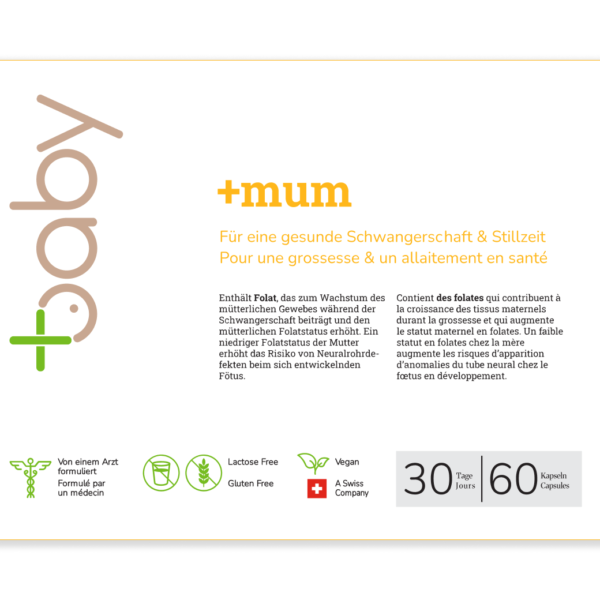
This is where +mum Vegan Prenatal Vitamins with Quatrefolic, formulated by Swiss doctors, can support early nutritional needs, especially folate, which is crucial from the very beginning.
Many women also focus on lifestyle and nutrition changes during this phase, especially those looking to prepare their bodies for pregnancy naturally in Lausanne.
Fertilization usually occurs in week 3, when the sperm meets the egg. The resulting embryo travels toward the uterus and implants into the uterine lining around week 4.
This marks the official start of pregnancy. Some women notice light spotting, mild cramping, or a subtle feeling that something has changed. These can be among the earliest first-trimester pregnancy symptoms. Pregnancy hormones like hCG begin to rise, though they may still be too low to detect on some tests.
Emotionally, this phase often brings a mix of excitement and uncertainty, which is completely normal during the first trimester.
This is when pregnancy often starts to feel real for many women. Hormones such as hCG rise rapidly, which triggers common first-trimester pregnancy symptoms. These may include
Your baby’s neural tube, which will develop into the brain and spinal cord, begins forming during this stage. This makes adequate folate intake especially important for healthy early development.
Many women rely on vegan prenatal vitamins such as +mum Vegan Prenatal Vitamins with Quatrefolic to support this critical neural tube formation, particularly those who prefer gentle, plant-based options.
If you’re unsure why prenatal supplements matter or how to choose the right one, read our guide on prenatal vitamins: why they are important and how to find the best one for you.
Your baby is growing quickly at this point in the first trimester pregnancy week 1 to week 12 timeline. The heart begins to beat, and early structures of the brain and spinal cord continue forming.
For many mothers, first-trimester pregnancy symptoms often intensify during these weeks. Food aversions, nausea, bloating, and emotional swings become more noticeable.
In my experience supporting women at Plusbaby, this is a phase where reassurance helps most. What you are feeling is usually a normal sign that hormones are doing their important work. Small, frequent meals, good hydration, rest, and consistent prenatal nutrition can make a big difference during this time.
For many women, weeks 9 and 10 can be the most challenging part of the first trimester. Morning sickness and extreme fatigue often reach their highest point, making everyday tasks feel more difficult.
Inside your body, your baby reaches an important milestone: the embryo officially becomes a fetus. Major organs continue developing, facial features begin to form, and the basic structure for further growth is established.
This is a good time to slow down, listen to your body, and prioritize first-trimester pregnancy care instead of pushing through your usual routine.
By weeks 11 and 12, many first-trimester pregnancy symptoms start to improve. The placenta takes over most hormone production, which often leads to better energy levels and fewer symptoms.
The risk of miscarriage also decreases significantly at this stage. You have now completed the first trimester pregnancy week 1 to week 12 phase, which is a major milestone.
At this point, many women feel more confident, more connected to their pregnancy, and clearer about their body’s needs.
Below is a simple, practical first-trimester pregnancy checklist to help you stay organized and reassured during these early weeks:
| Category | What to focus on |
| Prenatal care | Book first doctor visit, confirm pregnancy, schedule ultrasound |
| Nutrition | Follow a balanced first-trimester pregnancy diet, and stay hydrated |
| Supplements | Start prenatal vitamins (e.g., +mum Vegan Prenatal Vitamins with Quatrefolic) |
| Lifestyle | Rest often, avoid alcohol & smoking, manage stress |
| Symptoms | Track nausea, fatigue, cramps, and emotional changes |
| Medical tests | Blood tests, hormone levels, early scans (as advised) |
| Self-care | Gentle movement, sleep, small, frequent meals |
| Awareness | Learn first trimester pregnancy do’s and don’ts |
Proper first-trimester pregnancy care plays a critical role in supporting your baby’s early development and helping your body adapt to pregnancy.
These first 12 weeks are about balance, listening to your body, nourishing it well, and knowing what’s normal versus what needs medical attention.
This section brings together everything you need in one place, from symptoms and diet to supplements, checkups, and practical lifestyle guidance.
The first trimester often comes with noticeable physical and emotional changes. Some of the most common first-trimester pregnancy symptoms include:
These early pregnancy symptoms in the first trimester occur due to rising hormones and increased metabolic demand. Every pregnancy is different; some women feel mild changes, while others experience stronger symptoms.
In most cases, these symptoms gradually improve after week 12.
If you want to understand how symptoms and fetal growth continue after this stage, you can explore our pregnancy week-by-week guide that explains body changes and baby development throughout the entire pregnancy.
A well-balanced first-trimester pregnancy diet supports fetal growth, helps manage nausea, and maintains energy levels.
Focus on including:
Try to avoid raw or undercooked foods, excess caffeine, alcohol, and heavily processed junk food.
Following a nutritious diet is one of the most important steps in your first-trimester pregnancy checklist.
If you’re looking for a complete guide to eating well while pregnant, this best diet plan for a safe pregnancy covers daily meals, nutrients, and safety tips.
Vitamins and early medical care are essential parts of first-trimester pregnancy care. Prenatal vitamins containing folic acid, iron, iodine, and vitamin D help support neural development, blood formation, and overall maternal health.
Along with standard prenatal vitamins, some women may also benefit from fertility supplements for women, especially during early pregnancy.
These supplements often support hormone balance, egg quality, and nutrient reserves, particularly helpful for women who conceived after trying for some time or through assisted methods.
Early medical visits during this phase usually include:
These checkups are especially important during the first trimester of pregnancy week 1 to 12, as they help identify risks early and ensure healthy progression.
Building strong nutrient levels before pregnancy is essential, and understanding the essential vitamins and minerals for women’s fertility in Switzerland can support healthy conception and early pregnancy.
Understanding the first trimester pregnancy do’s and don’ts helps reduce avoidable risks and supports a smoother early pregnancy.
| Do’s | Don’ts |
| Get enough rest and sleep | Smoke or drink alcohol |
| Eat small, frequent meals | Self-medicate without doctor advice |
| Stay well hydrated | Skip meals |
| Take prenatal vitamins regularly | Ignore severe pain or heavy bleeding |
| Follow your doctor’s guidance | Overexert or push through exhaustion |
Following these simple first-trimester pregnancy tips can significantly improve comfort, safety, and peace of mind during early pregnancy.
Many expecting mothers also explore plant-based options. You can compare choices in our curated list of the best vegan prenatal vitamins for pregnancy and breastfeeding.
The first trimester is often the most intense part of pregnancy. It’s where your body adjusts, your baby begins forming, and you learn to listen to yourself in new ways.
By following this complete first-trimester pregnancy guide and understanding what to expect first trimester pregnancy, you’ve already done something powerful, you’ve created a strong foundation for what comes next.
As you step into the second trimester, many women start to feel more like themselves again. Energy slowly returns, symptoms ease, and confidence grows. Staying consistent with healthy habits, regular checkups, and proper nutrition continues to matter.
At Plusbaby, we believe support should feel simple and reassuring, which is why many moms choose +mum Vegan Prenatal Vitamins as part of their daily care during pregnancy and breastfeeding.
Trust your body, take each week as it comes, and move forward with confidence. You’ve already completed one of the most important stages of pregnancy, and that deserves recognition.
Q1. What is included in the first trimester of pregnancy?
Answer: The first trimester includes pregnancy week 1 to week 12, covering conception, implantation, and early fetal development. This phase forms the foundation of a first-trimester pregnancy week 1 to week 12 guide and is considered the most critical stage of pregnancy.
Q2. What are the most common first-trimester pregnancy symptoms?
Answer: Common first-trimester pregnancy symptoms include nausea, vomiting, fatigue, mood swings, food aversions, bloating, and frequent urination. These early pregnancy symptoms in the first trimester vary from woman to woman and usually improve after week 12.
Q3. Is it normal to feel extremely tired during the first trimester?
Answer: Yes. Extreme tiredness is very common during the first trimester pregnancy, week by week, due to hormonal changes and increased energy demands. Adequate rest, nutrition, and proper first-trimester pregnancy care are essential during this phase.
Q4. What should I eat during the first trimester of pregnancy?
Answer: A healthy first-trimester pregnancy diet should include folate-rich foods, protein, whole grains, fruits, vegetables, and enough fluids. Following a balanced diet is an important part of a practical first-trimester pregnancy checklist.
Q5. Are prenatal vitamins necessary in the first trimester?
Answer: Yes. Prenatal vitamins are essential in the first trimester to support early development. Many women also consider fertility supplements for women and options like +mum Vegan Prenatal Vitamins with Quatrefolic as part of their first trimester pregnancy care, especially during pregnancy week 1 to week 12.
Q6. When does the first trimester end?
Answer: The first trimester ends at the completion of week 12 of pregnancy. After week 12, you enter the second trimester. This marks the end of the most critical period of early development and is an important milestone in the first trimester pregnancy week 1 to week 12 journey.
Q7. Is spotting or light bleeding normal in the first trimester?
Answer: Light spotting can be normal in early pregnancy, especially around the time of implantation. However, any bleeding should be reported to your doctor, as it is important to rule out any complications. Most light spotting resolves on its own, but professional assessment ensures everything is progressing safely during the first trimester.
Q8. When can you first hear the baby’s heartbeat?
Answer: The baby’s heartbeat can usually be detected by ultrasound between week 6 and week 7 of pregnancy. This early milestone is often an emotional moment for parents and confirms that the pregnancy is developing as expected in the first trimester.
Q9. How long does morning sickness usually last in the first trimester?
Answer: Morning sickness often starts around week 6 and peaks between weeks 8 and 10. For most women, it begins to improve by the end of the first trimester, around week 12 to 14. Every pregnancy is different, and some women may experience symptoms longer.
Q10. Is it safe to exercise during the first trimester of pregnancy?
Answer: Yes, moderate exercise is generally safe and beneficial during the first trimester if you have your doctor’s approval. Activities such as walking, swimming, or prenatal yoga can help maintain energy, reduce stress, and support overall well-being. It is important to listen to your body and avoid high-impact or contact sports.