NEW FORMULAS + EXCLUSIVE LAUNCH OFFER: Buy 3 products → GET 1 FREE + FREE shipping!

NEW FORMULAS + EXCLUSIVE LAUNCH OFFER: Buy 3 products → GET 1 FREE + FREE shipping!


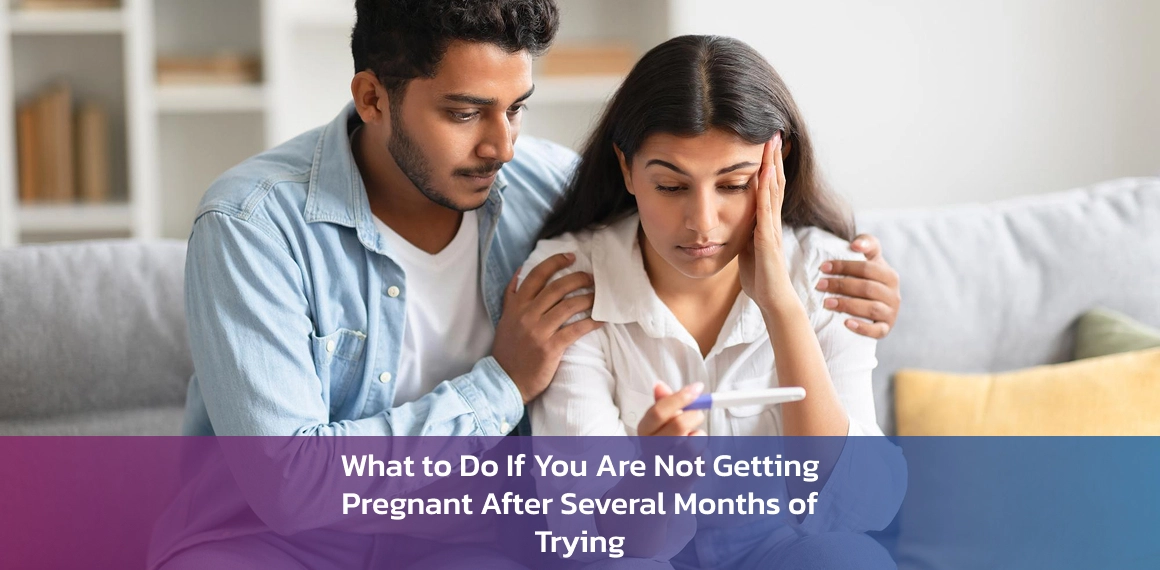
Trying to conceive often starts with small rituals, marking calendars, noticing body changes, imagining “maybe this month.” In the beginning, waiting feels hopeful. But when weeks turn into months and the test is still negative, that hope can quietly shift into confusion, self-doubt, and emotional exhaustion.
If you’re not pregnant after months trying, it’s easy to wonder if you’re doing something wrong. The truth is, fertility doesn’t follow a straight line, and delays are far more common than most people realize.
According to the World Health Organization, around 17.5% of the adult population, roughly 1 in 6 worldwide, experience infertility at some point in their lives. In Europe, similar rates apply, with lifetime infertility prevalence estimated at around 16 to 18% in high-income countries, including those in the European region. In Switzerland, doctors estimate that about 15% of couples, roughly 1 in 7, are affected by infertility.
At Plusbaby, we meet women and couples every day who are navigating this exact phase: asking what to change, what to wait for, and when to seek help. This guide was created to bring clarity without overwhelm.
Here, you’ll learn why pregnancy may take longer, discover what to do if not pregnant after trying, and understand when medical support becomes helpful, all explained simply, gently, and without pressure.
Because the goal isn’t panic or perfection. It’s informed, supported progress, one step at a time.
Table of Contents
ToggleThe word infertility can sound heavy and frightening, but medically, it doesn’t mean never. It simply means that pregnancy hasn’t happened yet, despite regular attempts over a certain period of time.
According to the World Health Organization, infertility is defined as a disease of the male or female reproductive system characterized by the failure to achieve a pregnancy after 12 months or more of regular unprotected sexual intercourse. The word infertility can sound heavy and frightening, but medically, it does not mean never. It simply means that pregnancy has not happened yet, despite regular attempts over a certain period of time.
Infertility is defined differently depending on age because fertility naturally changes over time. In general, for women under 35, infertility is considered when pregnancy has not occurred after 12 months of trying. For women 35 and above, this timeframe shortens to 6 months, due to age-related changes in egg quality and quantity.
If you are not pregnant after months trying, it does not automatically mean infertility. Many couples conceive later than expected, especially when ovulation timing, stress levels, or nutrition were not fully aligned earlier. It is also important to know that infertility is not always permanent. Some people conceive naturally after lifestyle adjustments, cycle tracking, or nutritional support, while others need medical guidance. In some cases, doctors identify unexplained infertility after 1 year, where tests appear normal, but pregnancy has not occurred yet.
What matters most is understanding that infertility is a medical description, not a personal failure. It is a signal to pause, reassess, and choose the next step, calmly and informed.
If you’re looking for practical ways to move forward, you can also explore how to get pregnant naturally by understanding timing, lifestyle changes, and supportive fertility habits that improve your chances over time.
There are many overlapping factors that can delay pregnancy, and in most cases, it is not just one single issue. Understanding these reasons helps remove self-blame, brings clarity, and allows you to take the right next steps instead of guessing.
According to medical research, female infertility accounts for about one-third of infertility cases, with male factors contributing another third, and the remaining cases involving both partners or unexplained causes. Common causes in women include ovulation disorders, which account for 25 to 40 percent of cases, tubal factors in 20 to 35 percent, and uterine or cervical issues in others.
Ovulation does not always happen regularly, even if periods seem normal. Some women ovulate late, skip cycles, or release eggs that are not strong enough for fertilization. If ovulation timing is off by even a few days, pregnancy can be missed entirely for that cycle. Polycystic ovary syndrome, or PCOS, is the most common cause of ovulation disorders, affecting hormone balance and leading to irregular cycles in many women.
If your cycles feel unpredictable, it can help to understand getting pregnant with irregular periods and how fertility timing works, especially when ovulation does not follow a consistent pattern.
Common ovulation-related issues and what they mean
| Ovulation issue | What’s happening in the body | How it affects conception |
| Irregular ovulation | Ovulation timing changes each cycle | Hard to predict fertile window |
| Delayed ovulation | Egg released later than expected | Fertile days may be missed |
| Anovulation | Ovulation doesn’t occur | Pregnancy cannot happen in that cycle |
| Short luteal phase | Progesterone drops too early | Implantation becomes difficult |
| Hormonal disruption | Estrogen–progesterone imbalance | Egg quality and timing affected |
These ovulation challenges are one of the most common reasons women feel not pregnant after months of trying, even when intercourse is regular.
Hormones guide ovulation, fertilization, and implantation. Conditions such as thyroid disorders, insulin resistance, or PCOS treatment not getting pregnant challenges can interfere with these processes. Even mild imbalances may quietly affect cycle regularity and uterine readiness. For example, hyperprolactinemia, or high prolactin levels, can disrupt ovulation by suppressing necessary hormones.
Fertility changes gradually with age, and female infertility at age 30 plus becomes more common due to natural declines in egg quantity and quality. This doesn’t mean pregnancy isn’t possible, it may simply take more time and precise support.
Many women search for answers about low levels of Anti-Müllerian Hormone (AMH) and how to get pregnant after fertility testing. Low AMH reflects egg quantity rather than quality. While it may reduce the number of eggs available, many women still conceive with proper timing and care. AMH testing helps assess ovarian reserve, but it is just one factor among many.
Chronic stress, poor sleep, irregular routines, and nutritional gaps can interfere with hormone communication in the body. Over time, this can disrupt ovulation and implantation, especially when trying for several months.Studies indicate that high stress levels can alter cortisol and reproductive hormones, potentially delaying conception.
Sometimes all medical tests appear normal, yet pregnancy still does not occur. This is known as unexplained infertility after 1 year. While emotionally draining, it often responds well to lifestyle alignment, timing improvements, and supportive fertility care. Unexplained cases make up about 15 to 30 percent of infertility diagnoses.
In many cases, nutritional gaps play a silent role, which is why understanding the role of dietary supplements in fertility can help support hormone balance and reproductive health more effectively.
When pregnancy doesn’t happen after months of trying, it’s easy to feel stuck or unsure about what to change next. If you’re not pregnant after months trying, the focus shouldn’t be extreme measures, it should be intentional, consistent actions that support fertility from multiple angles.
These are realistic, evidence-based steps if not pregnant after trying, designed to work with your body over time.
Many couples believe ovulation happens on the same day every cycle, but ovulation can shift due to stress, travel, illness, sleep changes, or hormonal fluctuations. Even a small shift can result in missing the fertile window entirely.
If you’re dealing with ovulation problems trying to conceive, focus on having intercourse during the 4–5 days before ovulation and the ovulation day itself. Trying too early or too late in the cycle, even regularly, may not lead to pregnancy. Correcting timing alone often becomes the first breakthrough for couples who can’t get pregnant after several months.
If you begin noticing symptoms and aren’t sure whether your period is approaching or pregnancy may have occurred, our guide on Period vs. Pregnancy Symptoms: How to Identify the Differences Before Testing explains the early differences to watch for.
Relying on only one tracking method can be misleading. For clearer insight, combine:
Tracking consistently helps you understand your body’s patterns and identify irregularities. These are some of the most effective trying to conceive tips after months of uncertainty, and they also provide valuable information if medical guidance is needed later.
Lifestyle habits have a direct impact on hormone balance, ovulation quality, and implantation. To improve fertility naturally, women focus on steady, realistic changes rather than perfection:
These changes may seem small, but over time, they significantly influence fertility outcomes.
For women seeking gentle, holistic support, learning how to prepare your body for pregnancy naturally can be a helpful starting point alongside medical and nutritional guidance.
Even with a healthy diet, fertility-related nutrient gaps are common, especially during prolonged trying. Targeted supplementation helps provide consistent nutritional support.
For women, fertility supplements for women support ovulation, hormone balance, and egg quality. Options like +fertiWomen Inositol are especially helpful for cycle regularity and insulin sensitivity, while Vegan Multivitamins for women’s fertility supply key nutrients such as folate, vitamin D, iron, iodine, and B-complex vitamins.
These are particularly important for female infertility age 30 plus or PCOS-related challenges.
For men, fertility health is equally important. Sperm quality, count, and motility depend heavily on nutrition and lifestyle. +fertiMen and Vegan Multivitamins for male fertility are designed to support sperm health with zinc, selenium, antioxidants, and micronutrients that protect sperm DNA.
Supporting both partners together often improves results faster than focusing on women alone.
If you prefer a structured approach, following a one-month fertility support plan with inositol, maca, and essential vitamins can help support ovulation and overall reproductive balance.
Some everyday habits quietly interfere with reproductive hormones and fertility health. Reducing or eliminating the following can make a noticeable difference over time:
These habits can disrupt cycle regularity, ovulation quality, and implantation, especially if you’re not pregnant after months of trying despite regular efforts.
Following a pregnancy-friendly diet that focuses on nutrient-dense foods while avoiding common triggers can support both fertility and early pregnancy health.
This step is often the hardest emotionally. Egg and sperm development take around 90 days, which means changes made today won’t show immediate results. Many couples feel discouraged too early and switch approaches too often.
Giving your body time to respond is one of the most overlooked yet powerful steps if not pregnant after trying. Consistency matters more than speed. Fertility improvements often happen quietly before they become visible.
These are not quick fixes; they are steady, supportive steps that help your body move toward balance. When fertility is supported consistently and without pressure, progress often follows naturally.
Knowing when to see a doctor for fertility issues can ease anxiety and prevent unnecessary delays. Seeking help doesn’t mean jumping straight to treatment; it often means getting clarity.
You should consider medical guidance if:
Early evaluation doesn’t automatically mean IVF. Many people worry about IVF costs after months of trying, but most consultations focus on basic testing, timing guidance, and lifestyle or hormonal support first.
In many cases, seeing a specialist simply brings reassurance, structure, and a clearer path forward.
If you feel it’s time for professional guidance, consulting a trusted gynecologist in Switzerland can help you get clarity, reassurance, and a personalized fertility plan.
If you’re not pregnant after months of trying, it does not mean your body has failed.
Fertility is influenced by many moving parts, including timing, age, hormones, nutrition, lifestyle, and emotional well-being, and they don’t always align instantly.
Understanding what to do if not pregnant after 6 months, making small but consistent changes, and knowing when to see a doctor for fertility issues helps you move forward with confidence instead of fear. Progress in fertility is rarely loud or immediate; it often happens quietly, cycle by cycle.
At Plusbaby, we believe fertility support should feel empowering, not overwhelming. Thoughtfully chosen options like a high-quality fertility supplement for women can support your body alongside healthy routines and medical guidance when needed, but they are just one part of a bigger, supportive picture.
Be gentle with yourself. You’re not behind, broken, or alone. Sometimes the most meaningful progress begins the moment you stop blaming yourself and start supporting your body with patience and care.
Question: Is it normal to try for 3 months and still not get pregnant?
Answer: Yes, it’s completely normal. Many healthy couples are not pregnant after months trying, especially within the first 3 months. Pregnancy depends on ovulation timing, hormone balance, and overall health, and even with perfect timing, conception doesn’t happen every cycle. Three months is still considered an early and normal phase of trying.
Question: Why am I not getting pregnant after so many tries?
Answer: There isn’t always one single reason. Common causes include ovulation problems, trying to conceive, hormonal imbalances, stress, nutritional deficiencies, or age-related changes. Sometimes everything appears normal, yet pregnancy still takes time. Being unable to get pregnant after several months does not automatically mean infertility; it often means small adjustments are needed.
Question: How many months of trying is considered infertile?
Answer: Medically, infertility is defined as 12 months of trying for women under 35 and 6 months of trying for women aged 35 and above. If you’re wondering what to do if not pregnant after 6 months, age is an important factor in deciding when to seek medical advice.
Question: Is 6 months a long time to not get pregnant?
Answer: Emotionally, it can feel long, but biologically it’s still common, especially for women over 30. However, if you’re over 35 and not pregnant after months of trying, doctors often recommend earlier evaluation due to infertility causes in women over 35, such as changes in egg quality.
Question: How can I increase the chance of getting pregnant?
Answer: You can improve your chances by rechecking ovulation timing, tracking cycles consistently, reducing stress, improving sleep, and following balanced nutrition. These trying to conceive tips after months help improve fertility naturally for women without rushing into medical treatments.
Question: What vitamins help with fertility?
Answer: Important essential vitamins for women’s fertility include folate, vitamin D, iron, B-complex vitamins, iodine, and antioxidants. Many women benefit from a high-quality fertility supplement for women, especially when diet alone isn’t enough. These nutrients support ovulation, egg quality, and hormone balance, particularly helpful when you’re not pregnant after months of trying.
Question: What are the signs of infertility in women?
Answer: Signs of infertility in women may include irregular or absent periods, painful menstruation, hormonal changes like acne or excessive hair growth, or a history of pelvic infections. However, many women show no obvious signs, and not getting pregnant after months trying could be due to subtle factors. A medical evaluation, such as hormone tests or ultrasound, is the best way to confirm any issues.
Question: Can stress cause infertility?
Answer: Yes, chronic stress can contribute to infertility by disrupting reproductive hormones, delaying ovulation, or affecting implantation. Studies show that high cortisol levels from stress may reduce fertility chances, especially if you are not pregnant after months trying. Managing stress through relaxation techniques, exercise, or therapy can help improve conception odds.
Question: What tests are done for infertility?
Answer: Common infertility tests include hormone blood tests to check levels like FSH, LH, and AMH; semen analysis for men; ultrasound to examine the uterus and ovaries; and hysterosalpingography to check fallopian tubes. If you are dealing with unexplained infertility after 1 year, these tests help identify causes and guide next steps.
Question: Is it possible to get pregnant with low AMH?
Answer: Yes, it is possible to get pregnant with low AMH levels, as AMH indicates egg quantity but not necessarily quality. Many women with low AMH conceive naturally or with support like timed intercourse, lifestyle changes, or fertility treatments. Proper medical guidance is key if low AMH is a factor in not getting pregnant after months trying.
Question: What lifestyle changes can improve fertility?
Answer: Lifestyle changes that can improve fertility include maintaining a healthy weight, quitting smoking, limiting alcohol and caffeine, eating a nutrient-rich diet, and exercising moderately. These adjustments support hormone balance and reproductive health, often helping couples who are not pregnant after months trying to conceive more effectively.
Table of Contents
ToggleAcheter les produits de cet article

I am Magali Russell, the founder of Plusbaby. With over 15 years of experience in research and development, I created and led a preclinical research organisation that conducted rigorous scientific studies on numerous products.The moving stories of women and couples struggling with infertility left a lasting impression on me. This is how I found my calling in life: helping others become parents by offering them genuine support.
Convinced of the benefits of natural products, I created Plusbaby: vegan dietary supplements, developed in Switzerland, combining proven science and pure, premium, additive-free ingredients to boost fertility naturally.
Continue reading