NEW FORMULAS + EXCLUSIVE LAUNCH OFFER: Buy 3 products → GET 1 FREE + FREE shipping!

NEW FORMULAS + EXCLUSIVE LAUNCH OFFER: Buy 3 products → GET 1 FREE + FREE shipping!


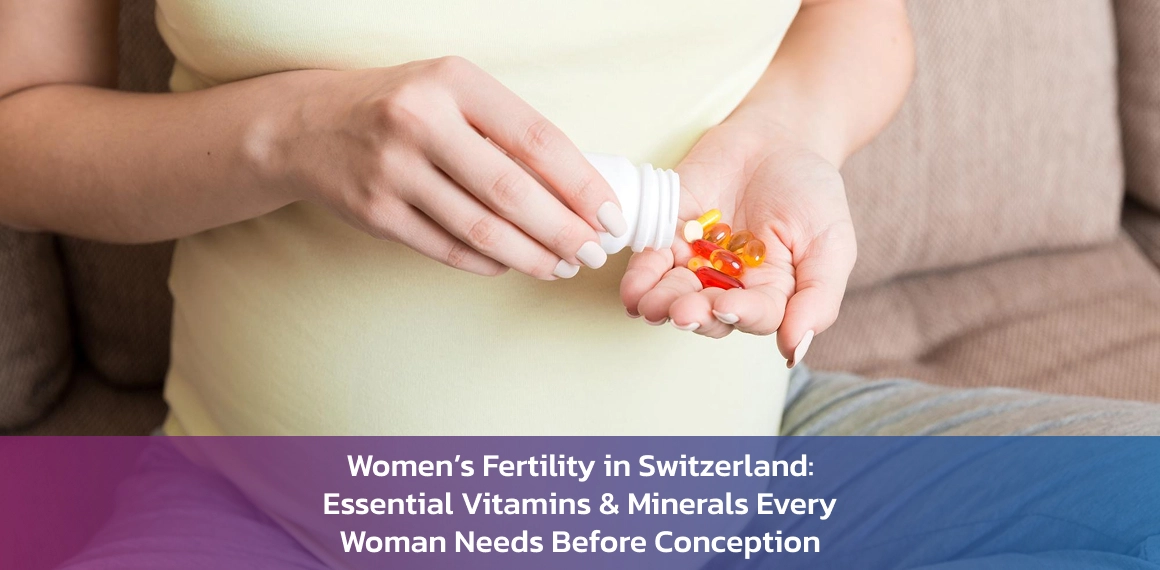
Preparing your body before pregnancy is something I’ve learned not to rush. Through my own experience and through working closely with women at Plusbaby, I’ve seen that fertility support starts long before ovulation.
It begins with daily nourishment, consistency, and care.
Research shared via PMC (PubMed Central) shows that 64% of pregnant women and 54% of lactating women use prenatal supplements, highlighting an important truth: even with balanced lifestyles, nutritional gaps are common.
That’s why conversations around women’s fertility in Switzerland today focus more on preparation than pressure.
Across cities like Zurich, Lausanne, Geneva, and Bern, many women choose fertility supplements for women as part of mindful preconception care in Switzerland. When selected thoughtfully, the right nutrients can support cycle balance, egg quality, and early pregnancy.
This guide is all about women’s fertility, clearly explaining the essential vitamins and minerals your body needs before conception, and how to support your fertility naturally with confidence and clarity.
Women’s fertility depends on a balanced interaction between hormones, nutrient levels, lifestyle, stress, and age. Even with regular cycles, subtle nutrient deficiencies can affect egg quality and implantation, which is why women’s fertility supplements are often recommended before trying to conceive.
Across women’s fertility in Switzerland clinics, low levels of vitamin D, iron, iodine, and folate are commonly seen, especially during winter months. Identifying and correcting these gaps early helps support hormonal balance, improve egg health, and prepare the body more effectively for pregnancy.
Understanding timing is essential, and using a pregnancy test calculator to determine the best time can help reduce uncertainty during the early stages of trying to conceive.
Vitamins and minerals are fundamental to female fertility. They help regulate hormones, support ovulation, improve egg quality, and protect reproductive cells from oxidative stress. Even women with regular menstrual cycles may experience fertility challenges if certain nutrients are lacking.
Modern diets, stress, and seasonal factors can make it difficult to meet fertility-related nutrient needs through food alone. This is why many women choose prenatal vitamins for fertility to support their bodies. When combined with a balanced diet, essential fertility minerals women need help women create a healthy internal environment for conception, especially when following preconception vitamins that Swiss healthcare professionals recommend.
If you’re unsure which supplements to choose, this article on prenatal vitamins and why they are so important before pregnancy explains how to find the best option for your needs.
Before looking at individual vitamins in detail, it helps to understand how each one supports fertility in a different way. Together, these vitamins work to support hormone balance, egg development, and early pregnancy preparation.
| Vitamin | Role in fertility | Recommended food sources |
| Folate (Vitamin B9) | Supports DNA synthesis, egg quality, and early embryo development | Leafy greens, lentils, chickpeas, asparagus, citrus fruits |
| Vitamin D | Supports hormone balance, ovulation, and implantation | Fatty fish, egg yolks, fortified dairy, and sunlight exposure |
| Vitamin B12 | Supports egg development and menstrual cycle regulation | Eggs, dairy products, fish, meat, fortified plant foods |
| Vitamins C & E | Protect egg cells from oxidative stress | Berries, citrus fruits, nuts, seeds, bell peppers |
Folate plays a critical role in cell division and early fetal development. Swiss health guidance emphasizes the correct folic acid fertility in Switzerland dosage, ideally started before conception. Many Swiss prenatal vitamins and fertility formulas include bioavailable folate forms to improve absorption.
For women focusing on folate intake, this guide on choosing a bioavailable 5-MTHF folic acid formulation explains why the right form matters before pregnancy.
Low sunlight exposure makes vitamin D fertility women Switzerland a common concern. Vitamin D supports ovulation, immune balance, and implantation, and deficiencies are frequently identified during fertility assessments.
Vitamin B12 works alongside folate to support egg quality and reduce homocysteine levels. It is particularly important for women to follow a vegetarian or vegan diet before pregnancy Switzerland plans.
These antioxidants protect eggs from oxidative damage and support reproductive longevity, complementing the best vitamins to get pregnant approaches.
Minerals are just as important as vitamins when it comes to fertility preparation. They support hormone signaling, oxygen transport, thyroid function, and stress regulation, key systems involved in ovulation and cycle health.
| Mineral | Role in fertility | Recommended food sources |
| Iron | Supports oxygen transport and overall reproductive health | Red meat, spinach, lentils, beans, fortified cereals |
| Zinc | Supports ovulation, hormone production, and egg maturation | Pumpkin seeds, nuts, eggs, seafood, whole grains |
| Magnesium | Supports stress regulation and cycle stability | Nuts, seeds, whole grains, leafy greens, dark chocolate |
| Selenium | Supports thyroid function and hormone balance | Brazil nuts, eggs, fish, sunflower seeds |
Iron supplementation causes a lot of digestive issues and colic in newborns who are breastfed. Expand by talking about more gentle and easy absorption of iron, such as Iron digestive issues and colics in newborns who are breastfed. Expand by talking about more gentle and easy absorption of iron, such as Iron digestive issues and colics in newborns who are breastfed. Expand by talking about more gentle and easy absorption of iron, such as Iron bisglycinate.
Strong research highlights zinc for female fertility in Switzerland, as zinc plays a key role in hormone regulation, egg quality, and immune balance.
Magnesium helps regulate stress hormones, supports better sleep, and contributes to stable menstrual cycles, particularly helpful for women managing high stress.
Selenium supports healthy thyroid function, which directly influences ovulation and cycle regularity, making it a core part of the essential fertility minerals women require.
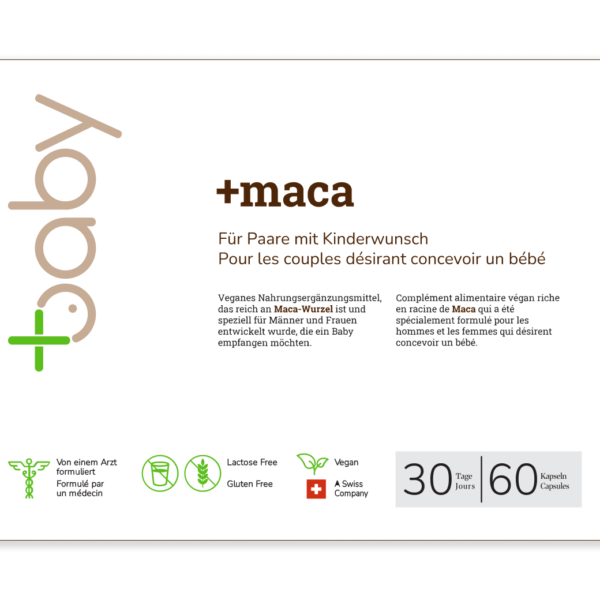
For couples exploring natural fertility support, this guide on where Swiss couples buy quality maca supplements in Lausanne and Bern offers helpful insights into sourcing trusted, fertility-focused options.
Omega-3 fatty acids play an important role in preparing the body for conception by supporting both hormonal and reproductive health. These healthy fats help improve the quality of egg cells, support healthy blood flow to the uterus, and contribute to a more balanced inflammatory response.
Many fertility specialists recommend omega-3 fertility supplements in Switzerland as part of a well-rounded preconception nutrition plan, especially for women who do not consume enough fatty fish.
Omega-3 fatty acids support fertility by:
Women following fertility nutrition in Geneva, Switzerland, guidance are often encouraged to combine omega-3 intake with antioxidant-rich nutrients, such as vitamins C and E.
This combination helps protect reproductive cells, supports implantation, and creates a more favorable environment for early pregnancy.
Alongside supplementation, these practical tips on how to increase your chances of getting pregnant naturally can support overall fertility health.
Choosing the right fertility supplement is an important part of preconception care. Not all products are formulated specifically for fertility, so ingredient quality and balance matter.
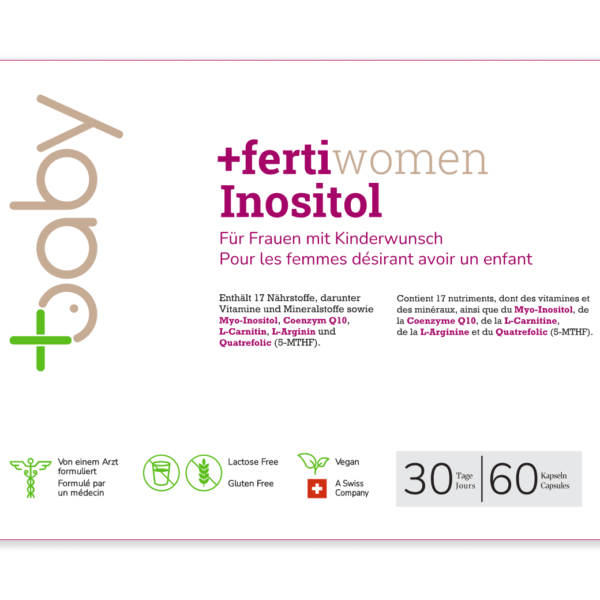
Many women in Switzerland prefer trusted options like PlusBaby fertility supplements for women, vegan capsules with inositol and 5-MTHF, formulated by Swiss doctors, for their clean formulation and local clinical oversight.
What to check on supplement labels:
Swiss quality and safety considerations:
For personalized guidance, it’s always recommended to consult experienced specialists, this list of the best gynaecologist doctors in Switzerland can help you find trusted fertility care.
Most healthcare professionals recommend starting vitamins before pregnancy in Switzerland at least three months before trying to conceive. This timeframe allows the body to replenish nutrient stores and supports the full egg development cycle.
Using the best vitamins for egg quality in Switzerland consistently during this period helps support healthier ovulation, balanced hormones, and more favorable early embryo conditions.
As couples begin trying to conceive, it’s also common to watch for early signs of pregnancy. Because these symptoms can sometimes resemble premenstrual changes, our guide on Period vs. Pregnancy Symptoms: How to Identify the Differences Before Testing explains how to recognize the differences before taking a test.
Over-supplementation and dosage errors
Taking multiple supplements at the same time without guidance can lead to nutrient overload and imbalances. This is why structured preconception care Switzerland plans are recommended, helping women supplement safely and effectively.
Ignoring individual fertility needs
Fertility nutrition is not one-size-fits-all. Age, lifestyle, diet, stress levels, and medical history all influence nutrient requirements. Choosing the right Swiss prenatal vitamins and fertility products should always be based on personal needs rather than trends.
A healthy diet is the foundation of fertility, but it may not always meet the body’s increased nutritional needs before conception. Seasonal changes, food quality, stress, and absorption differences can all affect how much nutrition the body actually receives.
This is why many women combine whole foods with women’s fertility supplements. Using prenatal vitamins for fertility before pregnancy helps provide steady nutrient support during the months when egg quality is developing.
| Factor | Diet alone | Diet + fertility supplements |
| Nutrient intake | Varies daily | Consistent and reliable |
| Fertility-focused nutrients | May be incomplete | Targeted support |
| Egg quality preparation | Gradual | Supports development earlier |
| Seasonal deficiencies | Common (e.g., vitamin D) | Better coverage year-round |
| Ease of meeting needs | Requires strict planning | Simpler and more balanced |
For most women, combining a nutrient-rich diet with well-chosen supplements offers the most effective preconception support.
If you’re considering maca libido as part of your fertility routine, this comparison of red vs black maca for fertility for Swiss couples trying to conceive can help you choose the most suitable option.
Preparing for pregnancy is a personal journey, and the right nutritional support can make that journey feel calmer and more confident. Focusing on quality, consistency, and ingredients that truly support fertility is far more important than doing everything at once.
Plusbaby fertility supplements for women are designed with this philosophy in mind, offering clean, vegan capsules with inositol and 5-MTHF, thoughtfully formulated by Swiss doctors to support women’s fertility before conception in a gentle, balanced way.
Question: What vitamins should a woman take before getting pregnant?
Answer: Before pregnancy, women commonly benefit from folate (or 5-MTHF), vitamin D, vitamin B12, iodine, iron, zinc, and omega-3 fatty acids. These nutrients support hormone balance, egg quality, and early pregnancy development when started during the preconception phase.
Question: Which vitamin is best for female fertility?
Answer: There is no single “best” vitamin, but folate (5-MTHF) and vitamin D are considered foundational for female fertility. Along with inositol and essential minerals, they help support ovulation, egg quality, and hormonal balance.
Question: What helps boost women’s fertility?
Answer: Women’s fertility is supported by balanced nutrition, stress management, good sleep, gentle movement, and consistent preconception supplementation. Targeted fertility vitamins and minerals help create a healthier environment for conception.
Question: What is the best pre-pregnancy vitamin?
Answer: The best pre-pregnancy vitamin is one designed specifically for fertility support rather than general pregnancy. PlusBaby fertility supplements for women, formulated by Swiss doctors with vegan capsules containing inositol and 5-MTHF, are created to support women naturally during the preconception stage.