NEW FORMULAS + EXCLUSIVE LAUNCH OFFER: Buy 3 products → GET 1 FREE + FREE shipping!

NEW FORMULAS + EXCLUSIVE LAUNCH OFFER: Buy 3 products → GET 1 FREE + FREE shipping!


Starting a pregnancy journey often begins with excitement, hope, and a simple thought: “Let’s try.” But behind that moment, your body, both of you, is preparing in ways you may not see. Understanding male and female fertility factors helps turn guesswork into confidence.
At Plusbaby , we believe fertility is a shared story. It’s shaped by hormones, age, lifestyle, nutrition, and daily habits in both partners. When couples understand the fertility factors for couples trying to conceive, they can support their bodies early, often before challenges appear. With the right knowledge and supportive care, including fertility supplements for women and fertility supplements for men , the journey becomes calm, clearer, and more connected.
This guide explains what affects fertility in men and women and how couples can approach conception together, with awareness, balance, and confidence.
Fertility works best when both partners are healthy and in sync. Conception depends on several connected factors, not just one person or one system.
For pregnancy to occur, couples need:
Many couples don’t realize that male vs female infertility causes contribute almost equally. In most cases, what causes infertility in couples is a combination of factors, such as age, hormonal imbalance, and lifestyle factors affecting fertility, rather than a single diagnosis.
Understanding male and female fertility factors together helps couples take a proactive, balanced approach and creates a healthier, less stressful path to conception.
Preparing early makes a difference, especially when following a guide on how to prepare your body for pregnancy naturally.
Fertility is influenced by shared biological, hormonal, and lifestyle factors in both women and men. Understanding these common factors helps couples support each other and improve their chances of conceiving naturally.
Female reproductive health plays a vital role in conception, pregnancy, and fetal development. A woman’s body prepares the foundation for pregnancy, from releasing a healthy egg to supporting implantation and early growth. Because of this, several female fertility factors directly influence the ability to conceive naturally and maintain a healthy pregnancy.
Understanding these factors affecting fertility in women helps couples identify potential challenges early and take supportive steps before trying to conceive.
Age and ovarian reserve
Age is one of the most important female fertility factors. A woman is born with a limited number of eggs, and both egg quantity and quality decline over time. Fertility typically starts to decrease in the early 30s and drops more noticeably after 35, increasing the risk of delayed conception.
This makes age and fertility in men and women a key consideration for couples planning pregnancy later in life, especially when combined with other infertility risk factors for couples.
Menstrual cycle and ovulation health
A regular menstrual cycle often signals healthy ovulation. Irregular cycles, missed periods, or very painful menstruation may point to ovulation disorders, common female infertility causes that can make conception unpredictable or difficult.
Tracking cycle length and ovulation patterns is often the first step in identifying fertility concerns in women.
Hormonal balance
Hormones such as estrogen, progesterone, FSH, and LH control ovulation, egg release, and uterine readiness. When these hormones fall out of balance, ovulation may not occur regularly, and implantation can be affected.
Hormonal imbalance is a frequent contributor to causes of infertility in men and women, especially when combined with stress, nutritional gaps, or underlying medical conditions.
Conditions affecting female fertility
Certain medical conditions are well-known female infertility causes and should never be ignored. These conditions can interfere with ovulation, egg quality, or implantation.
| Condition | How it affects fertility |
| PCOS | Disrupts ovulation and hormone balance |
| Endometriosis | Affects implantation and pelvic health |
| Thyroid disorders | Impacts the menstrual cycle and hormones |
| Fibroids | May interfere with implantation or pregnancy |
These conditions are significant infertility risk factors for couples, especially if diagnosis or treatment is delayed.
Uterine and fallopian tube health
Healthy fallopian tubes allow sperm and egg to meet, while a healthy uterus supports implantation. Blocked tubes, scar tissue, or uterine abnormalities can prevent fertilization or implantation altogether.
These are often overlooked factors affecting fertility in women, particularly in women with a history of pelvic infections, surgery, or inflammation.
Lifestyle factors impacting female fertility
Everyday habits play a powerful role in reproductive health. Poor sleep, chronic stress, smoking, excessive alcohol intake, lack of exercise, and nutrient deficiencies are major lifestyle factors affecting fertility.
Over time, these habits can quietly disrupt hormone balance, ovulation, and egg quality, making lifestyle awareness essential when discussing how to improve male and female fertility.
Nutritional needs can vary by region, and understanding women’s fertility in Switzerland helps tailor vitamin and mineral intake before conception.
Male reproductive health is a vital part of the conception journey and plays a direct role in whether fertilization occurs and embryos develop healthily. In many cases, male fertility factors contribute equally to conception challenges, yet they are often overlooked or identified later than female factors.
By understanding the factors affecting fertility in men, couples can address potential issues early and reduce shared infertility risk factors for couples.
Sperm count, motility, and morphology
Sperm quality is the foundation of male fertility. Even when sperm are present, their number, movement, and shape determine whether they can successfully reach and fertilize an egg.
Low sperm count, reduced motility, or abnormal morphology are among the most common male infertility causes. These issues are also leading factors affecting fertility in men and are usually detected through a routine semen analysis.
| Sperm factor | What it affects |
| Sperm count | Probability of sperm reaching the egg |
| Motility | Ability of sperm to swim efficiently |
| Morphology | Capacity to penetrate and fertilize the egg |
For those specifically looking to improve sperm movement, you can also check best sperm motility supplements in Switzerland, what actually works.
Testosterone and hormonal health
Hormones play a central role in sperm production and sexual function. Testosterone, along with FSH and LH, regulates sperm development and libido. When these hormones are out of balance, sperm production may decline, and conception can become more difficult.
Hormonal imbalances are a common but treatable contributor to male infertility causes and are closely linked to broader causes of infertility in men and women.
Impact of age on male fertility
While men produce sperm throughout life, sperm quality naturally declines with age. Older sperm are more likely to carry DNA damage, which can affect fertilization, embryo development, and pregnancy outcomes.
This makes age and fertility in men and women an important consideration for couples planning pregnancy later in life.
Lifestyle habits affecting sperm health
Every day choices significantly influence sperm quality. Smoking, alcohol intake, obesity, chronic stress, poor sleep, heat exposure, and nutritional deficiencies are major lifestyle factors affecting fertility in men.
Over time, these habits can disrupt hormone balance and reduce sperm health, becoming hidden yet powerful male infertility causes.
Common male fertility conditions
Certain medical conditions directly interfere with sperm production or transport. Varicocele, infections, past reproductive injuries, chronic illnesses, and long-term medication use are well-known male infertility causes.
When combined with female fertility challenges, these conditions play a major role in what causes infertility in couples worldwide.
Fertility testing is not a sign that something is “wrong”—it’s a proactive step toward understanding your reproductive health. If pregnancy does not occur after 12 months of trying (or after 6 months if the woman is over 35), fertility evaluation is usually recommended.
Testing helps identify male vs female infertility causes early and often reveals that what causes infertility in couples is a combination of factors rather than a single issue. Early responses can reduce emotional stress, avoid unnecessary delays, and guide couples toward the right support.
Basic fertility assessments typically include:
Starting fertility testing early is one of the most effective ways to lower infertility risk factors for couples and create a clearer, more confident path toward conception.
If medical guidance is needed, consulting one of the best gynecologist doctors in Switzerland can help couples take the next step with confidence.
Think of nutrition as the foundation of your fertility journey. Before hormones balance and cycles align, your body needs the right building blocks to create healthy eggs and sperm. For many couples, nutrient gaps quietly become factors affecting fertility in men and women, often without obvious symptoms.
Targeted nutrition, along with a supportive food supplement for women, can help regulate hormones, improve egg and sperm quality, and protect reproductive cells from damage. This is why nutrition plays a key role in how to improve male and female fertility naturally.
Women’s bodies require specific nutrients to support ovulation, hormone balance, and early pregnancy. Prenatal vitamins are often recommended even before conception, as they prepare the body for pregnancy, not just after it begins.
Key nutrients that support female fertility include:
Together, these nutrients help address underlying female fertility factors and reduce common female infertility causes when taken consistently.
Key nutrients play a critical role in ovulation and egg health, as explained in our guide on the role of vitamins in women’s fertility.
Male fertility is strongly influenced by nutrition. Sperm production, movement, and structure all depend on adequate nutrient intake. Poor diet and oxidative stress are major male infertility causes worldwide.
Nutrients that support male reproductive health include:
These nutrients directly support factors affecting fertility in men and play a crucial role in overall sperm health.
Proper nutrition is essential for sperm quality, and specific nutrients are discussed in detail in our article on the role of vitamins in male fertility.
While food should always be the foundation, the role of dietary supplements helps fill nutritional gaps, especially during preconception. High-quality fertility-focused supplements are designed to support both partners together.
| Supplement | Designed for | Key support areas |
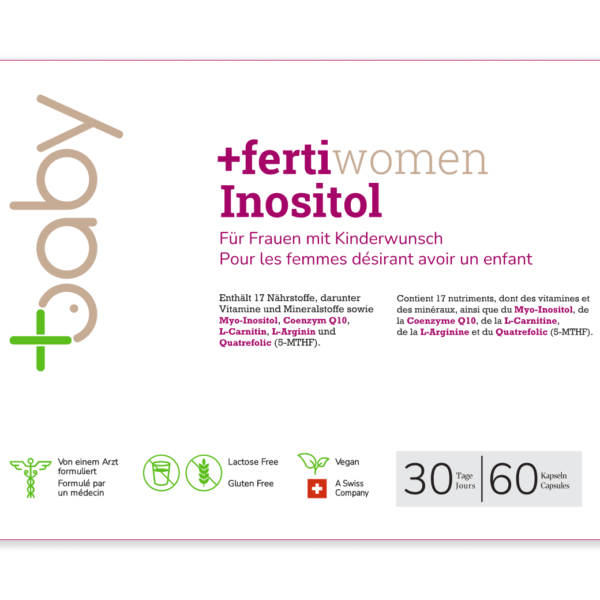
| +fertiwomen Inositol Vegan Multivitamins for Women’s Fertility | Women | Hormonal balance, ovulation support, egg quality |
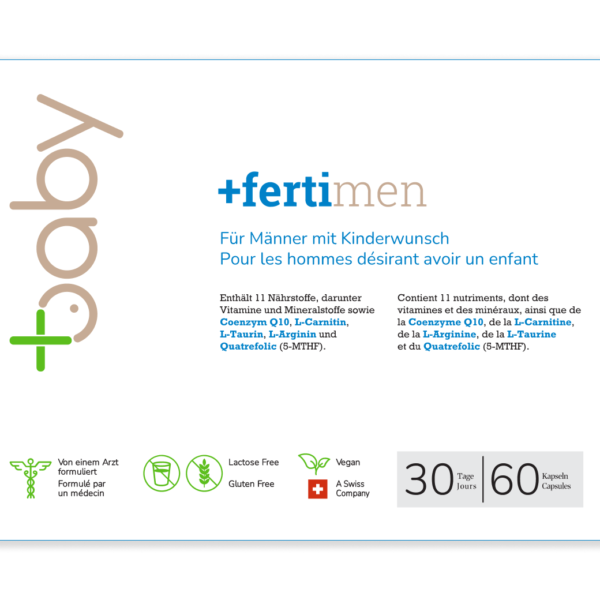
| +fertimen Vegan Multivitamins for male fertility | Men | Sperm count, motility, antioxidant protection |
These supplements are especially helpful for couples actively planning pregnancy and looking to support their fertility naturally.
Many women choose plant-based options, and selecting the best vegan prenatal vitamins can support fertility, pregnancy, and breastfeeding needs.
Oxidative stress can damage eggs and sperm at a cellular level, reducing fertility even when hormone levels appear normal. This damage is a hidden contributor to causes of infertility in men and women.
Antioxidants help:
Consistent antioxidant support is a key part of how to improve male and female fertility safely, especially when paired with healthy lifestyle habits.
Couples looking for a structured approach can follow a one-month fertility boost plan that includes Myo-Inositol, Maca, and essential fertility vitamins to support hormone balance and reproductive health.
Fertility is not about blame; it’s about awareness, teamwork, and proactive care. Understanding fertility factors for couples trying to conceive empowers both partners to take shared responsibility for their reproductive health.
By identifying factors affecting fertility in men, factors affecting fertility in women, and common infertility risk factors for couples, couples can make informed lifestyle and medical decisions together.
With the right guidance, supportive nutrition, and trusted solutions from Plusbaby , improving fertility becomes a collaborative and hopeful journey, one built on clarity, confidence, and care rather than stress or uncertainty.
Q1. What are the most common causes of infertility in men and women?
Answer: The most common causes of infertility in men and women include hormonal imbalances, poor sperm quality, ovulation disorders, age-related fertility decline, and lifestyle factors affecting fertility, such as stress, poor diet, smoking, and lack of sleep. In many cases, multiple factors exist at the same time rather than a single cause.
Q2. Is infertility more common in men or women?
Answer: Infertility affects men and women almost equally. Studies show that male vs female infertility causes contribute in similar proportions, which is why fertility evaluation and care should always involve both partners instead of focusing on just one.
Q3. What causes infertility in couples with no medical history?
Answer: When no clear medical condition is present, what causes infertility in couples is often linked to chronic stress, nutritional deficiencies, disrupted sleep, environmental exposure, or undiagnosed hormonal imbalances. These subtle issues can quietly affect fertility over time.
Q4. How do lifestyle habits affect fertility?
Answer: Lifestyle choices have a powerful impact on reproductive health. Smoking, alcohol consumption, obesity, chronic stress, poor sleep, and low physical activity are major lifestyle factors affecting fertility in both men and women, influencing hormone balance, egg quality, and sperm health.
Q5. Can improve fertility naturally?
Answer: Yes, fertility can often improve naturally with the right support. Focusing on balanced nutrition, stress management, healthy weight, regular sleep, and targeted supplementation plays a key role in how to improve male and female fertility safely and effectively.
Q6 : What are the best multivitamins for trying to conceive in 2026?
Answer: The best fertility supplements usually contain folate, vitamin D3, iron, omega-3s, Zinc, Selenium, and antioxidants that support reproductive health for both women and men. Read our complete guide on Best Multivitamins for Trying to Conceive in 2026.