NEW FORMULAS + EXCLUSIVE LAUNCH OFFER: Buy 3 products → GET 1 FREE + FREE shipping!

NEW FORMULAS + EXCLUSIVE LAUNCH OFFER: Buy 3 products → GET 1 FREE + FREE shipping!


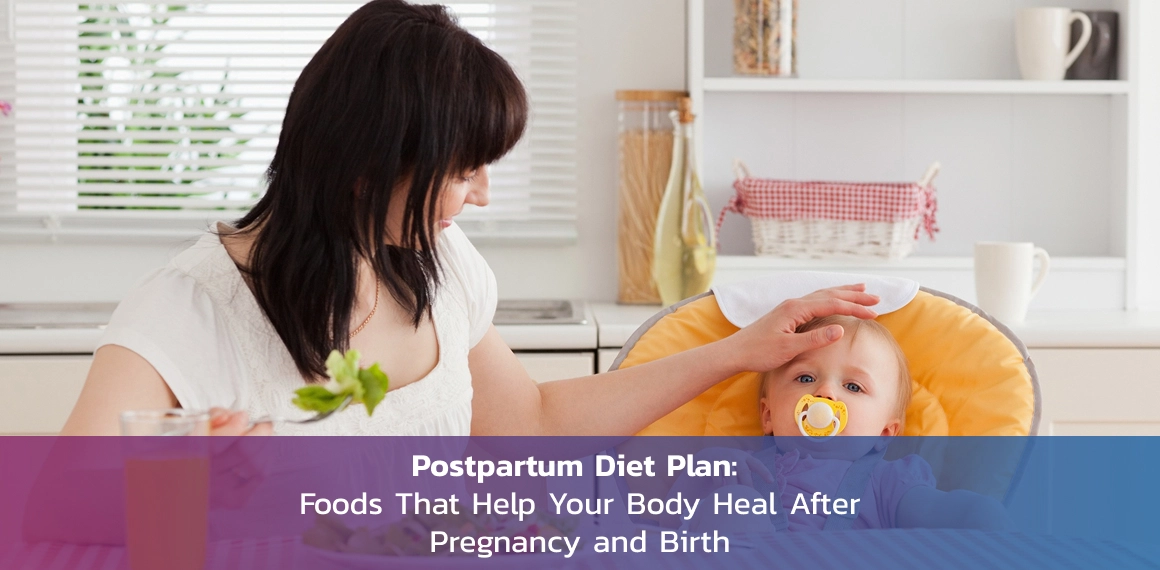
Giving birth doesn’t mean your body is “back to normal”; it means your body has just completed one of the most powerful transformations of your life. After pregnancy and birth, your body quietly begins healing wounds, balancing hormones, rebuilding strength, and, for many women, nourishing a newborn through breastfeeding.
This phase deserves care, patience, and the right food support. That’s where a thoughtful postpartum diet plan truly matters.
Whether you experienced a normal delivery or are following a diet after C section, what you eat now directly influences your energy, digestion, milk supply, emotional balance, and overall recovery.
This postpartum nutrition guide is created to simplify what your body needs after childbirth, without pressure or confusion. At Plusbaby, we believe postpartum care should feel supportive, not overwhelming.
Along with nourishing meals, the right fertility supplement for women can help restore key nutrients gently, supporting your body as it heals and adapts to this new chapter.
If you’re still preparing for delivery, you may also find our guide on a healthy pregnancy diet plan for a safe pregnancy helpful for understanding what to eat and avoid before childbirth.
After childbirth, your body enters a deep recovery phase. Hormone levels drop suddenly, the uterus begins contracting back to its original size, and muscles and tissues start repairing themselves. Blood loss during delivery can lead to fatigue, weakness, and low iron levels, making a nourishing diet after delivery essential for proper healing.
Along with physical recovery, many women experience changes that are rarely talked about openly. Hair fall, mood swings, digestive discomfort, and low energy are common during this period.
A balanced postnatal diet plan helps support both physical strength and emotional stability, especially during sleep-deprived weeks.
Common postpartum changes and how diet helps
| Common issue | Why it happens | How diet supports recovery |
| Fatigue and weakness | Blood loss and hormone shifts | Iron and protein restore energy |
| Hair fall | Sudden estrogen drop | Nutrient-rich foods support hair health |
| Mood swings | Hormonal imbalance | Healthy fats support emotional balance |
| Digestive issues | Slower digestion | Fiber and fluids improve gut health |
A well-planned postpartum recovery diet helps your body heal gently while restoring strength, balance, and confidence during early motherhood.
During pregnancy, the body goes through many physical and hormonal changes. If you want to understand how these changes develop throughout the journey, you can explore our pregnancy week-by-week guide that explains fetal development and body changes in detail.
This section forms the heart of a complete postpartum diet plan. After pregnancy and birth, your body is focused on healing tissues, restoring nutrients, and rebuilding strength. The foods you choose during this phase directly affect energy levels, digestion, immunity, and overall recovery.
A well-planned postpartum recovery diet provides steady nourishment without overwhelming your system, especially during the early weeks after delivery.
Instead of restrictive eating, the goal is to support healing through simple, wholesome meals that your body can easily absorb and use.
After childbirth, your body enters a phase of repair and replenishment. While calorie needs may increase slightly, the real focus of a healthy postpartum diet plan is nutrient density.
Every meal should help restore what pregnancy and birth have taken from your body while supporting energy, digestion, and hormonal balance.
Following a structured postnatal diet chart Indian or another culturally familiar plan makes these nutritional needs easier to meet. Traditional postpartum meals are often warm, nourishing, and gentle on digestion, qualities that align perfectly with the body’s natural healing process after birth.
Many of the nutrients required during postpartum recovery are the same ones needed during pregnancy, which is why understanding the role of vitamins in women’s fertility is important even after birth.
The postpartum phase is not the time for restrictive eating. Your body is actively repairing tissues, balancing hormones, rebuilding strength, and adapting to new physical demands like breastfeeding and lack of sleep.
Choosing the right foods to eat after delivery supports faster healing, better digestion, and stable energy throughout the day. A thoughtful postpartum diet plan focuses on nourishment rather than calorie counting.
Below are the key food groups that form the foundation of an effective postpartum recovery diet, along with practical food suggestions you can easily include in daily meals.
Protein-rich foods for tissue repair and strength
Protein plays a vital role in rebuilding muscles, repairing tissues, and healing wounds after childbirth. It is especially important for women recovering from stitches or following a diet after c section, where tissue repair is more intensive.
Regular protein intake also helps maintain stamina and supports immune function during early motherhood.
Recommended foods:
Dal and lentils, eggs, paneer, tofu, curd, sprouts, fish, chicken, lean meats
Iron-rich foods to restore energy and reduce fatigue
Blood loss during delivery can leave many women feeling weak and exhausted. Iron is essential for rebuilding hemoglobin levels and preventing postpartum anemia. Including iron-rich foods regularly is a core part of a balanced postpartum diet for recovery.
Pairing iron-rich foods with vitamin C sources improves absorption and speeds up recovery.
Recommended foods:
Spinach, beetroot, dates, jaggery, legumes, dried figs, pomegranate, chickpeas
Healthy fats for hormones and emotional balance
Hormonal shifts after birth can affect mood, focus, and emotional well-being. Healthy fats support hormone regulation and brain function while also helping absorb fat-soluble vitamins like A, D, E, and K.
Moderate intake of healthy fats helps keep meals satisfying and supports long-term recovery.
Recommended foods:
Almonds, walnuts, flaxseeds, sesame seeds, ghee, olive oil, mustard oil
Fiber-rich foods for digestion and gut health
Constipation and bloating are common after delivery due to hormonal changes, reduced movement, and pain medications. Fiber helps regulate digestion and supports gut healing as part of a gentle postpartum recovery diet.
Gradually increasing fiber intake along with fluids prevents discomfort.
Recommended foods:
Fresh fruits, cooked vegetables, oats, brown rice, whole wheat roti, millets
Postpartum recovery foods and their benefits
| Food group | Why it matters after delivery | How it supports recovery | Examples |
| Protein | Repairs muscles and tissues | Speeds healing and builds strength | Dal, eggs, paneer, fish |
| Iron | Replaces blood loss | Reduces fatigue and weakness | Spinach, dates, jaggery |
| Healthy fats | Supports hormones and the brain | Improves mood and nutrient absorption | Nuts, seeds, ghee |
| Fiber | Improves digestion | Prevents constipation and bloating | Fruits, vegetables, grains |
All these foods form the backbone of a nourishing postpartum diet plan, helping your body regain strength, stabilize digestion, and recover with confidence during the weeks after pregnancy and birth.
Folate-rich foods remain important after delivery, as explained in our detailed guide on folic acid for pregnancy and postpartum health, which supports tissue repair and overall recovery.
Postpartum recovery is not a single phase; it unfolds gradually as your body heals from pregnancy and birth. A structured postpartum diet plan helps your body recover at each stage by providing the right nutrients at the right time.
Whether you had a vaginal delivery or are following a diet after a c-section, eating according to your recovery timeline supports better digestion, stable energy levels, and long-term health.
This week-by-week approach focuses on gentle nourishment early on, followed by strengthening and sustained nutrition as your body regains balance.
First 1–2 weeks after delivery
The first two weeks are the most sensitive stage of postpartum recovery. Your body is healing from blood loss, uterine contractions, and tissue trauma while adjusting to major hormonal changes and interrupted sleep. Digestion is often slow, and appetite may fluctuate.
During this phase, your postpartum recovery diet should prioritize warmth, hydration, and easily digestible foods.
What to eat:
Khichdi, dal soup, vegetable broth, soft-cooked rice, stewed fruits, yogurt, lightly cooked vegetables, warm milk, cumin or fennel water
These foods help soothe digestion, prevent constipation, support hydration, and provide gentle energy without burdening the gut.
Weeks 3–6 postpartum
As healing progresses, energy levels gradually improve, and the body begins rebuilding muscle strength and nutrient stores. This stage is critical for restoring iron levels, supporting hormonal balance, and reducing postpartum fatigue. A well-balanced postpartum meal plan during this phase helps the body regain stamina and resilience.
What to eat:
Lentils, eggs, paneer, tofu, fish, chicken, leafy greens, whole grains, nuts, seeds, seasonal fruits, healthy oils
This is also the phase when many women notice hair fall or weakness, which can be eased with adequate protein, iron, and healthy fats.
2–3 months postpartum
By this stage, digestion is more stable, and the body shifts from active healing to restoring long-term reserves. Nutrition now supports consistent energy, emotional balance, and breastfeeding needs if applicable. A steady postpartum diet for recovery during this phase helps prevent burnout and nutrient depletion.
What to eat:
Balanced meals combining whole grains, vegetables, fruits, quality proteins, healthy fats, and sufficient fluids
This phase is ideal for building sustainable eating habits without restriction or pressure.
Beyond 3 months: long-term recovery nutrition
Postpartum recovery continues well beyond the early months. Long-term nourishment supports bone health, metabolism, immunity, and emotional well-being. A flexible and balanced postnatal diet plan focuses on consistency, variety, and nutrient adequacy rather than short-term fixes.
What to eat:
A diverse diet rich in fresh produce, whole grains, lean proteins, healthy fats, and seasonal foods
This stage lays the foundation for long-term health and complete recovery after pregnancy and birth.
While nourishing your body is the priority, it’s equally important to be aware of postpartum diet foods to avoid. Certain foods can slow digestion, increase inflammation, or worsen fatigue during the early weeks after childbirth.
Limiting these helps your diet after delivery stay gentle, healing, and sustainable.
Avoidance doesn’t mean permanent restriction. As digestion and energy levels improve, these foods can be gradually reintroduced in moderation, allowing your postpartum recovery diet to remain balanced and supportive of long-term health.
Food should always be the foundation of a healthy postpartum diet plan, but during postpartum recovery, some women may need additional nutritional support. Pregnancy, delivery, and breastfeeding can reduce key nutrient levels, making supplements helpful when paired with a balanced postpartum nutrition guide.
Iron supports recovery from blood loss and helps reduce fatigue, while calcium and vitamin D maintain bone strength and muscle function. Omega-3 fatty acids support brain health and emotional balance, and B-complex vitamins help sustain energy during demanding postpartum days.
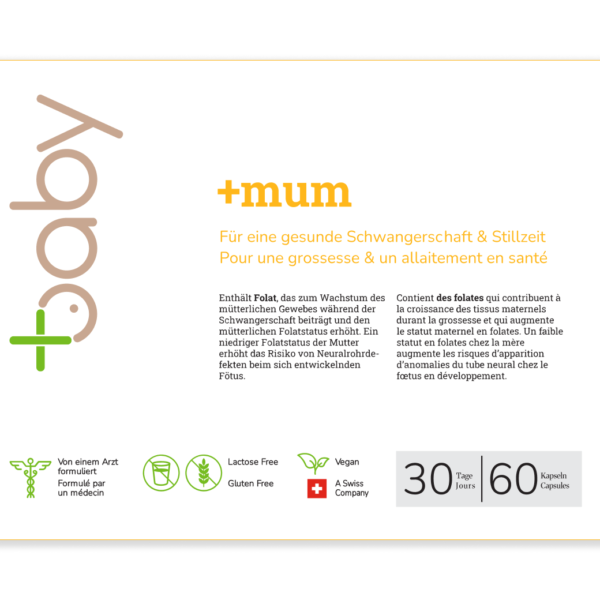
For women looking for a gentle, plant-based option, +mum Vegan Prenatal Vitamins can complement a nourishing diet by providing essential nutrients often needed after pregnancy, especially for vegetarian or vegan lifestyles.
Before starting any supplements, consult a healthcare provider, particularly if you’re breastfeeding, to ensure your postpartum recovery diet remains safe and personalized.
For mothers following a plant-based lifestyle, choosing the best vegan prenatal vitamins for pregnancy and breastfeeding can help bridge nutritional gaps during both pregnancy and postpartum recovery.
Your body has done something truly extraordinary. Healing after childbirth takes time, patience, and consistent nourishment. A well-structured postnatal diet plan is not about restriction or rushing recovery; it’s about restoration, balance, and long-term wellbeing.
By following a thoughtful postpartum diet plan, choosing the right foods to eat after delivery, and avoiding unnecessary dietary stress, you allow your body the space it needs to heal fully. Proper nutrition supports not only physical recovery but also energy, emotional balance, and confidence as you care for your baby.
At Plusbaby, we believe postpartum care should extend beyond pregnancy. Along with nourishing meals, the right fertility supplements for women can help gently replenish essential nutrients depleted during pregnancy and birth, supporting your body as it transitions into this new phase of motherhood.
Recovery is not a race. With the right nutrition, support, and self-care, your body will regain strength, one nourishing choice at a time.
Q1. What is the best postpartum diet plan for recovery?
Answer: The best postpartum diet plan focuses on healing and nourishment rather than quick weight loss. It should include protein for tissue repair, iron to restore blood loss, healthy fats for hormone balance, fiber for digestion, and adequate fluids to support energy and recovery.
Q2. What foods should I eat immediately after delivery?
Answer: In the first few days, choose warm, soft, and easy-to-digest foods to eat after delivery, such as khichdi, dal soup, vegetable broth, soft rice, cooked vegetables, fruits, and yogurt. These foods help support digestion and provide gentle energy.
Q3. Is the diet after C section different from normal delivery?
Answer: Yes. A diet after C-section should prioritize wound healing, digestion, and protein intake. Protein-rich foods, iron-rich meals, and fluids are important, while very spicy, fried, or gas-causing foods should be limited in the early recovery phase.
Q4. How long should I follow a postpartum recovery diet?
Answer: A structured postpartum recovery diet is especially important for the first 6–12 weeks after delivery. However, many women benefit from following a supportive postnatal diet plan for several months to fully restore strength and nutrient levels.
Q5. Are there any postpartum diet foods to avoid?
Answer: Yes. During early recovery, it’s best to limit postpartum diet foods, to avoid such as highly processed foods, excess sugar, fried items, and too much caffeine, as these can slow digestion and affect energy levels.
Q6. Do prenatal vitamins matter after pregnancy?
Answer: Yes. Research shows that prenatal nutrients continue to support recovery and breastfeeding, as explained in our article on the impact of +Mum vegan prenatal vitamins on breastfeeding.