10% off for life with subscription + Free Shipping 


10% off for life with subscription + Free Shipping


Trying to conceive can feel like waiting for a sign that never comes, especially when your periods don’t follow a calendar. One month, they arrive early, the next, they disappear altogether, leaving you wondering if your body is working against you.
If you’ve ever asked yourself, ” Can you get pregnant with irregular periods, you’re not alone. and you’re not broken.
Irregular cycles don’t mean fertility is lost. Many women are pregnant with irregular periods once they understand how irregular periods fertility really works.
Your body simply follows a different rhythm, and learning to recognize that rhythm can make a powerful difference when getting pregnant with irregular periods.
At Plusbaby, we believe fertility isn’t about perfection; it’s about nourishment, balance, and timing that respects your body.
In this guide, we’ll gently explain how to get pregnant with irregular periods, how ovulation happens during unpredictable cycles, and the practical, science-backed ways to improve fertility with irregular periods, so you can move forward with clarity, confidence, and hope, one step at a time.
Irregular periods are menstrual cycles that don’t follow a predictable pattern. Your cycle may be shorter one month, longer the next, or you may even skip periods entirely. While a typical menstrual cycle usually falls between 21 and 35 days, anything that regularly falls outside this range is often considered irregular.
It’s important to know that irregular cycles don’t automatically mean infertility. Many women are pregnant with irregular periods, and successful irregular period conception happens more often than people realize. The main challenge is not the ability to conceive, but identifying the right timing when ovulation occurs.
Irregular cycles often point to hormonal fluctuations that affect irregular periods ovulation, making fertile days harder to predict. This can complicate irregular period fertility tracking, but with the right awareness and guidance, ovulation with irregular cycles can still be identified and supported.
For this reason, tracking your menstrual cycle can be a valuable tool in managing irregular periods, helping you observe subtle trends, recognize possible fertile windows, and gain better insight into your reproductive health over time.
Understanding the root cause of irregular cycles becomes even more important when irregular periods trying to conceive, because the reason behind the irregularity often affects ovulation, timing, and overall fertility. When you know why your cycle is unpredictable, it becomes easier to take steps that support conception rather than feeling stuck or confused.
Some of the most common causes of irregular periods include:
Conditions like PCOS can interfere with irregular periods and ovulation, making fertile days harder to predict. However, this does not mean pregnancy is out of reach. With timely diagnosis, balanced nutrition, stress management, and medical support when needed, many women successfully achieve irregular period conception and build healthy pregnancies.
If you’re unsure about testing, this guide on when to take a pregnancy test with irregular periods explains the best timing and what to expect.
Yes, you absolutely can. The question can you get pregnant with irregular periods is one of the most common fertility concerns, and the answer is genuinely reassuring. Having an irregular cycle does not automatically mean infertility or that pregnancy is unlikely.
You can conceive as long as ovulation occurs, even if it doesn’t happen on a predictable schedule. Many women getting pregnant with irregular periods conceive naturally once they learn how to recognize fertile signs and adjust their timing.
While planning may require more awareness and patience, irregular period conception is still very much possible.
In fact, being pregnant with irregular periods is more common than people realize, especially when ovulation is supported through lifestyle changes, nutrition, or medical guidance.
With the right approach, irregular cycles can still lead to healthy and successful pregnancies.
Understanding the role of vitamins in women’s fertility can help you choose nutrients that support hormone balance and ovulation.
Ovulation is the key biological event that makes pregnancy possible. When menstrual cycles are irregular, ovulation may happen earlier than expected, much later, or sometimes not occur at all in a given month. This unpredictability can directly influence fertility with irregular periods, mainly because it becomes harder to identify the most fertile days.
With irregular periods ovulation challenges, the body may still release an egg, but not on a predictable schedule. This means ovulation with irregular cycles is possible, yet requires more awareness, tracking, and patience compared to regular cycles.
Here’s how irregular ovulation can impact fertility in practical ways:
Although these factors can complicate conception, they do not eliminate the possibility of pregnancy. If you’re trying to determine whether new symptoms mean your period is coming or pregnancy may have occurred, our guide on Period vs. Pregnancy Symptoms: How to Identify the Differences Before Testing explains the key differences.
When menstrual cycles are irregular, finding the right time to try for pregnancy can feel uncertain. Because ovulation may shift from month to month, timing becomes especially important. Learning how to track ovulation irregular periods helps you work with your body instead of guessing, improving the chances of successful conception.
For women with irregular periods trying to conceive, the focus should be on identifying fertility signs over time rather than relying on a fixed cycle day. Using a combination of tracking methods often provides a clearer picture of when ovulation with irregular cycles is most likely to occur.
If you successfully conceive, you won’t experience a normal period the following month. Instead, your body transitions into pregnancy mode. Read about what changes to expect in your menstrual cycle during pregnancy.
Fertility tracking methods at a glance
| Tracking method | What it indicates | How it helps |
| Cervical mucus | Approaching ovulation | Identifies fertile days |
| Basal body temperature | Ovulation confirmation | Tracks ovulation history |
| Ovulation predictor kits | Hormonal surge | Predicts ovulation timing |
| Cycle tracking apps | Pattern recognition | Supports long-term planning |
With irregular cycles, focusing on consistency matters more than pinpointing a single day. Timing intercourse irregular periods every 2–3 days across the possible fertile window increases the likelihood that sperm is present when ovulation occurs. This approach can significantly improve irregular periods baby chances without adding pressure or stress.
Many couples succeed by shifting their mindset from “perfect timing” to regular, relaxed intimacy. With patience, awareness, and consistent tracking, getting pregnant with irregular periods becomes far more achievable, even when cycles are unpredictable.
If you’re looking for actionable steps, this article on how to get pregnant quickly with irregular cycles covers practical solutions to improve your chances.
Improving fertility with irregular periods usually works best when you focus on the whole picture rather than a single fix. Hormones, lifestyle, nutrition, and stress levels all play a role in ovulation and cycle regularity. Supporting these areas together can gradually improve fertility with irregular periods and make conception more achievable.
Instead of trying to “force” a regular cycle, the goal is to create an environment where your body feels supported enough to ovulate more consistently.
Why consistency matters
Consistency is key when improving fertility with irregular periods. Small, steady changes, when maintained over time, can help regulate hormones, improve ovulation patterns, and gradually increase irregular periods baby chances.
Progress may feel slow, but many women notice meaningful improvements when they stay patient and consistent.
This guide on how to prepare your body for pregnancy naturally offers simple lifestyle steps, especially helpful for women in Lausanne.
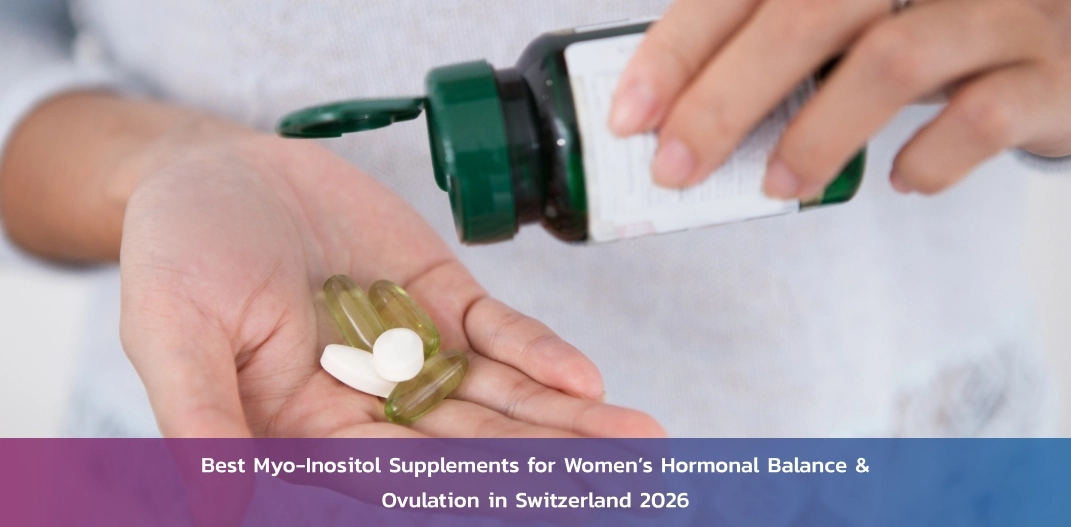
Yes, targeted nutrition can play a meaningful supportive role in balancing hormones and encouraging regular ovulation. For women wondering how to get pregnant with irregular periods, supplements are not a quick fix, but they can help address nutritional gaps that may be affecting cycle regularity and overall fertility.
When combined with healthy lifestyle habits, the right supplements may support irregular period fertility by improving hormone function, egg quality, and ovulation consistency.
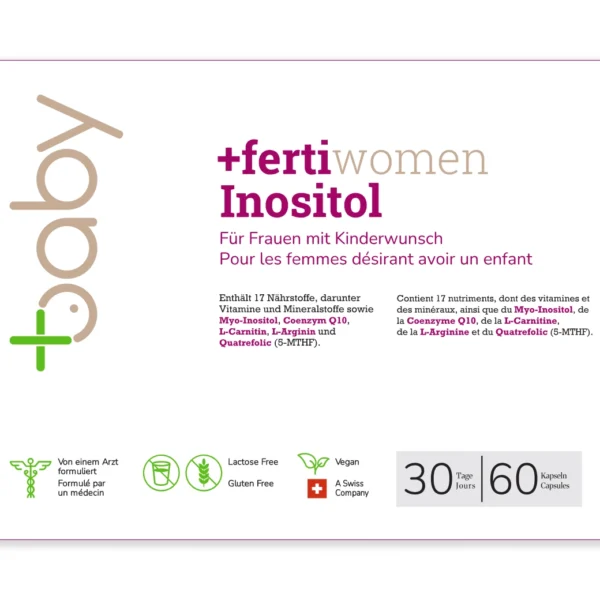
In cases of irregular periods, PCOS pregnancy planning, supplements containing inositol are often recommended to support insulin sensitivity and promote more regular ovulation. Products like +fertiwomen Inositol Vegan Multivitamins for Women’s Fertility are designed to provide inositol along with essential vitamins and minerals that support hormone balance and reproductive health.
While supplements alone cannot guarantee pregnancy, they can improve irregular periods conception chances when used consistently alongside balanced nutrition, stress management, and appropriate medical guidance.
Over time, this supportive approach helps create a healthier internal environment for ovulation and fertility to thrive.
For region-specific guidance, explore essential vitamins and minerals for women’s fertility in Switzerland before conception.
Irregular periods can make pregnancy feel unpredictable—but they don’t take away your chance to conceive. With the right understanding of ovulation, better timing intercourse irregular periods, and steady support, many women achieve irregular periods conception naturally.
At Plusbaby, we believe fertility is about care, not pressure. Supporting your body with balanced nutrition and thoughtfully formulated fertility supplements for women can help create the right foundation for ovulation and hormone balance.
Your journey may not follow a perfect calendar, but it can still lead to a beautiful beginning. Trust your body, take it one step at a time, and remember, hope is very much alive.
Q1. What are the chances of getting pregnant with an irregular period?
Answer: The chances of pregnancy depend mainly on whether ovulation is occurring. Even with irregular cycles, many women achieve getting pregnant with irregular periods by tracking fertile signs, maintaining regular intercourse, and supporting overall reproductive health.
Q2. What are the signs you can’t get pregnant?
Answer: There are no clear signs that pregnancy is impossible, but ongoing issues like absent ovulation, untreated hormonal conditions, or long-term cycle irregularities can affect irregular periods fertility, which is why medical evaluation is important.
Q3. How do you know if you are pregnant with irregular periods?
Answer: With unpredictable cycles, pregnancy is often recognized through physical changes rather than missed periods. Common signs of pregnancy irregular periods include nausea, fatigue, breast sensitivity, and changes in appetite, confirmed through testing.
Q4. Can irregular menstruation affect fertility?
Answer: Yes, irregular menstruation can affect fertility by making ovulation timing less predictable, but it does not mean infertility. With the right approach, many women improve fertility with irregular periods and successfully conceive.
Q5. When should I see a doctor if I have irregular periods and want to conceive?
Answer: If you’ve been trying for several months without success or have long gaps between periods, consulting the best gynaecologist doctor in Switzerland can help assess irregular periods trying to conceive, and guide next steps.