NEW FORMULAS + EXCLUSIVE LAUNCH OFFER: Buy 3 products → GET 1 FREE + FREE shipping!

NEW FORMULAS + EXCLUSIVE LAUNCH OFFER: Buy 3 products → GET 1 FREE + FREE shipping!


Myo-inositol is one of the most extensively studied nutritional compounds in the field of reproductive endocrinology and metabolic medicine over the past 15 years. Numerous randomized controlled trials, systematic reviews, and meta-analyses (published 2018–2025) have investigated its role in insulin signaling, ovarian function, ovulatory disorders, and assisted reproduction outcomes.
At Plusbaby , we follow this body of evidence closely when formulating supplements for women’s hormonal and fertility health. The clinical literature shows that myo-inositol, particularly at doses of 2–4 g/day, consistently demonstrates statistically significant effects on insulin sensitivity, androgen levels, menstrual cyclicity, and ovulation rates in women with PCOS, as well as measurable improvements in oocyte quality markers in certain infertility populations.
Market data reflect this scientific momentum: according to Future Market Insights (2025 report), the global inositol market is valued at USD 159.7 million in 2025 and is projected to reach USD 482.9 million by 2035, growing at a CAGR of 11.7%. The strongest driver is increasing clinical recognition of myo-inositol benefits for hormonal regulation and metabolic health.
The purpose of this guide is to summarize, in plain language, the current scientific understanding of what myo-inositol is, its main mechanisms of action, the outcomes most consistently reported in peer-reviewed studies, and the practical aspects of supplementation that are supported by evidence.
We reference high-quality publications (PubMed-indexed RCTs, meta-analyses from 2020–2025) rather than anecdotal reports. This allows women and healthcare professionals to evaluate whether myo-inositol fits into an evidence-based preconception or PCOS management plan.
Myo-inositol is a naturally occurring cyclic polyol (a sugar alcohol) that functions as a second messenger in several intracellular signalling pathways. It is synthesised endogenously from glucose and is also obtained through the diet, yet certain physiological states significantly increase tissue requirements.
Although structurally related to the B-vitamin family and sometimes classified as “vitamin B8” in older literature, myo-inositol does not meet the criteria of an essential vitamin because the human body can produce it. However, in conditions characterised by insulin resistance, chronic inflammation or high ovarian demand (most notably PCOS), endogenous synthesis and dietary supply often appear insufficient to maintain optimal intracellular concentrations.
This relative insufficiency is one reason myo-inositol supplementation has become a standard adjunct in PCOS management guidelines in several countries and a frequent component of evidence-based fertility protocols under the headings Myo-Inositol for PCOS and Myo-Inositol for fertility support.
In summary, myo-inositol contributes to:
Where does Myo-Inositol come from?
Myo-inositol is endogenously synthesised from glucose in most human tissues, with the kidneys producing the largest quantities (approximately 2–3 g/day under normal conditions). It is also obtained exogenously through the diet, primarily from plant-based sources such as citrus fruits (especially cantaloupe and oranges), beans, lentils, whole grains, nuts and seeds. Animal products contain lower amounts, mostly in the form of inositol phospholipids.
Typical dietary intake in Western populations ranges from 0.5–1.5 g per day, which is often sufficient for healthy individuals. However, several clinical situations, including insulin-resistant states, PCOS, gestational diabetes, and advanced maternal age, have been associated with reduced tissue myo-inositol concentrations or increased urinary loss, as documented in multiple studies between 2019 and 2024. In these contexts, supplementation is frequently required to reach the intracellular levels associated with therapeutic effects in randomised trials.
Myo-inositol works best as part of a balanced nutritional approach. To understand the bigger picture, read more about the role of vitamins in women’s fertility and how they work together to support reproductive health.
To understand how does myo-inositol work, it’s helpful to look at its role at the cellular level. Myo-inositol functions as a messenger inside the body, helping cells correctly receive and process signals from hormones and neurotransmitters.
This internal communication is essential for maintaining metabolic balance, reproductive health, and emotional well-being.
Myo-inositol is part of special fats in the cell membrane that helps control how signals move inside the cell. In the ovaries, these signals are needed for the follicles to grow properly and for estrogen production. Research shows that when myo-inositol levels are low, these signals don’t work as well, and supplementing can help restore normal function.
Because of this, myo-inositol plays a foundational role in both physical and mental health.
One of the most studied areas is myo-inositol and insulin resistance. Myo-inositol helps improve insulin sensitivity, allowing glucose to enter cells more efficiently. This makes myo-inositol for blood sugar balance especially relevant for individuals managing metabolic concerns, including those with PCOS or other insulin-related conditions such as prediabetes.
When insulin works better in the body, it has a big positive effect on reproductive hormones. High insulin can push the ovaries to make too much testosterone, which often leads to irregular periods, acne, extra hair growth or ovulating disorder.
By helping insulin do its job properly, myo-inositol helps lower these extra androgens (male-like hormones) and brings the LH to FSH ratio back toward a healthier balance.
Multiple studies (including large reviews from 2020–2025) show that women with PCOS who take myo-inositol for 3–6 months often see:
This is why myo-inositol for PCOS and myo-inositol for fertility are talked about together so often, it addresses one of the main underlying issues rather than just covering up symptoms.
There is also growing research linking myo-inositol to mood and stress. It plays a role in how the brain uses serotonin and other mood-related chemicals, so some women notice they feel calm or less anxious after a few weeks or months — especially when hormonal ups and downs were making stress worse.
Myo-inositol supports multiple systems in the body by improving how cells respond to hormonal and metabolic signals. Rather than acting as a hormone itself, it helps existing hormones work more efficiently.
This is why myo-inositol is widely used for metabolic balance, reproductive health, and emotional well-being, especially in women.
Improving how well insulin works is one of the strongest and most studied Myo-Inositol benefits.
When cells respond better to insulin, sugar gets into the cells more easily instead of staying high in the blood. This leads to:
Because of these effects, myo-inositol for blood sugar support is now a common recommendation in many PCOS treatment plans and metabolic health programs.
PCOS is very often linked to insulin resistance. When insulin is high for a long time, it tells the ovaries to produce too much testosterone. This creates a cycle: irregular periods → fewer ovulations → more androgen buildup → more irregular cycles.
Myo-Inositol for PCOS helps break this cycle by improving insulin sensitivity at the root.
Clinical trials (many from 2019–2025) show that daily intake often leads to:
It is one of the few natural supplements with this level of evidence specifically for PCOS.
Since PCOS-related irregular cycles can make ovulation harder to predict, it’s helpful to understand getting pregnant with irregular periods and how fertility timing works if you’re trying to conceive.
Healthy ovulation needs balanced insulin and reproductive hormones.
When insulin resistance is improved and androgen levels come down, the ovaries usually work more predictably.
This is why myo-inositol for fertility is so popular. Research shows it can help:
Many fertility clinics now include myo-inositol in preconception protocols, especially for women with PCOS or insulin-related issues. It is not a fertility drug, but it helps set up better conditions for natural conception or assisted reproduction.
Myo-inositol also plays a role in brain chemistry. It helps regulate serotonin, dopamine and other neurotransmitters involved in mood, stress response and anxiety.
Several smaller studies and reviews (2020–2024) found that women with PCOS or insulin resistance who took myo-inositol often reported:
This is not its main use, but it is a nice extra benefit for many women when hormones and blood sugar swings were affecting how they felt emotionally.
By improving insulin sensitivity, lowering excess androgens and helping cells communicate better, myo-inositol supports both metabolism and ovaries at the same time.
This combined effect is why it is seen as a long-term support nutrient for myo-inositol for women’s health, not just a short-term fix for one symptom.
These combined effects explain why it’s considered a long-term support nutrient for myo-inositol for women’s health, rather than a short-term or symptomatic solution.
If you’d like a focused breakdown, our guide on the top myo-inositol benefits for fertility and overall wellness explains how this nutrient supports hormones, metabolism, and reproductive health.
Using a myo-inositol supplement correctly plays an important role in how well it works. While myo-inositol is gentle and generally well tolerated, consistency and proper dosing are key to seeing meaningful results over time.
Recommended dosage
The commonly recommended myo-inositol dosage ranges between 200 to 1,000 mg per day, depending on individual needs.
Best time to take myo-inositol
Many people take myo-inositol once in the morning and once in the evening. This helps maintain stable blood levels and supports the body’s natural metabolic rhythm.
Myo-inositol can be taken with or without food, but taking it after meals may reduce the chance of mild digestive discomfort for some individuals.
Powder vs. capsule: which is better?
| Feature | Powder | Capsule |
| Dosing flexibility | Easy to adjust dose | Fixed, pre-measured dose |
| Convenience | Requires mixing | Easy to take on the go |
| Absorption | Fast and efficient | Equally effective |
| Taste | Mild, slightly sweet | Tasteless |
| Best for | Customized dosing | Daily convenience |
Both forms of myo-inositol are effective. Powder is often preferred by those who want flexible dosing or higher daily amounts, while capsules suit those who value simplicity and ease. The best option is the one you can take consistently and comfortably.
If you’re unsure what actually works, our article on vitamins to help you get pregnant quickly: myths and realities , clears up common misconceptions around fertility supplements.
Myo-inositol does not give instant results because it works by gently improving how your cells respond to insulin and hormones over time. The speed depends on several things: your starting hormone and insulin levels, the dose you take, how consistently you use it, your diet, stress levels and sleep.
Most research and real-world experience show that changes happen gradually, not overnight, because the body needs time to adjust insulin signaling, lower excess androgens and restart more balanced ovulation cycles.
First 2–4 weeks (early changes):
Many women start to feel small improvements quite quickly. The most common early signs are:
These early effects usually come from better blood sugar control and reduced insulin spikes. They are subtle but encouraging and show the supplement is starting to work inside the cells.
4–12 weeks (most noticeable changes):
This is the timeframe when most women see the biggest differences, and when the majority of clinical studies report meaningful results. Between 1–3 months of daily use you can expect:
For fertility, many women notice these ovulation improvements between 6–12 weeks, which is why doctors and clinicians often recommend taking myo-inositol for at least 3 months before evaluating results.
3–6 months and beyond (long-term benefits):
After 3 months, the effects usually become more stable and consistent. Studies show:
Because egg development takes about 90 days, the full benefit for egg quality and fertility potential is usually seen after at least 3 months of consistent use.
What changes to expect in 30–90 days
Here is a realistic timeline based on what women commonly report and what studies show:
The key is daily consistency. Missing a few days here and there slows progress, but even if you miss occasionally, getting back on track quickly still helps.
Most women who see the best results take myo-inositol for fertility or myo-inositol for PCOS for at least 3–6 months while also eating balanced meals, managing stress and getting good sleep.
If nothing changes after 3–4 months, it’s worth talking to a doctor or fertility specialist, sometimes other factors (thyroid, vitamin D deficiency, etc.) need to be checked at the same time.
Healthy hormone balance and good insulin response are very important for getting pregnant naturally. Myo-inositol helps create better conditions for ovulation and conception by supporting these two areas.
It is not a fertility medicine, it does not force ovulation or change hormones directly. Instead, it helps the body work more efficiently, which is why it is now one of the most popular natural supplements in preconception and fertility plans.
How it supports egg quality
When insulin levels are more balanced, the ovaries usually function better. This can help the eggs develop in a healthier environment.
Research shows myo-inositol may support egg quality in several ways:
These effects are especially helpful for women over 35 or those with PCOS, where egg quality can be more sensitive to insulin and androgen levels. Many fertility doctors now recommend myo-inositol for fertility for 3+ months before trying to conceive or starting treatments like IUI/IVF.
Myo-Inositol for ovulation disorders
Regular ovulation depends on stable insulin and reproductive hormones. When insulin resistance or high androgens interfere, ovulation can become irregular or stop completely.
Myo-inositol for PCOS and ovulation problems is one of its strongest uses. Studies show that after 2–6 months of use, many women with irregular or missing ovulation start to:
This makes myo-inositol a common first step for women who want to improve ovulation naturally before moving to medications like clomiphene or letrozole.
Is Myo-Inositol safe during pregnancy?
Myo-inositol is generally considered safe when used at normal doses explained above. Many women continue taking it during the first trimester (and sometimes longer) under medical guidance, especially if they have PCOS, insulin resistance or a history of gestational diabetes.
Research (including reviews from 2020–2025) has not found serious safety concerns for mother or baby at standard fertility/preconception doses. Some studies even suggest it may help support healthy glucose levels during pregnancy.
However, every pregnancy is different. Always talk to your doctor, midwife or fertility specialist before continuing (or starting) any supplement once you have a positive pregnancy test. They can check your personal situation and adjust the plan if needed.
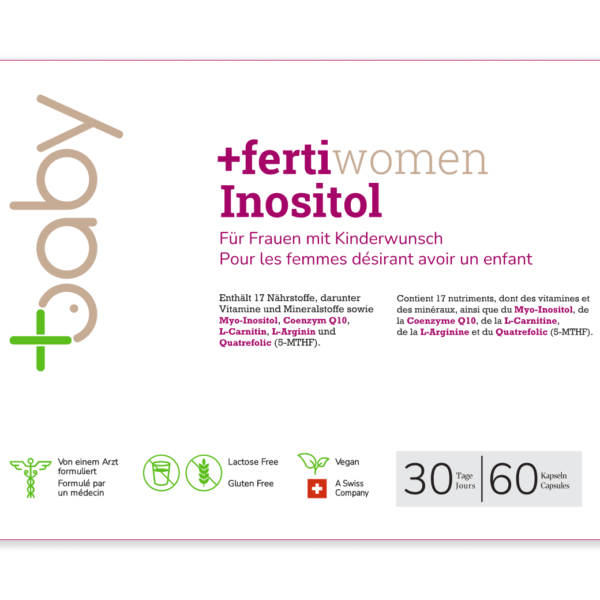
For a complete preconception routine, many women combine +fertiwomen inositol with +maca (or transition to +mum prenatal after a positive test) to cover egg quality, hormone support and essential nutrients.
For women looking for a structured approach, you can also explore our one-month fertility boost plan using myo-inositol, maca, and fertility vitamins , designed to support ovulation and hormonal balance naturally.
If you’re looking to support hormonal balance, metabolic health, or fertility in a gentle, research-backed way, myo-inositol is worth considering. At Plusbaby , we’ve seen how consistent nutritional support can make a meaningful difference over time for women navigating hormonal and fertility challenges.
Understanding what is myo-inositol and how does myo-inositol work helps you make informed choices, whether through daily nutrition or targeted support like +fertiWomen Inositol , designed to work with the body’s natural processes.
As always, consult a healthcare professional before starting any new supplement, especially if you’re planning a pregnancy or managing a health condition.
Q1. Can myo-inositol help with weight management?
Answer: Yes, in certain cases. One of the common myo-inositol uses is supporting metabolic balance, especially when weight concerns are linked to insulin resistance or hormonal imbalance. By improving insulin sensitivity, a myo-inositol supplement may help the body process glucose more efficiently, which can support healthier weight management alongside proper diet and lifestyle habits.
Q2. Is myo-inositol safe for long-term use?
Answer: Most studies suggest that myo-inositol is safe for long-term use when taken within the recommended myo-inositol dosage. It is generally well tolerated and often used consistently over several months as part of hormonal balance, metabolic support, or fertility-focused routines.
Q3. Can men take myo-inositol?
Answer: Yes. While myo-inositol is most commonly discussed in the context of women’s health, men can also take a myo-inositol supplement. It may support insulin sensitivity, cellular function, and overall metabolic health in men as well.
Q4. Are there any myo-inositol side effects?
Answer: Yes. Myo-inositol side effects are usually mild and uncommon. At higher doses (ly above 4–6 g per day), some women typically experience temporary nausea, bloating, gas or loose stools. These effects are dose-dependent and almost always disappear when the dose is reduced, when intake is split into two doses, or when the supplement is taken with food. Serious side effects are extremely rare in the standard fertility and PCOS range of 2–4 g per day.
This is exactly why we have dosed +fertiwomen inositol the way we did.
We chose a daily amount that stays comfortably within thelow clinical range that is most studied and proven effective for insulin sensitivity, ovulation support and PCOS management, while deliberately keeping the dose well below levels where digestive side effects become more noticeable.
Because of this careful dosing, the large majority of women who take +fertiwomen inositol experience little to no risk of side effects, even when they take it every day for several months. We also split the total amount into two doses (morning + evening) in the formulation guidance, which further improves tolerance and helps maintain steady insulin and hormone support throughout the day.
Q5. How much myo-inositol should I take for PCOS or fertility?
Answer:The most researched and commonly recommended dose by doctors and fertility specialists for PCOS and fertility support is 500–4,000 mg per day. Most women split it into two doses (e.g. morning + evening) to keep insulin and ovulation support steady all day.
+fertiwomen contains myo-inositol in a carefully chosen amount per daily serving. We designed this dose to stay well within the safe, effective range that doctors most often recommend, while keeping the risk of side effects extremely low (most women experience none at all).
For many women this amount provides good support for insulin sensitivity, cycle regularity and ovulation. If your doctor recommends a higher therapeutic dose based on your blood work, symptoms or PCOS severity, you can easily combine +fertiwomen with an additional dedicated myo-inositol product. Always follow your healthcare provider’s guidance for your personal situation.
Q6. Can I take myo-inositol together with other supplements like folic acid or vitamin D?
Answer: Yes. Myo-inositol combines very safely and often more effectively with active folate (5-MTHF), vitamin D, zinc, selenium and antioxidants. Many studies use these combinations. This is why +fertiwomen Inositol combines it all.
Q7. Will myo-inositol help me ovulate if I don’t have PCOS?
Answer: Yes. Even without PCOS, many cases of irregular or missing ovulation are linked to mild insulin resistance, stress or nutrient gaps. Myo-inositol improves insulin signalling and ovarian response, helping many women with unexplained irregular cycles start ovulating more regularly after 2–3 months of consistent use.
Q8. Is myo-inositol better than metformin for PCOS?
Answer: Yes (in many situations). Myo-inositol gives similar improvements in cycle regularity, ovulation rates, androgen levels and insulin sensitivity compared to metformin in numerous head-to-head studies — but with far fewer side effects (no nausea, diarrhoea or metallic taste). Many women and doctors now prefer myo-inositol as a first-line natural option or combine low-dose metformin with myo-inositol when needed.
Q9. Can I take myo-inositol if I’m already pregnant?
Yes (in most cases). Myo-inositol is generally considered safe at standard doses during pregnancy, especially in the first trimester for women with PCOS or insulin resistance. Recent reviews (2020–2025) show no major safety concerns for mother or baby. However, always consult your doctor or midwife first, most women switch their main supplement to a prenatal like +mum after a positive test and only continue myo-inositol if specifically recommended.
Q10. Can I stop taking myo-inositol once my cycles become regular?
Answer: Yes (but gradually). Once cycles are consistently regular and ovulation is confirmed (eg via tracking or tests), many women successfully reduce or stop myo-inositol after 6–12 months, especially if diet, exercise and stress management stay strong. However, some women with PCOS find they need to continue a maintenance dose long-term to keep insulin sensitivity and cycle stability. The safest way is to type slowly and monitor your cycle for 2–3 months after stopping.