NEW FORMULAS + EXCLUSIVE LAUNCH OFFER: Buy 3 products → GET 1 FREE + FREE shipping!

NEW FORMULAS + EXCLUSIVE LAUNCH OFFER: Buy 3 products → GET 1 FREE + FREE shipping!



Deciding to start a family is a hopeful moment, but the pregnancy journey often comes with uncertainty. One day, you are reading about vitamins that claim to help you conceive faster, and the next, you are told supplements don’t matter at all. With so much information coming from every direction, it’s natural to feel unsure about what truly supports fertility.
This blog is here to simplify things. Instead of exaggerated claims, it explains how nutrition actually affects fertility and where vitamins to get pregnant fast truly fit in.
You’ll learn which fertility vitamins for women and prenatal vitamins for fertility support hormone balance, ovulation, and vitamins to improve egg quality, and which popular ideas are simply myths.
Rather than asking Do fertility supplements really work, this guide helps you understand how the best supplements to get pregnant work alongside healthy habits.
By combining the right supplements to boost fertility with proven, natural ways to boost fertility, you can prepare your body for pregnancy in a safe, realistic, and informed way.
Your fertility is closely connected to what your body receives through nutrition. The reproductive system is highly sensitive, and even small nutritional gaps can interfere with hormone production, ovulation, and the body’s ability to support early pregnancy.
When essential nutrients are missing, the body often prioritizes survival functions over reproduction.
Several key fertility processes depend on proper nutrition, including:
This is why many healthcare providers recommend prenatal vitamins for fertility even before conception. These formulations typically include folate, vitamin D, iron, iodine, and antioxidants, nutrients known to support ovulation, hormonal health, and vitamins to improve egg quality over time.
While food should always be the foundation, diet alone doesn’t always meet increased fertility needs.
A nutrient-dense eating plan paired with the best vitamins to help you get pregnant offers one of the most effective and natural ways to boost fertility, especially for women actively planning pregnancy.
The internet is full of misleading fertility advice, which is why understanding fertility nutrition myths and facts is so important.
Believing the wrong information can lead to frustration, wasted money, or unrealistic expectations.
| Common myth | Reality |
| More vitamins = faster pregnancy | Excess intake can disrupt hormone balance |
| Prenatal vitamins guarantee conception | They support fertility but don’t cause pregnancy |
| Natural supplements work instantly | Most need 8–12 weeks for noticeable effects |
| All women need the same supplements | Fertility needs vary by age, cycle, and health |
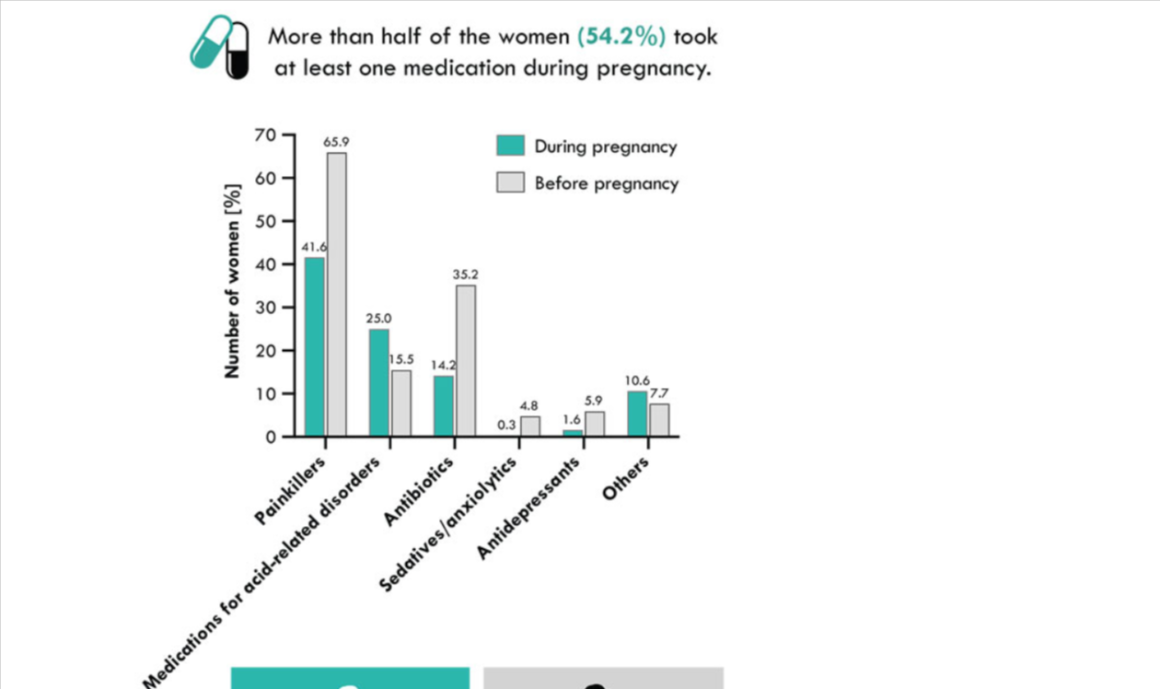
Many women worry about taking supplements while trying to conceive, fearing potential harm. However, real-world evidence tells a reassuring story.
Research published in the Swiss Medical Weekly shows that 54.2% of women in Switzerland took at least one medication during pregnancy, highlighting that responsible nutritional and medical support is both common and medically accepted.
These myths are often the reason women question do fertility supplements really work. The truth is that supplements to boost fertility are most effective when chosen based on individual needs and taken consistently over time.
When used correctly, the best supplements to get pregnant help create a healthier hormonal environment, but they are never a replacement for patience, lifestyle balance, or medical guidance.
Nutrition directly influences hormone balance and ovulation. Learn more about the role of vitamins in women’s fertility and why deficiencies matter.
Fertility nutrition is not about taking random pills; it’s about supporting the body’s natural reproductive processes with the right nutrients. Hormone balance, ovulation, egg quality, and uterine health all depend on proper nutrition. When these systems are well supported, the body is better prepared for conception.
This is where fertility vitamins for women and targeted supplements to boost fertility play an important role.
While no supplement can guarantee pregnancy, the right nutrients can improve fertility readiness and support the body naturally.
When chosen wisely, these are some of the best vitamins to help you get pregnant as part of a healthy conception plan.
Certain vitamins are consistently linked to reproductive health and are commonly recommended for women trying to conceive.
1. Folic acid
Folic acid supports ovulation, implantation, and early fetal development. It plays a key role in DNA synthesis and healthy cell division, which is why it forms the foundation of all prenatal vitamins for fertility.
Adequate folic acid intake before conception helps prepare the body for pregnancy and supports early development.
Folic acid is essential before and during pregnancy. Read more about folic acid for pregnancy and its benefits for mom and baby.
2. Vitamin D
Vitamin D acts like a hormone in the body and helps regulate estrogen and progesterone levels. It supports ovarian function and may improve implantation.
Low vitamin D levels are frequently associated with ovulatory challenges, making it an important nutrient for women looking for vitamins to get pregnant fast in a safe and realistic way.
3. Iron (ferrous bisglycinate)
Iron deficiency can impair ovulation and reduce oxygen delivery to reproductive tissues. Ferrous bisglycinate is a highly absorbable and gentle form of iron that supports healthy ovulation without common digestive side effects.
Iron is often included in the best vitamins to help you get pregnant, especially for women with low energy or heavy cycles.
4. Vitamin B12
Vitamin B12 supports red blood cell production, nerve health, and hormone balance.
It plays a role in egg development and is particularly important for women following vegetarian or vegan diets, where deficiencies are more common.
5. Vitamin C
Vitamin C is a powerful antioxidant that protects developing eggs from oxidative stress.
It also supports progesterone production and enhances iron absorption, making it a valuable nutrient for women focusing on vitamins to improve egg quality.
6. Vitamin E
Vitamin E supports uterine lining health and improves blood flow to reproductive organs. Along with vitamin C, it helps protect egg cells from oxidative damage and contributes to better reproductive outcomes over time.
All these nutrients form the core of prenatal vitamins for fertility and are widely regarded as the best vitamins to help you get pregnant when taken consistently.
Quick overview: essential vitamins and their fertility benefits
| Vitamin | Fertility role | Natural sources |
| Folic acid | Ovulation, implantation | Leafy greens, legumes |
| Vitamin D | Hormone regulation | Sunlight, fatty fish |
| Iron (ferrous bisglycinate) | Ovulation support | Spinach, red meat |
| Vitamin B12 | Egg development | Eggs, dairy |
| Vitamin C | Egg protection | Citrus fruits |
| Vitamin E | Uterine support | Nuts, seeds |
Prenatal vitamins play a key role even before pregnancy. Learn why prenatal vitamins are important and how to choose the right one.
Minerals are often overlooked, but they are just as essential as vitamins for reproductive health.
1. Zinc
Zinc plays a critical role in ovulation, hormone production, and egg maturation. It also supports immune function and cellular repair, making it an important component of fertility vitamins for women.
2. Iodine
Iodine supports thyroid hormone production. Since thyroid health directly affects menstrual cycles and ovulation, iodine deficiency can interfere with fertility and cycle regularity.
3. Selenium
Selenium acts as a powerful antioxidant that protects egg cells from oxidative damage and supports early embryo development. It complements other vitamins to improve egg quality by reducing cellular stress.
Balanced mineral intake enhances the effectiveness of supplements to boost fertility and supports overall reproductive health.
Beyond basic vitamins and minerals, several food-based and functional compounds are commonly used as supplements to boost fertility because of their targeted benefits.
1. Maca
Maca is a traditional root known for supporting hormonal balance, energy levels, and reproductive wellness. It is often used as part of natural ways to boost fertility, especially for women experiencing fatigue or cycle irregularity.
Not all maca types work the same. Explore the differences between red vs black maca for fertility to choose the right option when trying to conceive.
2. Arginine
Arginine improves blood circulation by increasing nitric oxide production. Better blood flow supports ovarian function and helps build a healthy uterine lining, which is essential for implantation.
3. Coenzyme Q10 (CoQ10)
CoQ10 supports mitochondrial energy production in egg cells. Because egg quality declines with age, CoQ10 is widely considered one of the best supplements to get pregnant, particularly for women over 30.
CoQ10 plays a vital role in egg energy production. Read more about Coenzyme Q10 benefits for women and how it supports reproductive health.
4. Omega-3 fatty acids
Omega-3s support hormone production, reduce inflammation, and improve uterine blood flow. They are frequently included in fertility vitamins for women and are valued for both fertility and early pregnancy support.
5. Choline
Choline supports cell membrane integrity and reproductive tissue development. It plays an important role during early cell division after conception.
6. Herbal supplements
Some herbs may support fertility, but evidence varies. These should be used cautiously and ideally under professional guidance to avoid interference with hormonal balance.
Quick overview: popular fertility supplements and who they help most
| Supplement | Best for | Key benefit |
| Myo-inositol | PCOS | Cycle regulation |
| Maca | Hormonal balance | Energy & cycle support |
| Arginine | Blood flow | Uterine health |
| CoQ10 | Age 30+ | Egg quality |
| Omega-3 | All women | Hormone balance |
| Selenium | Antioxidant support | Egg protection |
When women ask do fertility supplements really work, the answer depends on consistency, correct selection, and realistic expectations.
When combined with balanced nutrition, healthy habits, and patience, these nutrients form one of the most effective natural ways to boost fertility and prepare the body for pregnancy.
Myo-inositol is especially helpful for cycle regulation. Discover the top myo-inositol benefits for fertility and overall wellness.
Understanding what fertility supplements can realistically do, and how long they take to work- is just as important as choosing the right ones.
Many women stop too early or expect instant results, which often leads to confusion and disappointment.
Whole foods should always be the foundation of fertility nutrition. A balanced diet provides fiber, antioxidants, healthy fats, and micronutrients that support hormone balance and overall reproductive health.
However, modern lifestyles, soil depletion, dietary restrictions, and increased nutritional demands mean that food alone doesn’t always meet fertility needs.
That’s where fertility vitamins for women and targeted supplements to boost fertility become useful.
Supplements help fill specific nutritional gaps and provide consistent dosages that are hard to achieve through diet alone.
| Approach | Pros | Limitations |
| Whole foods | Natural, balanced, sustainable | Difficult to meet all fertility needs consistently |
| Supplements | Targeted, effective, measurable | Must be chosen and used correctly |
| Combined approach | Most effective and realistic | Requires consistency and patience |
A combined approach, nutrient-dense foods plus the best vitamins to help you get pregnant, offers the most reliable and natural ways to boost fertility without placing unnecessary stress on the body.
Fertility nutrition works on a biological timeline, not an instant one. Egg development begins months before ovulation, which means supplements need time to influence quality and hormonal balance.
Here’s what to realistically expect:
This timeline explains why many women question do fertility supplements really work. In most cases, supplements are stopped too soon, before they’ve had enough time to support ovulation and vitamins to improve egg quality effectively.
Patience and consistency are key when using prenatal vitamins for fertility or any targeted fertility support.
Once ovulation is supported, timing matters. Use the pregnancy test calculator to find the best time to test accurately.
While fertility supplements aren’t mandatory for everyone, certain groups of women are more likely to benefit from them.
You’re more likely to see positive results if you:
For these women, using vitamins to get pregnant fast doesn’t mean rushing biology; it means preparing the body properly.
When combined with healthy habits, the best supplements to get pregnant can significantly improve fertility readiness and overall reproductive balance.
If you need personalized medical guidance, consult one of the best gynaecologist doctors in Switzerland for expert fertility care.
There’s no instant formula for pregnancy, but there is a better way to support your body. Fertility vitamins aren’t miracles, yet when chosen thoughtfully, they help balance hormones, improve egg quality, and support ovulation.
By understanding fertility nutrition myths and facts, you can stop guessing and start making choices that truly support conception.
The path forward is simple:
When used correctly, prenatal vitamins for fertility and targeted support create the right foundation for pregnancy.
Plusbaby’s Fertility Supplement for Women, designed to improve women’s fertility and reproductive health, works in harmony with your body, naturally and gently.
Your fertility journey starts with small, intentional steps. Nourish your body today, trust the process, and give yourself the support you deserve as you move closer to motherhood.
Question: What vitamin helps you get pregnant faster?
Answer: Folic acid is the most important vitamin when trying to conceive. It supports ovulation, implantation, and early pregnancy development. Vitamin D and iron also play key roles in improving fertility outcomes.
Question: What should I take if I’m trying to get pregnant?
Answer: Most women benefit from a prenatal supplement that includes folic acid, vitamin D, iron, vitamin B12, iodine, and zinc. Depending on individual needs, additional best supplements to get pregnant, such as omega-3 fatty acids or CoQ10, may also be helpful.
Question: What is the golden rule for every pregnant woman?
Answer: The golden rule is consistency and balance. Focus on eating nutrient-dense foods, taking recommended supplements, managing stress, and avoiding excesses. No single supplement can replace overall health and lifestyle habits.
Question: How can I boost my fertility to get pregnant?
Answer: The most effective approach combines:
This holistic approach remains one of the safest and most effective natural ways to boost fertility.