10% off for life with subscription + Free Shipping 


10% off for life with subscription + Free Shipping


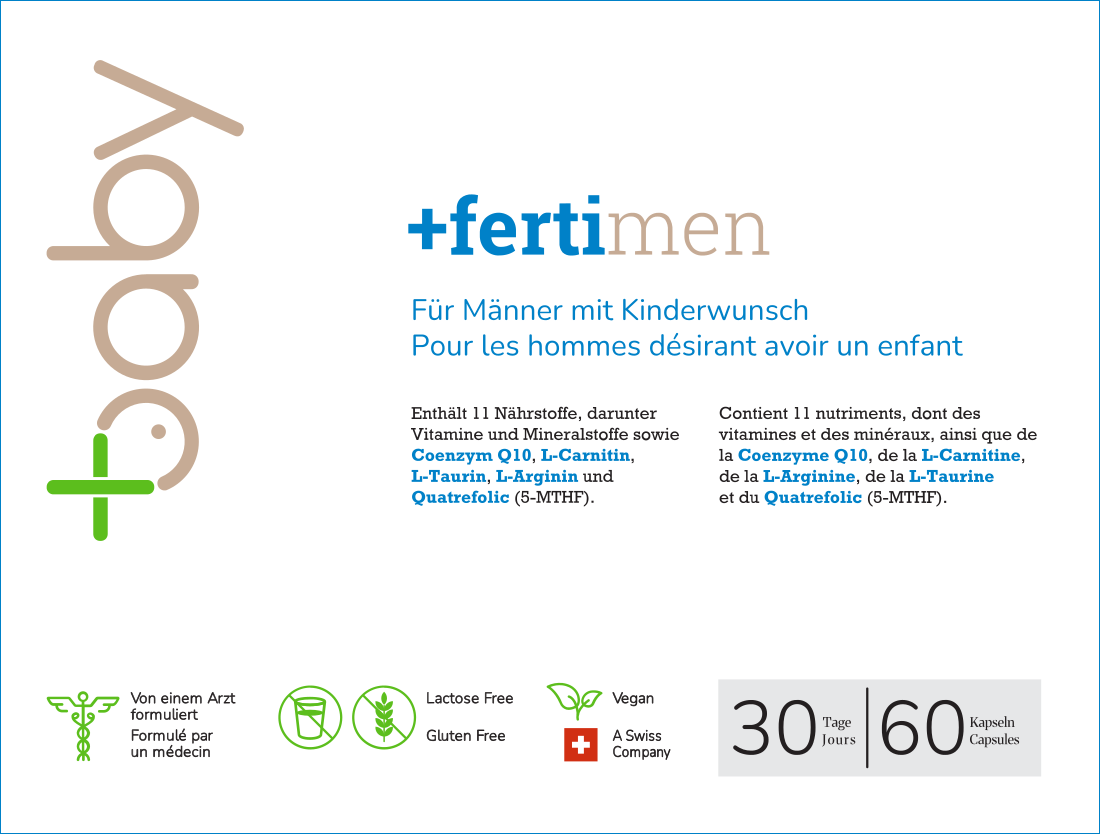
+fertimen for Male Fertility
| +fertimen | Other products | |
|---|---|---|
|
Optimize Fertility |
|
|
|
Increases Libido |
|
|
|
Ingredients 100% natural |
|
|
|
Formulated by Swiss Doctors |
|
|
|
Contains CoQ10 for egg quality |
|
|
|
Contains folate in the bioactive form Quatrefolic® (5-MTHF) |
|
|
Coenzyme Q10 is a key ingredient in fertility supplements for men in Switzerland. It supports mitochondrial energy production, which is essential for healthy sperm count, motility, and vitality. As a powerful antioxidant, CoQ10 protects sperm cells from oxidative stress, one of the leading causes of reduced sperm quality. For this reason, CoQ10 is widely included in male fertility vitamins such as Proxeed Plus and other targeted sperm health formulas to support overall reproductive performance.
Arginine, a conditionally essential amino acid in adults, is frequently incorporated into male fertility supplements available in Switzerland. Clinical studies suggest that it may enhance blood flow to the reproductive organs via nitric oxide production, thereby supporting spermatogenesis and testicular function. Similarly, L-carnitine has been shown to protect spermatozoa from oxidative stress, preserving their viability. Moreover, by improving mitochondrial function and energy production, L-carnitine may enhance overall sperm quality and fertility outcomes.
Carnitine is one of the most researched nutrients for improving sperm quality supplements. It supports energy metabolism inside sperm cells, helping them move efficiently and improving overall motility. In Switzerland, carnitine is commonly combined with CoQ10 and zinc in sperm health supplements. Research published in peer-reviewed journals shows that synergistic supplementation with L-carnitine, zinc, and coenzyme Q10 is associated with significant improvements in sperm concentration and favorable reproductive outcomes.
Taurine, a conditionally essential amino acid, supports sperm cell membrane stability and provides protection against oxidative damage. Clinical studies indicate that taurine plays a significant role in maintaining sperm morphology, motility, and overall viability. Frequently incorporated into vitamins for male fertility in Switzerland, taurine helps regulate cellular osmolarity and synergistically complements antioxidants such as vitamin C and vitamin E in the management of male infertility. Its protective effects contribute to healthier sperm development and enhanced fertilization potential.
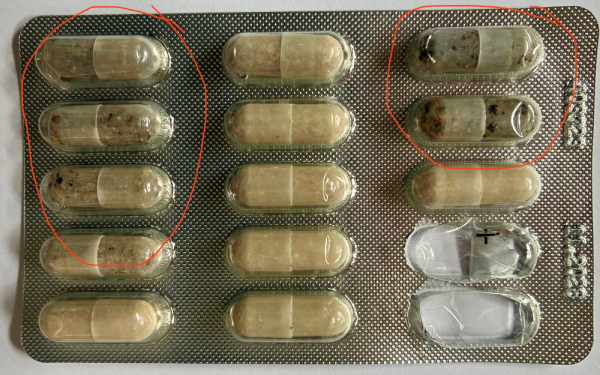
Some capsules may appear slightly darker or show natural color variations. This is a normal cosmetic effect caused by the natural hygroscopic properties of certain ingredients (such as L-Arginine and L-Carnitine), which can absorb small amounts of ambient moisture if a blister is slightly damaged.
This does not affect the safety, quality, or effectiveness of the product.
If you have any concerns about your capsules, please contact our support team.
The best supplements for male fertility typically include zinc, selenium, folate, vitamin D, vitamin C, vitamin E, CoQ10, L-carnitine, L-arginine and L-Taurine. . These nutrients support sperm count, motility, morphology, and testosterone balance, helping improve overall male reproductive health. At Plusbaby, +fertimen combines these targeted micronutrients in bioavailable forms to help improve overall sperm parameters and reproductive health. Many men also add +maca for its adaptogenic support on energy, hormonal balance and libido without disrupting natural hormone production. Consistent use over 2–3 months (the approximate sperm production cycle) tends to yield the most noticeable results.
Yes, maca root is a well-tolerated adaptogen that supports overall endocrine function, energy levels and libido in men without directly altering testosterone or other hormones. Studies suggest it can help improve semen quality parameters (count and motility) in some men, especially when stress or low vitality are factors. +maca from Plusbaby is a clean, high-quality option many men pair with +fertimen to address both reproductive health and daily performance while trying to conceive.
Sperm production takes about 60–90 days, so improvements in sperm count, motility or morphology usually become measurable after 2–3 months of daily supplementation. Many men report better energy, libido or semen volume earlier (4–8 weeks), especially when using +fertimen (with zinc, selenium, CoQ10 and antioxidants) together with +maca for endocrine and vitality support. Lifestyle factors like sleep, stress management and avoiding heat/toxins accelerate progress. A semen analysis before and after 3 months is the best way to objectively track changes.
Yes, maca root is a well-tolerated adaptogen that supports overall endocrine function, energy levels and libido in men without directly altering testosterone or other hormones. Studies suggest it can help improve semen quality parameters (count and motility) in some men, especially when stress or low vitality are factors. +maca from Plusbaby is a clean, high-quality option many men pair with +fertimen to address both reproductive health and daily performance while trying to conceive.
High-quality male fertility supplements containing well-studied nutrients (zinc, selenium, CoQ10, vitamins C/E/D, folate, etc.) are generally safe for most healthy men when taken at recommended doses. +fertimen and +maca are formulated without unnecessary additives and are suitable for long-term use during the preconception period.
Certain nutrients have moderate-to-good evidence for supporting sperm count when deficiencies exist or oxidative stress is high. Zinc, selenium, CoQ10, folate and antioxidants are among the most researched. +fertimen provides these in balanced, bioavailable doses designed to help protect and support spermatogenesis. Results vary — men with documented low count or poor motility often see the clearest improvements after 3 months — but supplements work best alongside healthy habits (no smoking, limited alcohol, good sleep and regular exercise).
Yes, zinc is one of the most important minerals for male reproductive health. It plays a direct role in testosterone synthesis, sperm production and protecting sperm DNA from oxidative damage. Men with low zinc levels often show reduced sperm count and motility. +fertimen provides zinc in a highly bioavailable form (zinc bisglycinate), combined with selenium, CoQ10 and other cofactors to maximise support for spermatogenesis. Many men notice improvements in energy and libido within 4–8 weeks, with sperm parameters typically showing better results after a full 3-month cycle. Pairing it with +maca can further enhance vitality and hormonal resilience.
Yes, elevated scrotal temperature is one of the most common reversible causes of reduced sperm quality. Frequent exposure to heat (laptops on the lap, saunas, hot baths, very tight underwear or prolonged sitting) can impair sperm production and motility. The effect is usually temporary and reversible once the heat exposure is reduced. While using +fertimen to supply antioxidants, zinc and CoQ10 helps protect developing sperm from oxidative stress, lifestyle adjustments (loose underwear, laptop stands, limiting saunas) remain essential. Many men combine these changes with +fertimen and +maca for the best chance of optimising sperm parameters over 2–3 months.
To get the maximum benefit from fertility supplements, men should minimise factors that harm sperm quality:
+fertimen contains protective antioxidants (vitamin C, E, selenium, CoQ10) that help counteract some oxidative damage from lifestyle factors, but the supplements work best when these habits are improved. Adding +maca can also support stress resilience and energy during this optimisation phase.
Yes, even with a normal semen analysis, many men benefit from preconception supplementation. A “normal” result does not always mean optimal fertility: sperm DNA fragmentation, subtle oxidative stress or borderline parameters can still affect conception chances and miscarriage risk. +fertimen provides targeted nutrients (zinc, selenium, CoQ10, folate, vitamin D) that support sperm DNA integrity, mitochondrial function and overall reproductive resilience, benefits that go beyond basic semen parameters. Many couples use +fertimen + +maca preventively for 2–3 months before actively trying, especially when the female partner is already optimising with +fertiwomen and +maca. This paired approach is a practical way to maximise chances on both sides.
Low sperm quality often has no obvious symptoms, which is why many men only discover it during a semen analysis. Possible indirect signs include difficulty conceiving after 12 months of regular unprotected intercourse, low energy, reduced libido, erectile changes or hormonal symptoms (e.g. fatigue, mood changes). Abnormal semen results may show low count (<15 million/ml), poor motility or abnormal morphology. If you’re concerned, a semen analysis is the gold standard, and starting supportive nutrients like those in +fertimen can be a practical first step while awaiting results.
Yes, age-related decline in sperm quality (count, motility, DNA integrity) can often be partially offset with targeted nutrition and lifestyle changes. Men over 40 benefit particularly from antioxidants (CoQ10, vitamin C/E, selenium), zinc and mitochondrial support to reduce oxidative damage. +fertimen is designed with these priorities in mind and pairs well with +maca for energy and hormonal resilience. Improvements are still possible, but starting earlier (ideally 3–6 months before trying) gives the best chance of positive changes.
Yes, +fertimen and +maca are an excellent and safe combination for most men. +fertimen delivers the core micronutrients (zinc, selenium, CoQ10, folate, vitamins) needed for sperm production and protection, while +maca adds adaptogenic support for energy, stress resilience, libido and overall endocrine balance. Many men at Plusbaby use this duo daily as part of a natural preconception routine. Take +fertimen with meals and +maca earlier in the day to optimise energy without affecting sleep. Monitor progress over 2–3 months and consult a doctor if you have any health conditions.
Peak male fertility typically occurs between the early 20s and mid-30s, when sperm parameters (count, motility, morphology) and testosterone levels are generally at their highest, and sperm DNA fragmentation is lowest.
Fertility potential remains good into the late 30s and early 40s for most men, but from around age 40–45 onwards, studies show a gradual average decline in sperm quality, motility, and DNA integrity, as well as slightly higher risks of time to conception and certain pregnancy outcomes.
The good news is that many of these age-related changes can be partially mitigated with lifestyle optimisation and targeted nutrition. Men over 35 or 40 who are trying to conceive often benefit from +fertimen (zinc, selenium, CoQ10, folate, antioxidants) to help protect sperm health, combined with +maca for endocrine support, energy and stress resilience. Starting 3 months before actively trying gives sperm the best chance to benefit from the full regeneration cycle.
True fertility in men is best confirmed by a semen analysis (sperm count ≥15 million/ml, motility ≥40%, normal morphology ≥4% according to WHO criteria), but several everyday signs can suggest good reproductive health:
However, many men with completely normal appearance and libido can still have suboptimal sperm parameters (low motility, DNA fragmentation, etc.) that only show up on testing. That is why, even when everything “feels fine”, couples who have been trying for 6–12 months without success are usually advised to do a semen analysis.
While waiting for results or as preventive support, many men use +fertimen to provide zinc, selenium, CoQ10 and other nutrients that support sperm production and DNA protection, often paired with +maca to help maintain vitality and hormonal balance during the preconception period.
Some capsules may appear slightly darker or show minor color variation due to the natural properties of certain ingredients (such as amino acids and plant-based nutrients). These ingredients can absorb small amounts of ambient moisture if the blister packaging is slightly damaged.
This is a normal and purely cosmetic effect. It does not impact the safety, quality, or effectiveness of the product.
Yes, it is completely safe to take capsules that appear slightly darker or discolored. The color change is a natural reaction to humidity and does not affect the product’s purity, potency, or performance.
If the blister is fully sealed and the expiry date is valid, the product remains safe and effective to use.
Some capsules may appear slightly darker or show minor color variation due to the natural properties of certain ingredients (such as amino acids and plant-based nutrients). These ingredients can absorb small amounts of ambient moisture if the blister packaging is slightly damaged.
This is a normal and purely cosmetic effect. It does not impact the safety, quality, or effectiveness of the product.
Yes, it is completely safe to take capsules that appear slightly darker or discolored. The color change is a natural reaction to humidity and does not affect the product’s purity, potency, or performance.
If the blister is fully sealed and the expiry date is valid, the product remains safe and effective to use.

Stefan H. – Zurich, Switzerland
David L. – Basel, Switzerland

“Great service and really fast delivery! Ordered on a Tuesday evening and the package arrived the next morning. Everything was well packed and in perfect condition. Very happy with both the product and the quick shipping.”
Andreas K. – Bern, Switzerland
“Took +fertimen alongside lifestyle changes. My motility jumped from 28% to 52% in 3 months. We’re expecting our first child this summer. Highly recommend for men who want to optimize fertility.”
Julien P. – Bern, Switzerland
Nicolas P. – Geneva, Switzerland
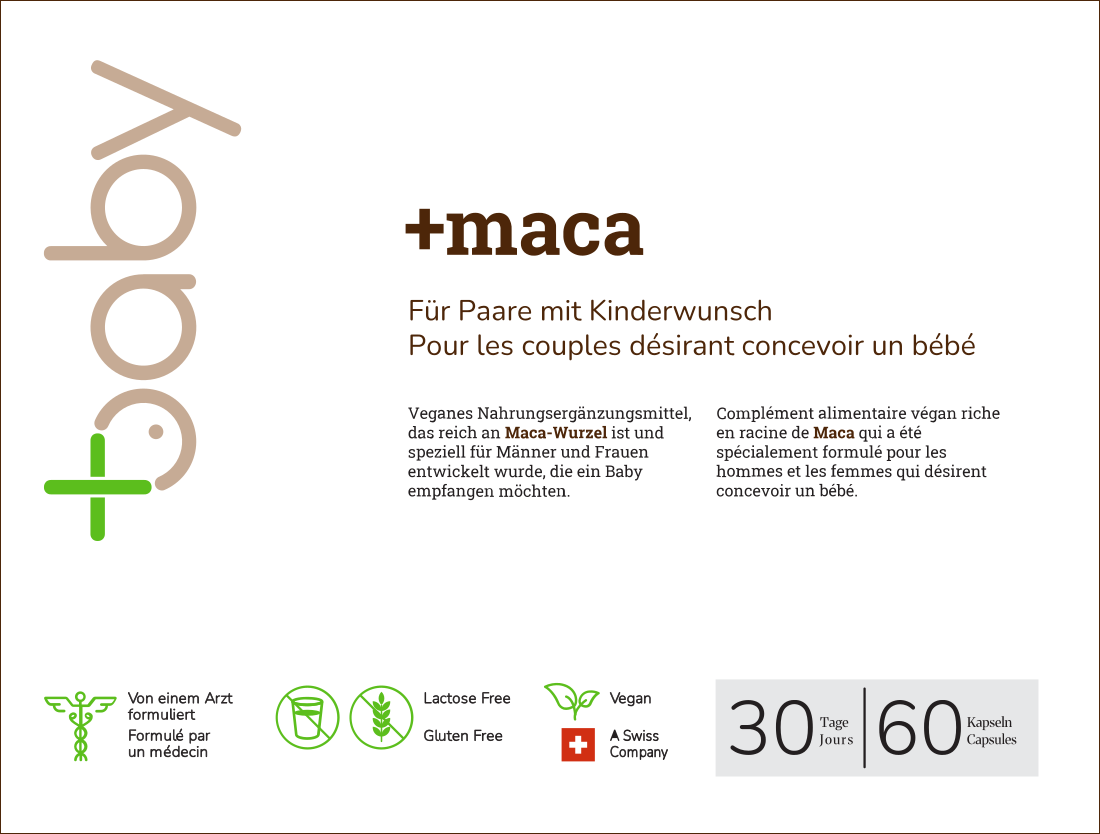
+maca for Libido and Fertility
All Plusbaby male fertility supplements are Swiss-developed and formulated based on evidence from independent peer-reviewed studies and meta-analyses. Published clinical investigations highlight the potential role of ingredients such as L-carnitine, zinc, coenzyme Q10 (recognized for supporting sperm quality), L-arginine, taurine, and maca in improving key fertility parameters, including sperm count, motility, and morphology. These nutrients are consistently identified in the scientific literature as among the best-researched supplements to increase sperm count, offering an evidence-based approach to natural male fertility support.
Plusbaby fertility supplements for men are formulated to the highest standards of purity: 100% natural, vegan, and entirely free from artificial colours, additives, preservatives, or any synthetic excipients. Great care has been taken in selecting suppliers to ensure that no fillers, anti-caking agents, flow agents (such as magnesium stearate or silicon dioxide), binders, coatings, colorants, or any other auxiliary substances are used to facilitate capsule production or enhance appearance. The products are rigorously allergen-free, containing no dairy, eggs, fish, shellfish, tree nuts, peanuts, soya, yeast, wheat, gluten, maize (corn), sodium, added sugar, or starch. Even the vitamin D3 is sustainably sourced from lichen (algae), providing a plant-based alternative that safely supports zinc absorption, healthy testosterone levels, and overall male fertility, fully compliant with Swiss quality standards.
The entire range of Plusbaby vitamins for male fertility and fertility capsules for men is developed and thoroughly reviewed under the guidance of a Swiss physician holding the FMH specialist title in gynecology and obstetrics. This medical oversight by a doctor specialized in reproductive health ensures our formulations align with trusted international standards—similar to those reflected in established products such as Conceive Plus men’s fertility support, FertilAid for men, Proxeed Plus for sperm motility, and Wellman Conception fertility, while upholding the renowned precision, quality, and evidence-based expectations of Swiss healthcare.
Plusbaby prioritises highly bioavailable nutrients to maximise absorption and minimise potential side effects. Our Fertility Food Supplements for Men, developed in Switzerland, feature premium, patented forms such as Quatrefolic®, the glucosamine salt of (6S) -5-methyltetrahydrofolate (5-MTHF); recognized for its superior bioavailability compared to synthetic folic acid. This active folate form bypasses metabolic limitations (e.g., MTHFR polymorphisms), ensuring optimal cellular utilization to support DNA synthesis, methylation, and spermatogenesis.
Complementing this are potent antioxidants, including vitamin C and vitamin E for male infertility, which clinical evidence suggests help protect spermatozoa from oxidative stress, thereby serving as effective sperm quality supplements. This carefully selected, high-quality formulation promotes improved sperm parameters and supports long-term reproductive health.
In addition to cutting-edge male fertility vitamins and male fertility booster pills, Plusbaby accompanies couples throughout their complete fertility journey. The portfolio includes specialised Prenatal vitamins for women and natural ingredients like Maca root, recognised for its male fertility benefits in men as well as potential fertility-enhancing properties in women. Couples seeking broader holistic care often incorporate anti-nausea tea during early pregnancy or breastfeeding tea and lactation support tea to promote healthy lactation; Plusbaby remains dedicated to providing trusted, science-backed nutritional products for reproductive wellness in Switzerland.
Start optimising your fertility today with Plusbaby, enjoy free 24-hour delivery throughout Switzerland on our advanced Fertility Food Supplements for Men. Designed for convenience and efficacy, these male fertility vitamins are best taken with meals (the proven best time to take fertility vitamins for men) to maximise absorption of essential nutrients and deliver meaningful support for sperm parameters and natural conception.

In addition to aging, research carried out by the Institut Marquès has highlighted a global decline in sperm quality, particularly in industrialised countries such as Switzerland. Environmental factors, endocrine disruptors, stress, and modern lifestyles are believed to contribute to reduced sperm concentration and motility, increasing interest in fertility supplements for men and sperm health supplements.
Targeted nutrition is essential for supporting male reproductive health and overcoming challenges with male infertility. Leading male fertility vitamins and fertility capsules for men include clinically studied nutrients like vitamin C and vitamin E for male infertility, zinc and vitamin D to maintain optimal testosterone fertility, and proven blends such as carnitine, zinc, CoQ10 for sperm quality. Regular use of these high-quality supplements can significantly help improve sperm quality, boost sperm motility and concentration, and increase natural conception chances. These evidence-based formulations are suitable both for couples aiming for natural conception and for men in couples pursuing IVF/FIV or other fertility treatments, providing targeted nutritional support that complements medically assisted reproduction cycles as well as everyday reproductive wellness.
Fertility Food Supplements for Men are specialised dietary supplements designed to support sperm quality, hormonal balance, and reproductive health. In Switzerland, growing scientific evidence and lifestyle factors have increased the importance of targeted nutritional support for male fertility.
01 Coenzyme Q10 (CoQ10) – Supporting Sperm Energy and Quality
02Essential Vitamins and Minerals for Optimal Sperm Health
03Arginine and Circulation-Based Fertility Support
04Folate (5-MTHF) and Sperm Development
Folate, particularly in its active form 5-MTHF (5-methyltetrahydrofolate), plays a vital role in DNA synthesis and cell repair, both essential for healthy sperm development. Unlike folic acid, 5-MTHF can be used directly by the body, making it especially effective for men with reduced folate metabolism. It is therefore a key component of high-quality Fertility Food Supplements for Men used in Switzerland.
Insufficient antioxidants such as vitamin C and vitamin E for male infertility increase oxidative stress, which can damage sperm DNA. This fragmentation lowers the chances of successful fertilisation and may contribute to pregnancy complications. Antioxidant-rich natural fertility supplements for men help protect sperm cells from free radical damage.
Deficiencies in nutrients such as vitamin D can disrupt testosterone production and spermatogenesis. This has led to increased use of zinc, vitamin D, testosterone fertility support, alongside complementary options like Maca Supplements, where understanding Red vs Black Maca can help tailor support for hormonal balance and male vitality.

Regular exercise: Regular, moderate exercise supports circulation, testosterone levels, and sperm health. Activities such as walking, swimming, cycling, or football are ideal. Avoid excessive training, as it may negatively affect hormonal balance.
During conception trials, a man’s nutritional needs increase significantly. Key nutrients such as zinc, selenium, omega-3 fatty acids, and vitamins for male fertility, especially vitamin C and vitamin E for male infertility, play a critical role in supporting sperm production, motility, and DNA integrity. Zinc stands out for its critical role in testosterone balance and sperm quality improvement, positioning it as a highly valued mineral in advanced sperm health supplements. Scientific studies confirm its influence on sperm development and reproductive function, explaining its frequent use in clinically supported male fertility supplements and fertility capsules for men trusted in Switzerland.

Scientific research shows that targeted fertility supplements for men can positively influence sperm quality, hormone balance, and reproductive outcomes. Clinical studies and peer-reviewed publications now form the foundation of evidence-based Fertility Food Supplements for Men used in Switzerland.
Effect on sperm quality: Coenzyme Q10 is one of the most extensively researched ingredients in male fertility vitamins. Clinical evidence from a systematic review and meta-analysis of randomised controlled trials published in a peer-reviewed medical journal demonstrates that CoQ10 supplementation significantly improves sperm count, motility, and morphology in infertile men. This publication provides strong support for the use of CoQ10 in sperm health supplements aimed at improving male fertility outcomes.
These findings help answer “do male fertility supplements work?”—they can, especially when used consistently as Fertility Food Supplements for Men in Switzerland, alongside a healthy lifestyle. The supporting source is available here in the referenced medical literature. In practice, PlusBaby formulations reflect this evidence: +fertimen focuses on sperm health nutrients, while +Maca supports vitality, and +fertiwomen Inositol provides complementary support for couples.
Arginine: Arginine supports nitric oxide production, which improves blood circulation to the reproductive organs. Evidence from human clinical studies published in reproductive health journals shows that improved circulation is associated with better sperm quality and erectile function. These findings support arginine’s inclusion in fertility capsules for men and male fertility booster pills.
Carnitine: Carnitine plays a key role in sperm energy metabolism and mitochondrial function. Results from clinical trials evaluating carnitine supplementation in infertile men demonstrate significant improvements in sperm motility and vitality. This research explains its widespread use in natural fertility supplements for men designed to improve sperm performance.
Folate is essential for DNA synthesis and cell repair, both of which are critical for healthy sperm development. A well-cited scientific publication comparing 5-MTHF with folic acid explains why the active form (5-MTHF) is more effective, particularly in men with reduced folate metabolism. This study supports the inclusion of 5-MTHF in high-quality Fertility Food Supplements for Men.